About
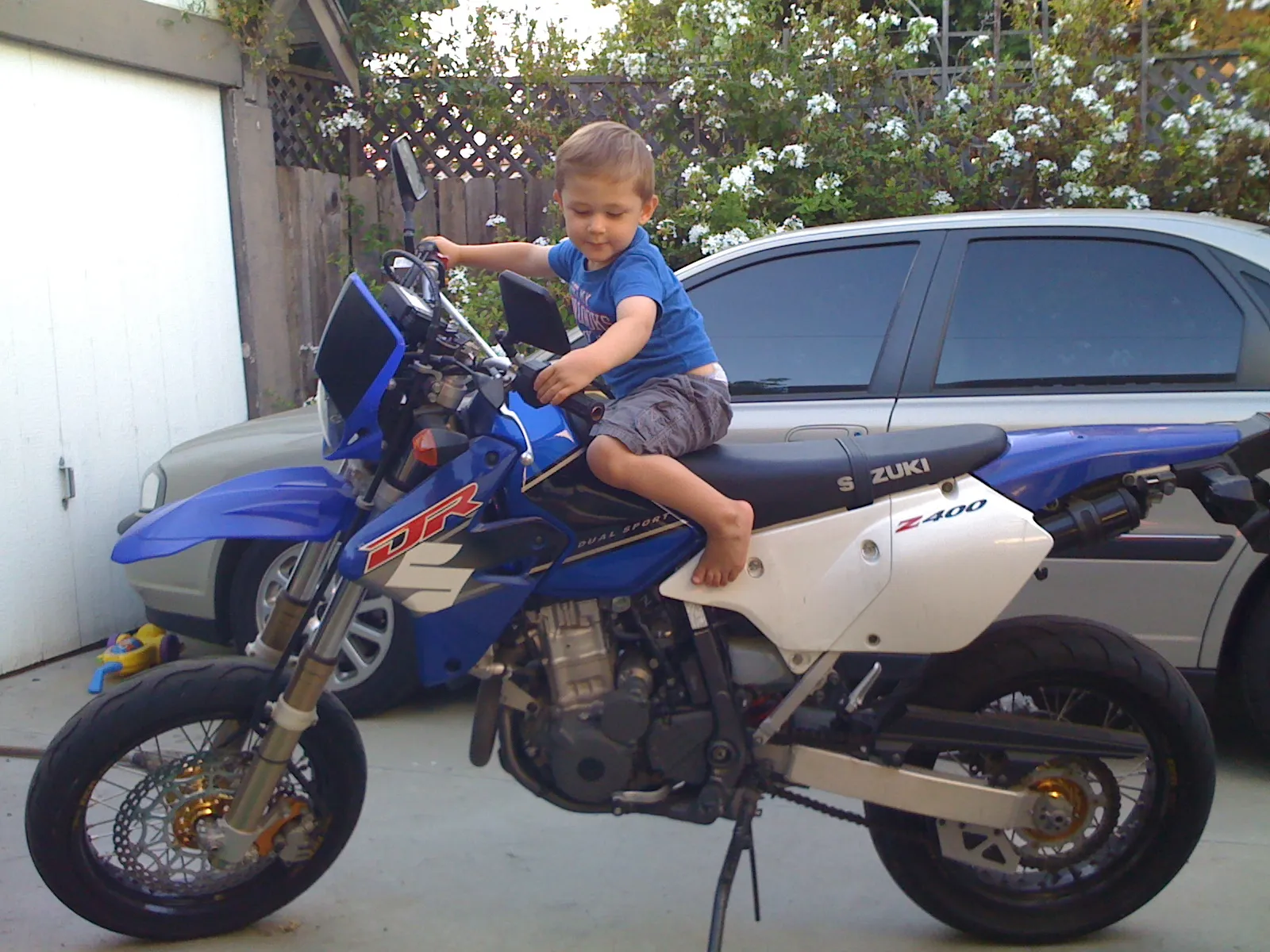
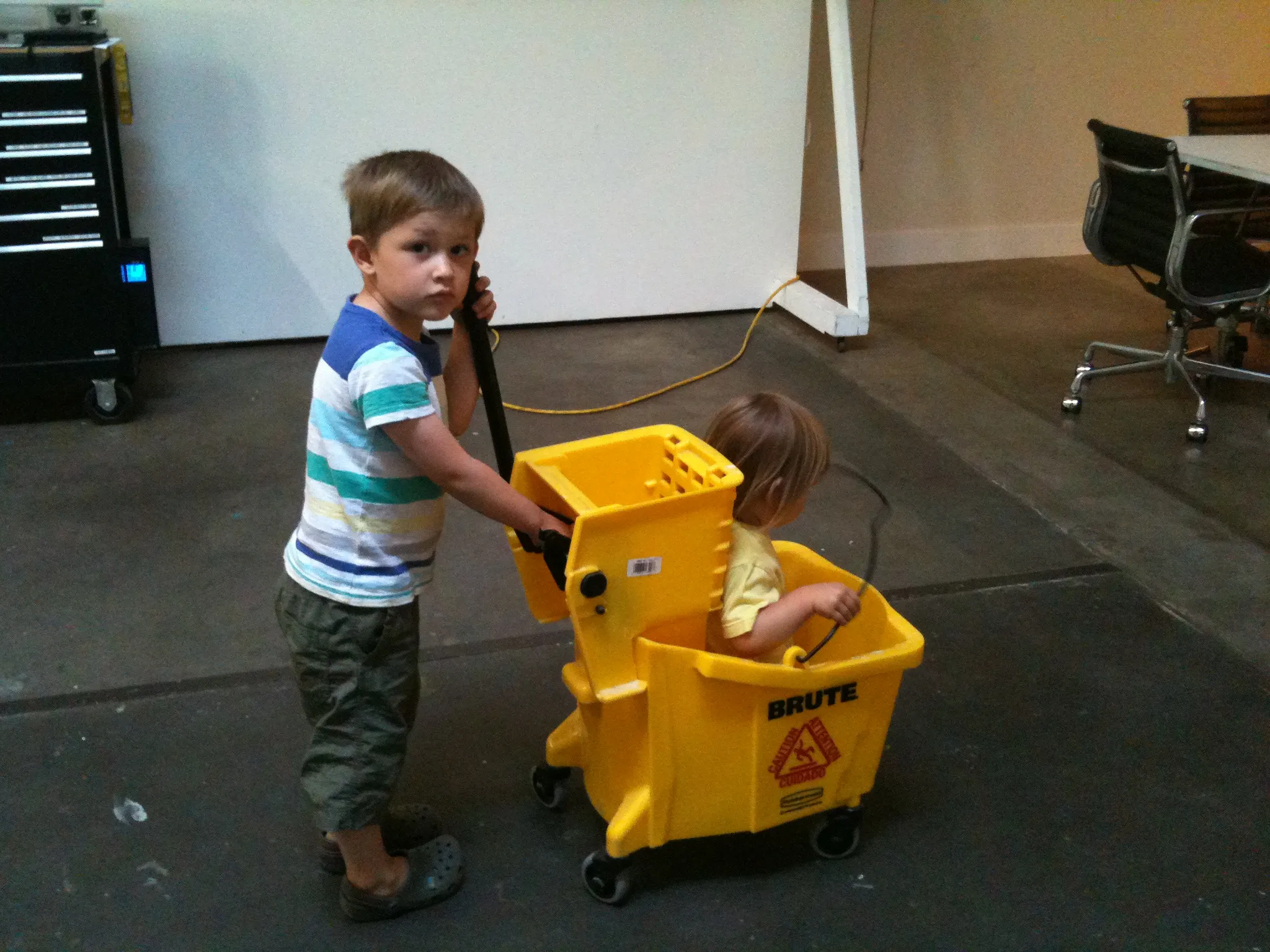
Hi, I'm Oliver. I've been building things since I was a kid—Lego contraptions, air cannons, and unnecessarily complex costumes. That curiosity to make has grown into a passion for product design. I'm currently sharpening that instinct at the Iovine and Young Academy at USC, an interdisciplinary program founded by Jimmy Iovine and Dr. Dre that fuses the disciplines of design, engineering, and business.
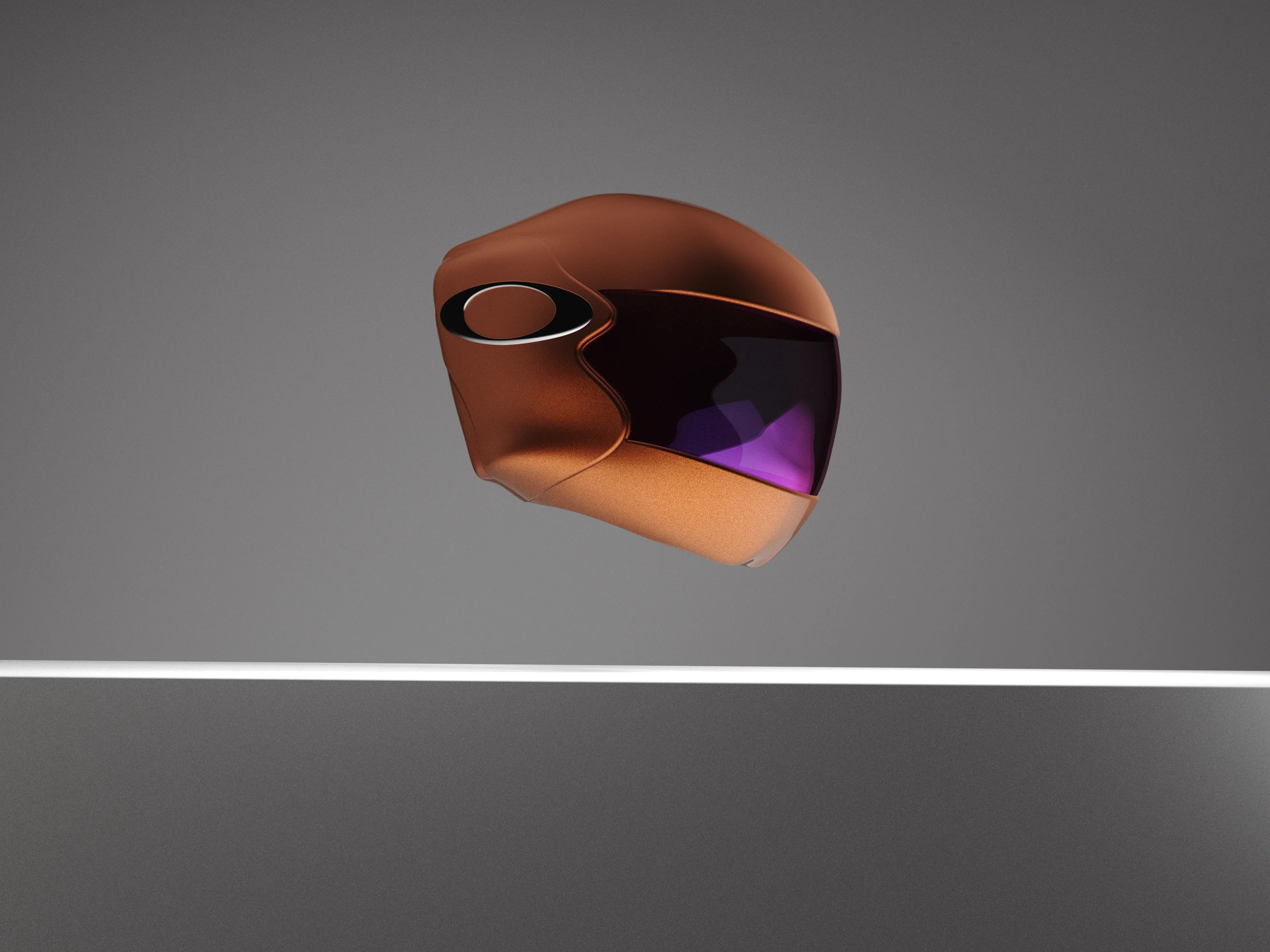
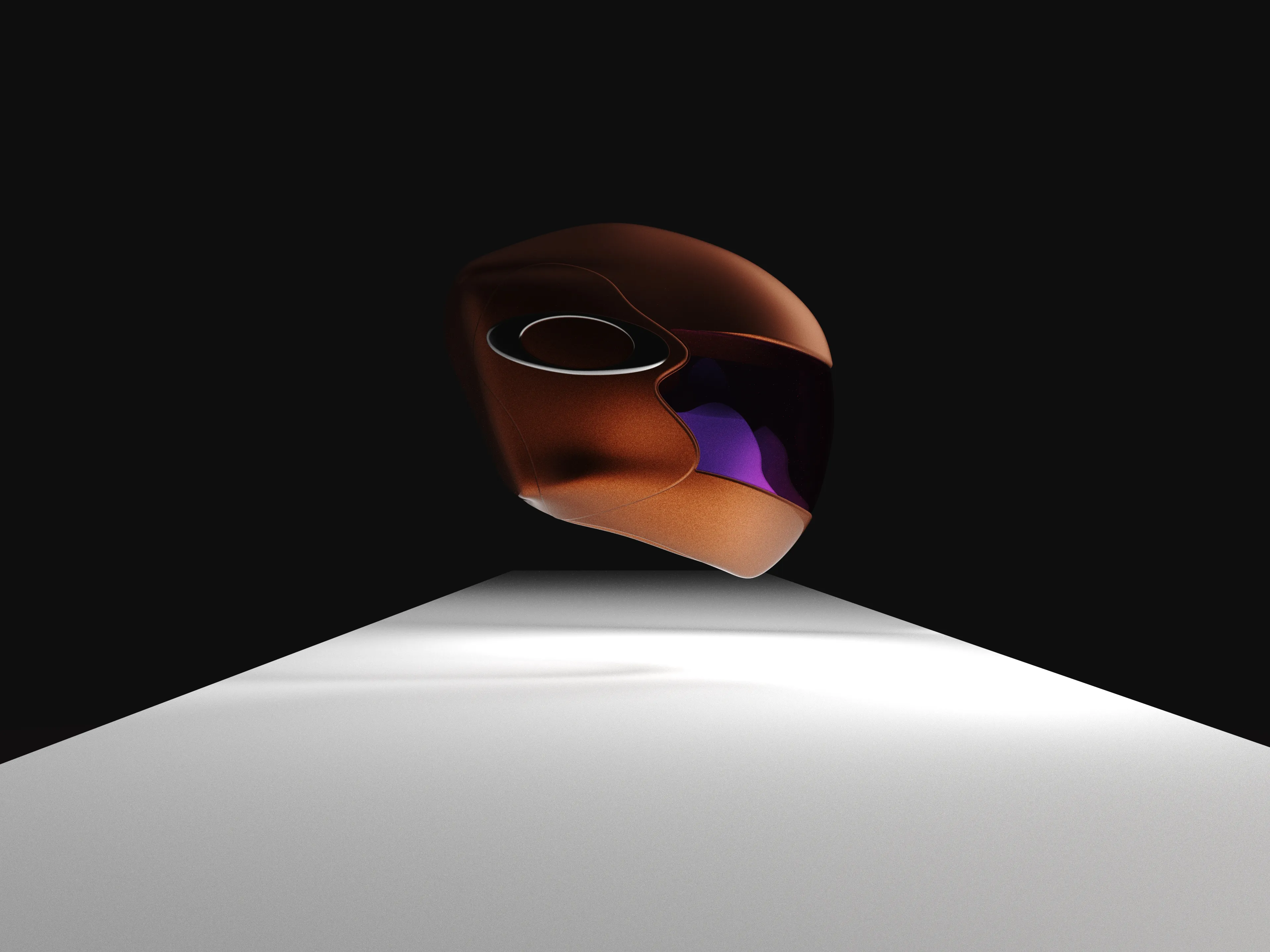
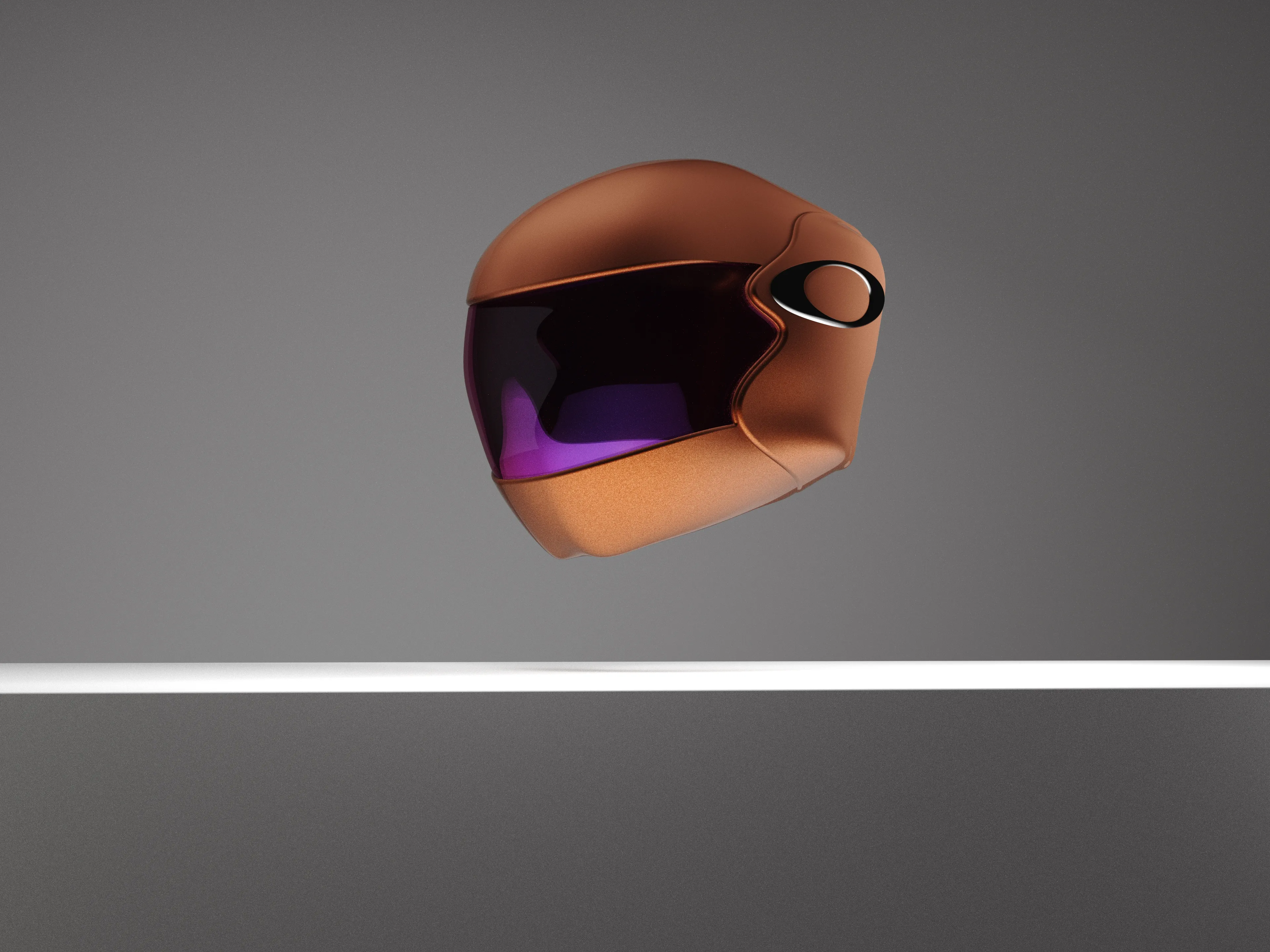
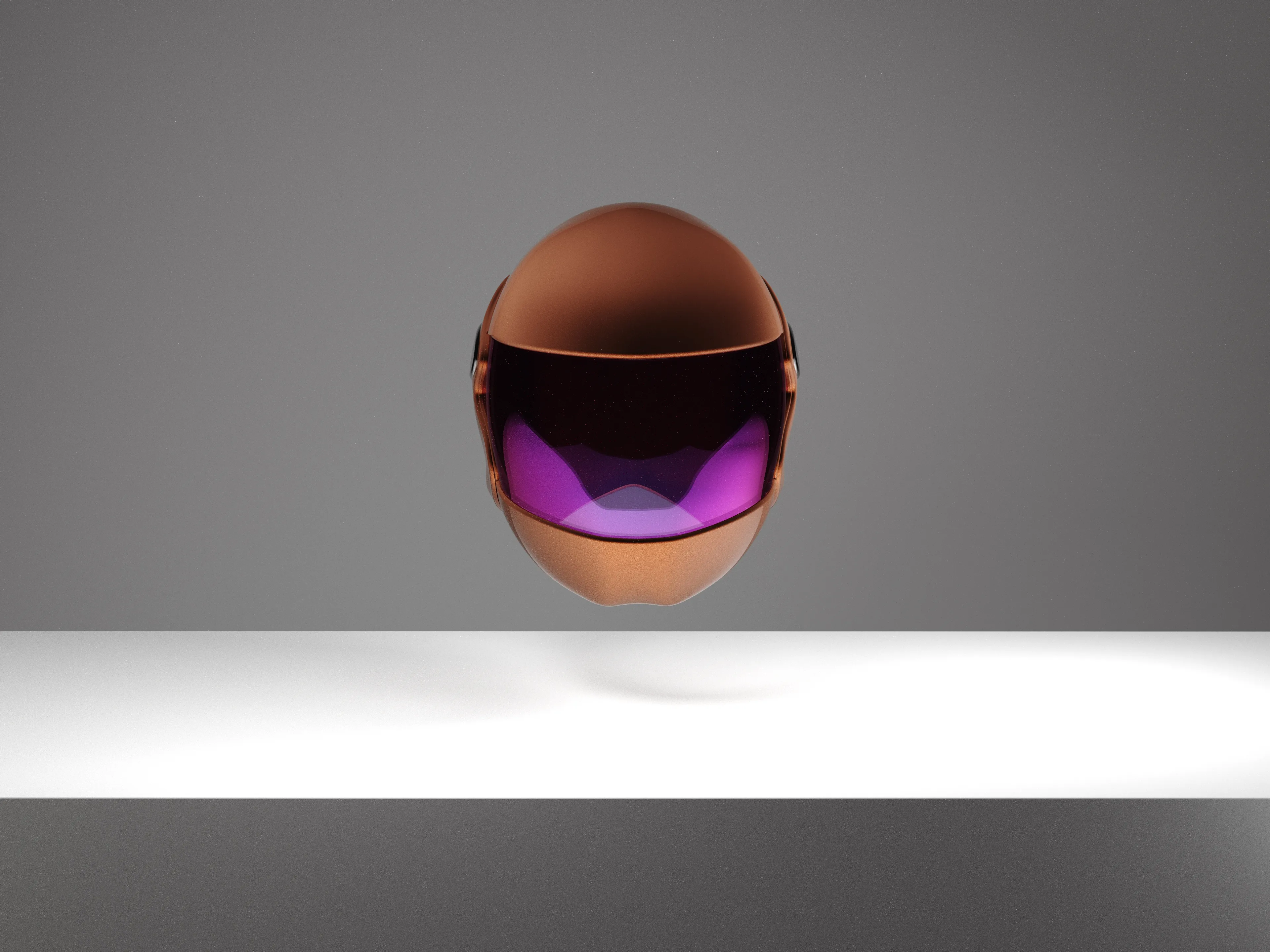
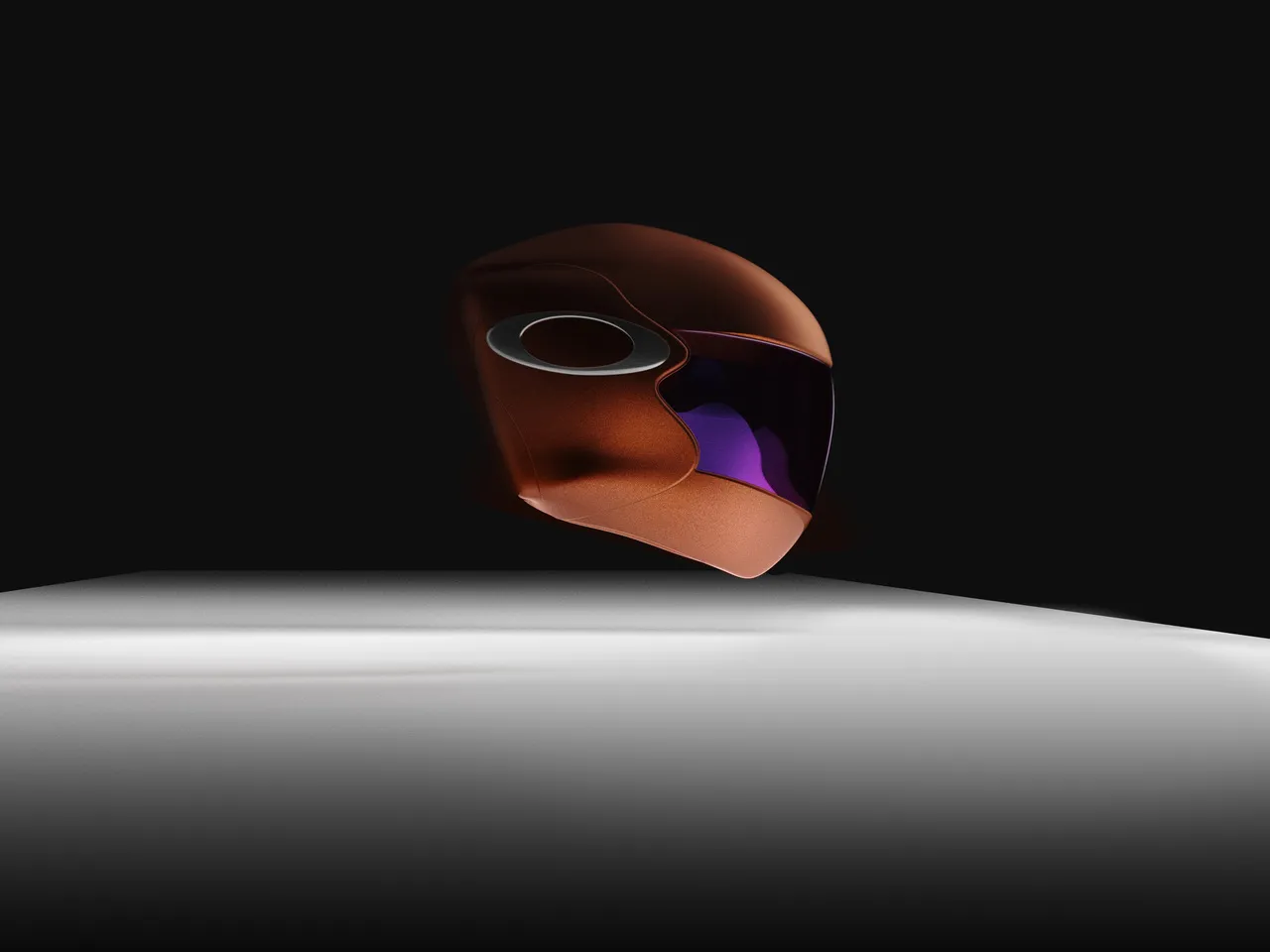
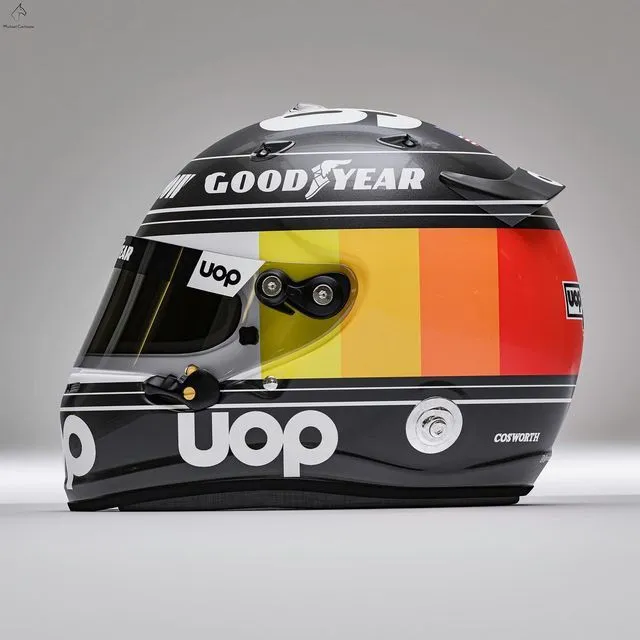
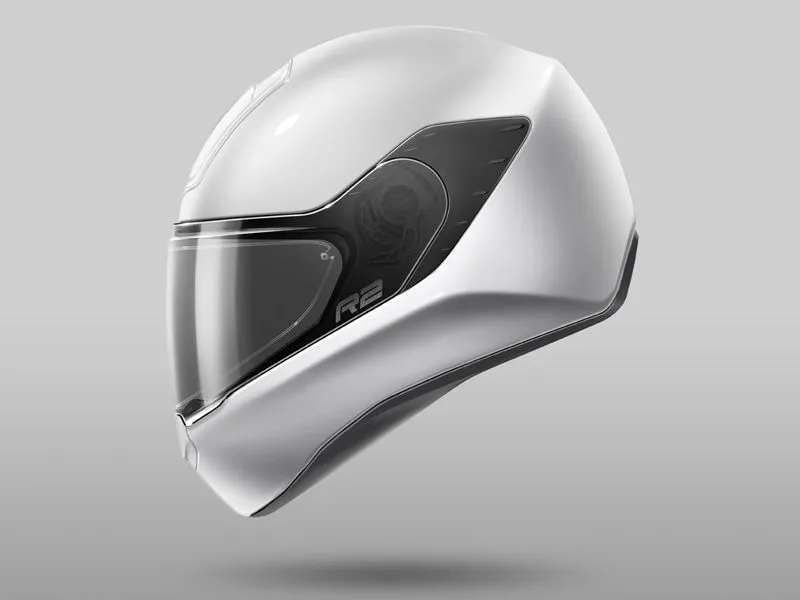
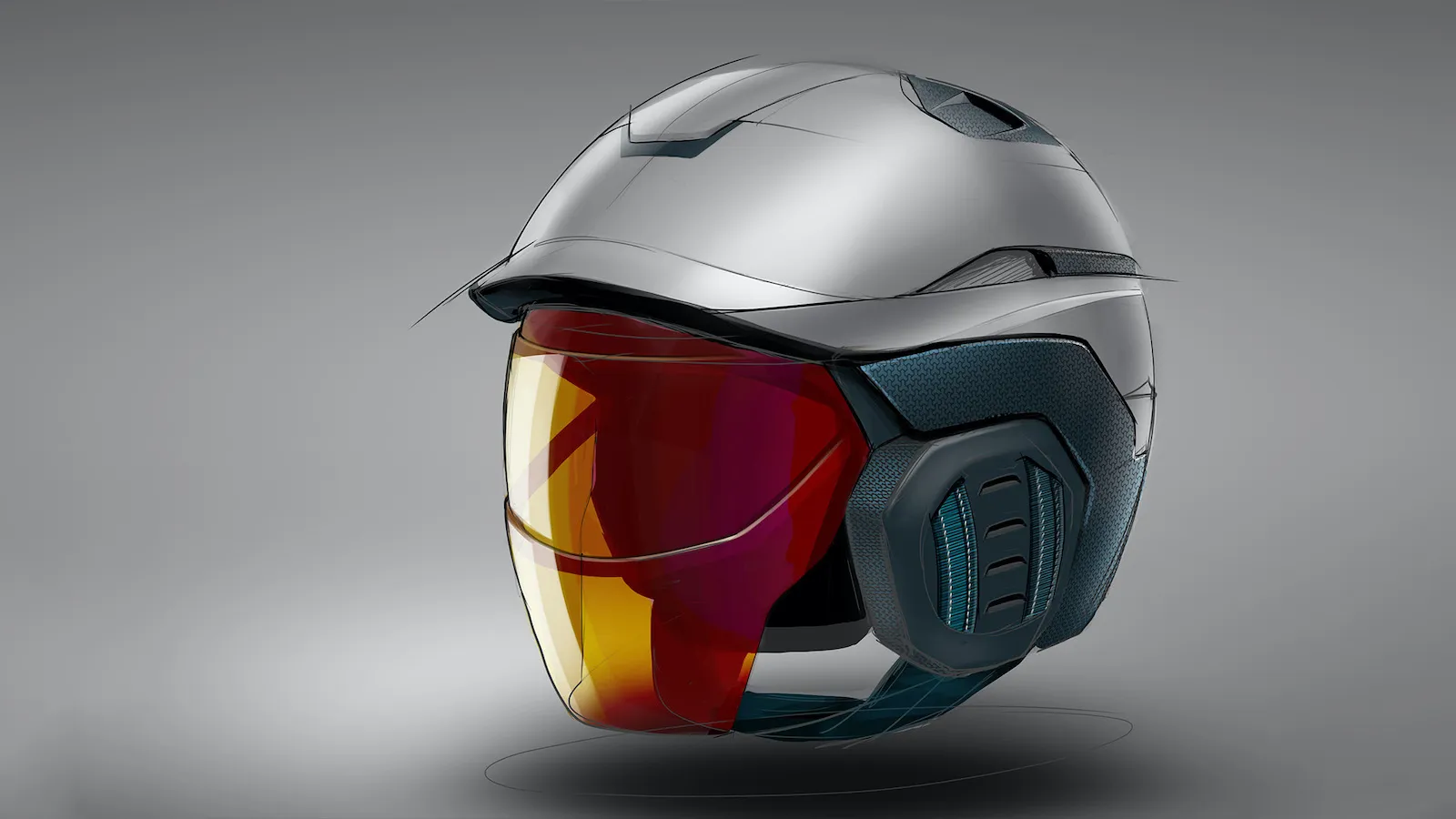
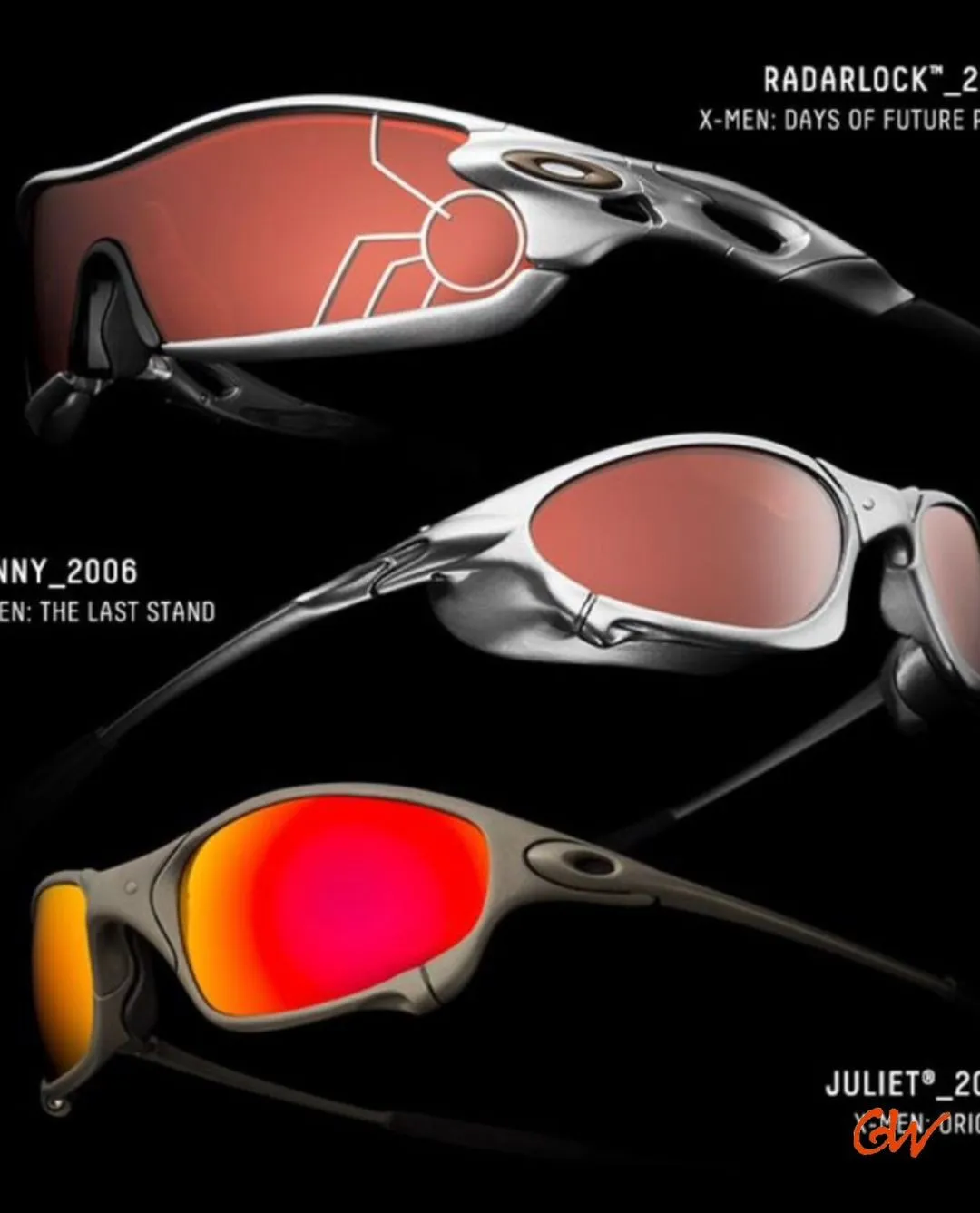
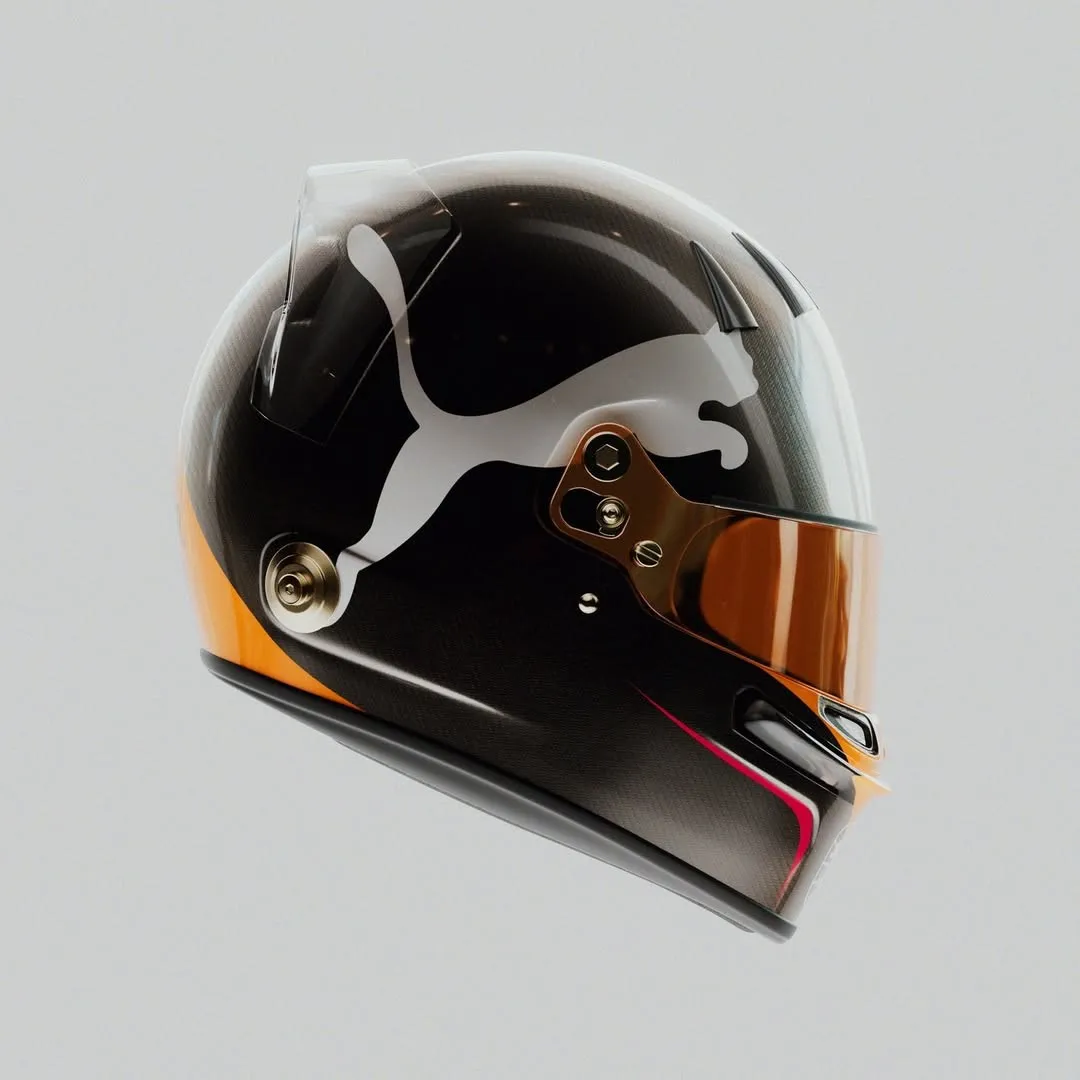
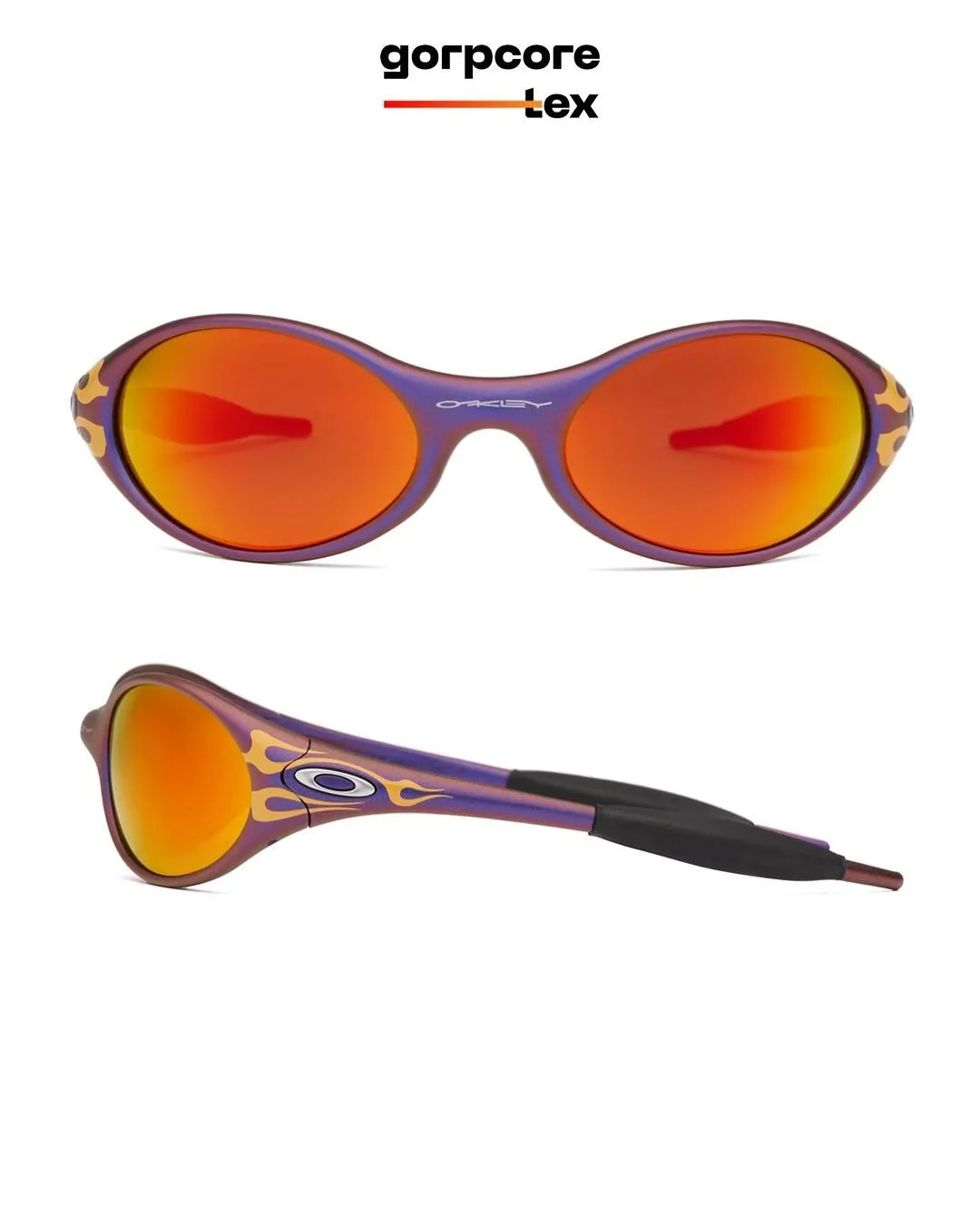
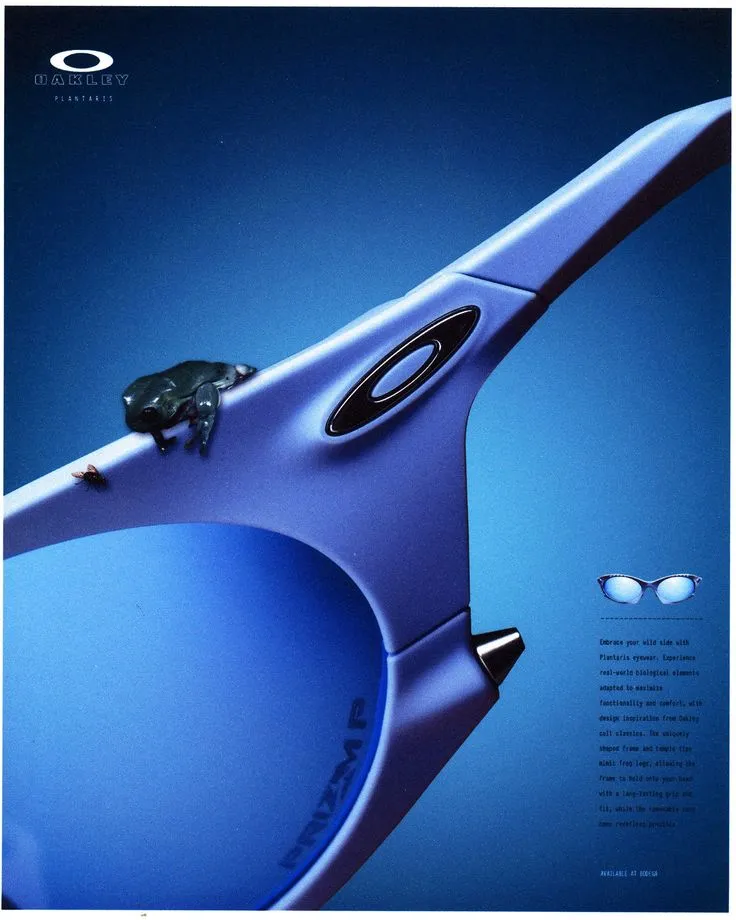
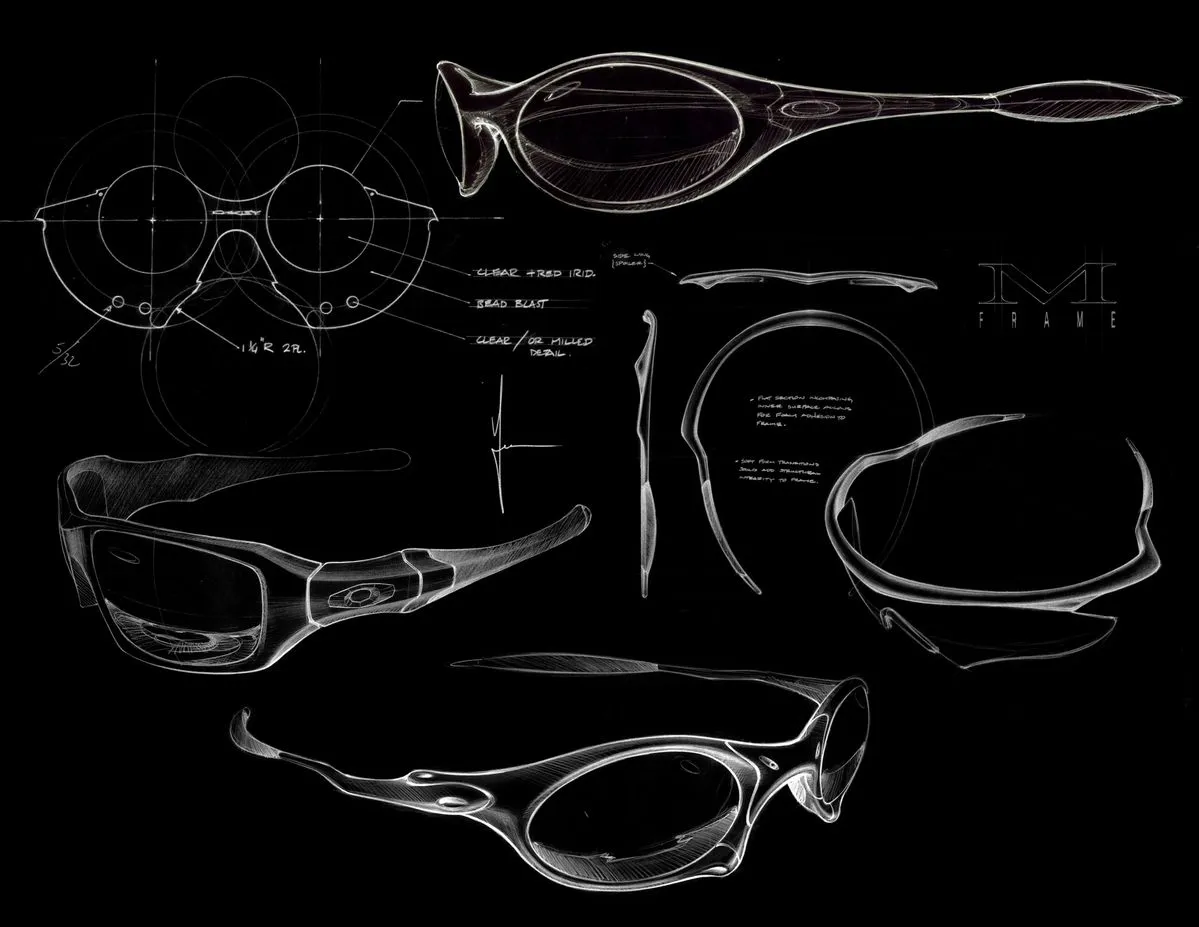
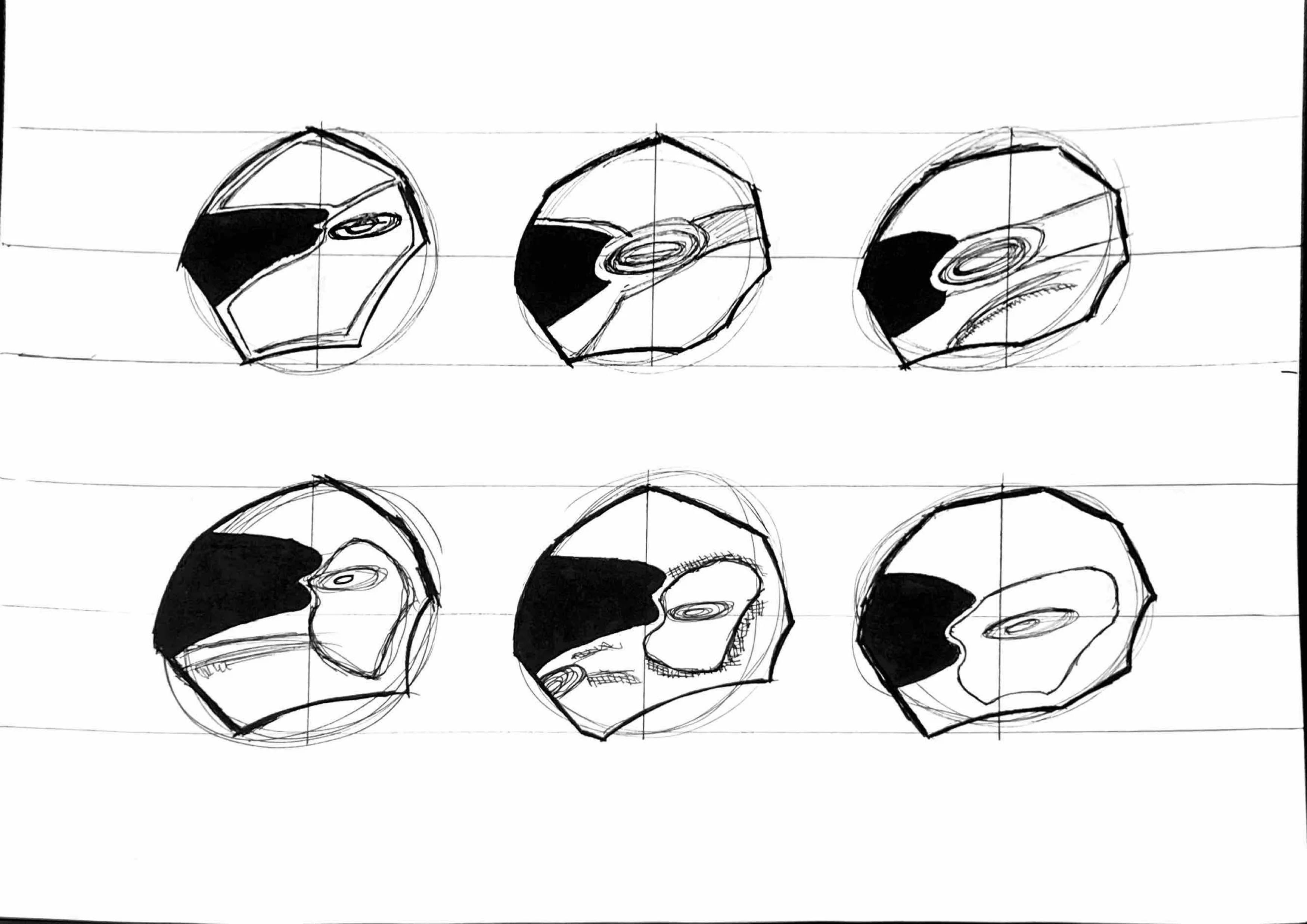
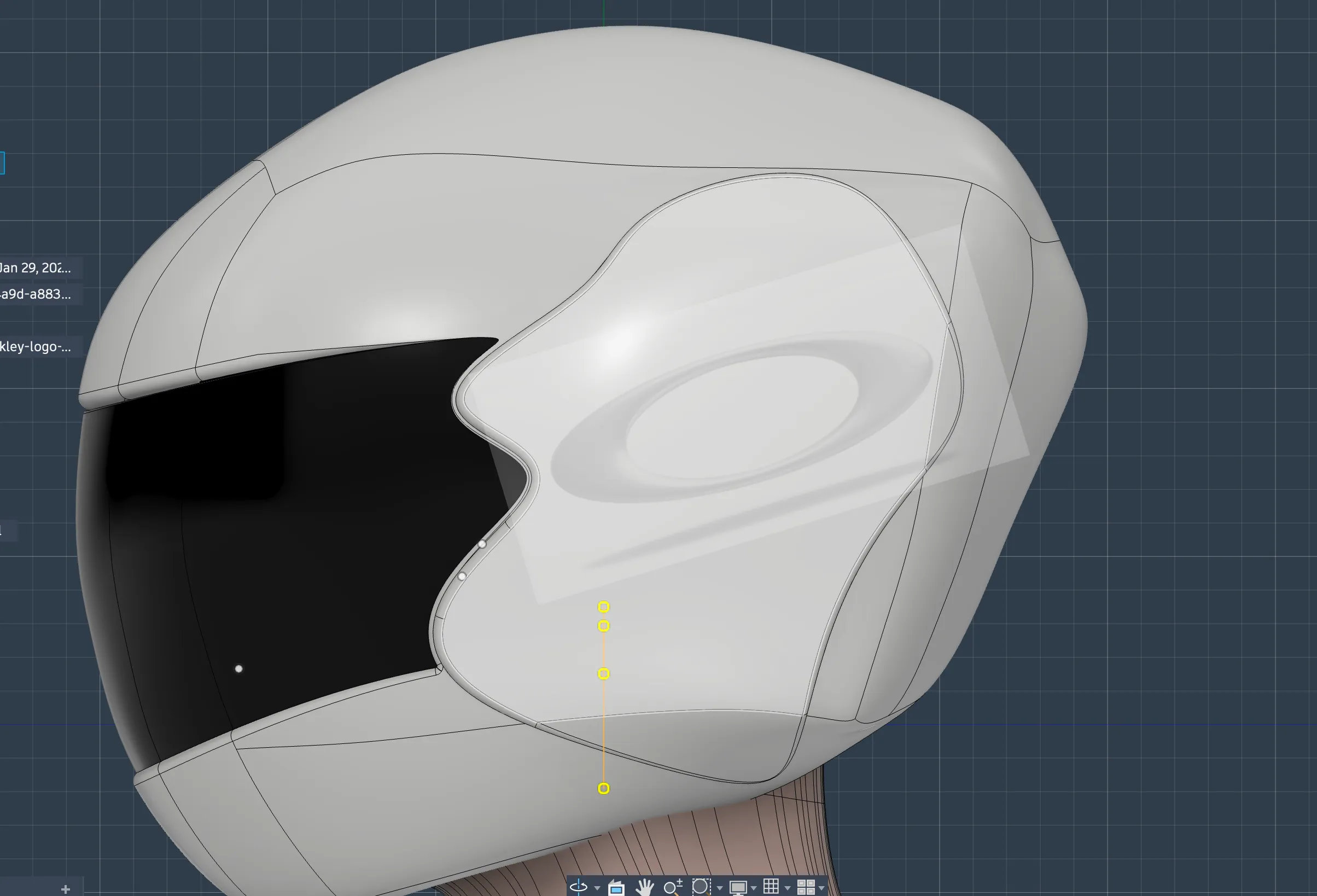
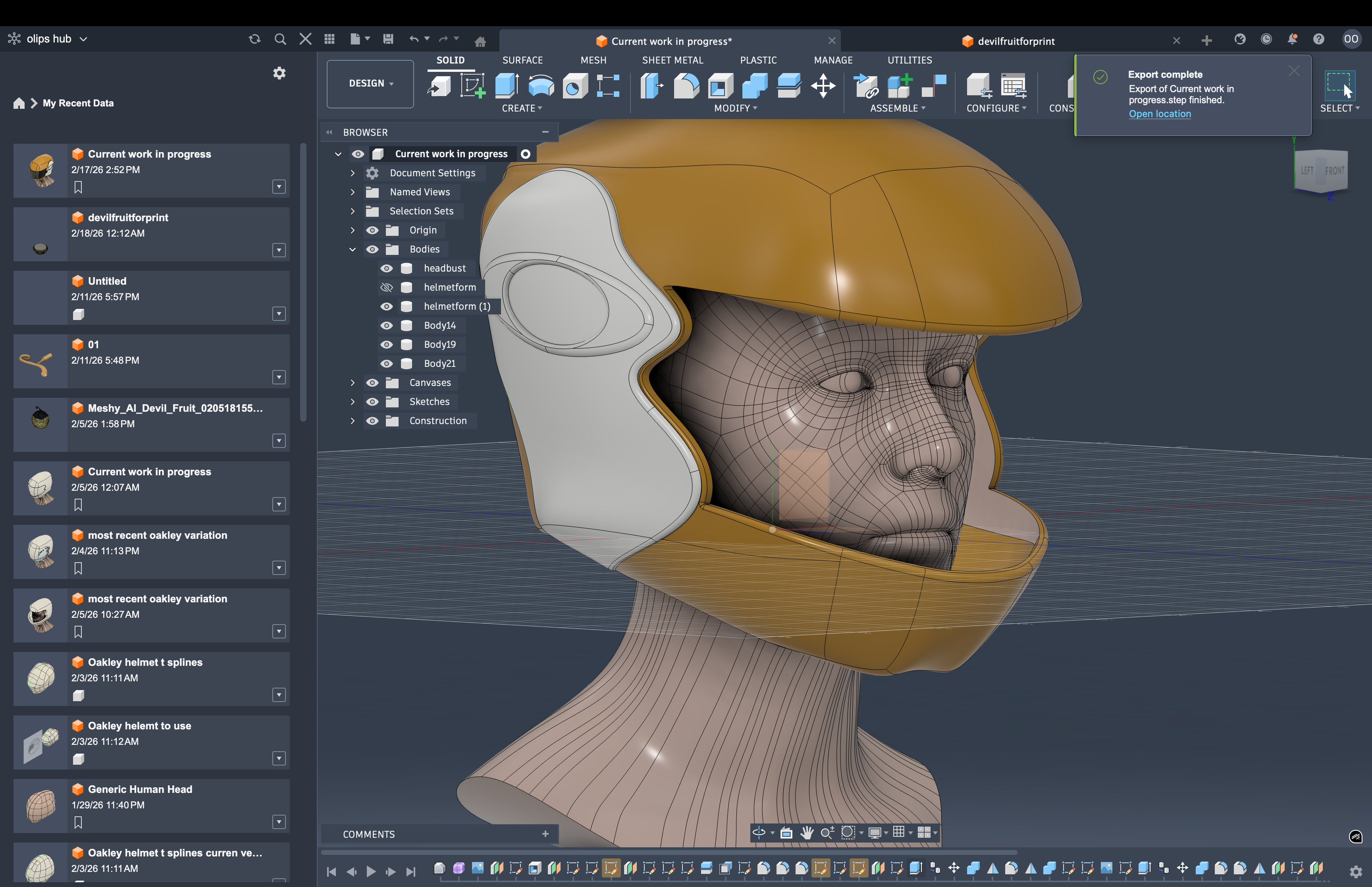
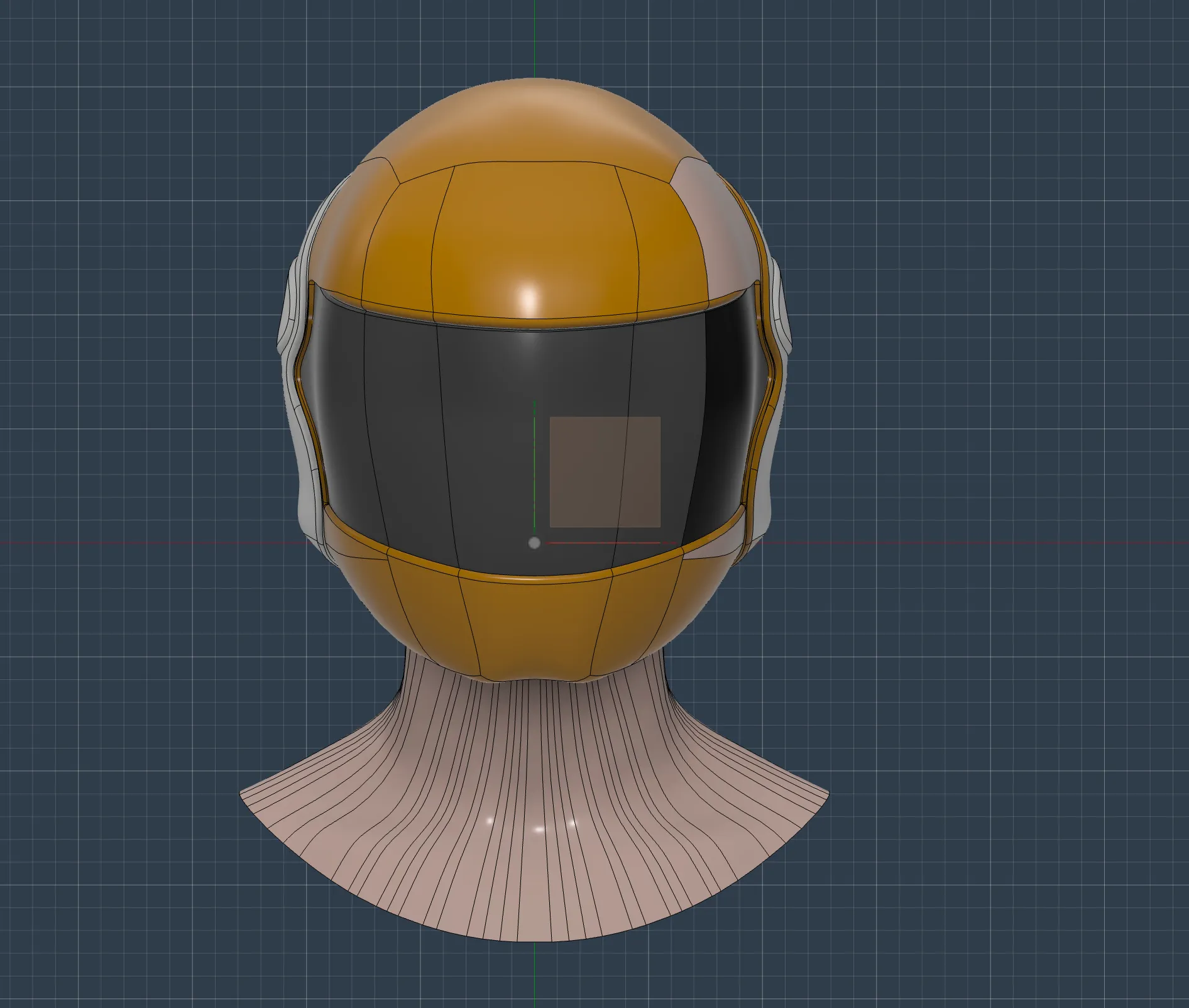
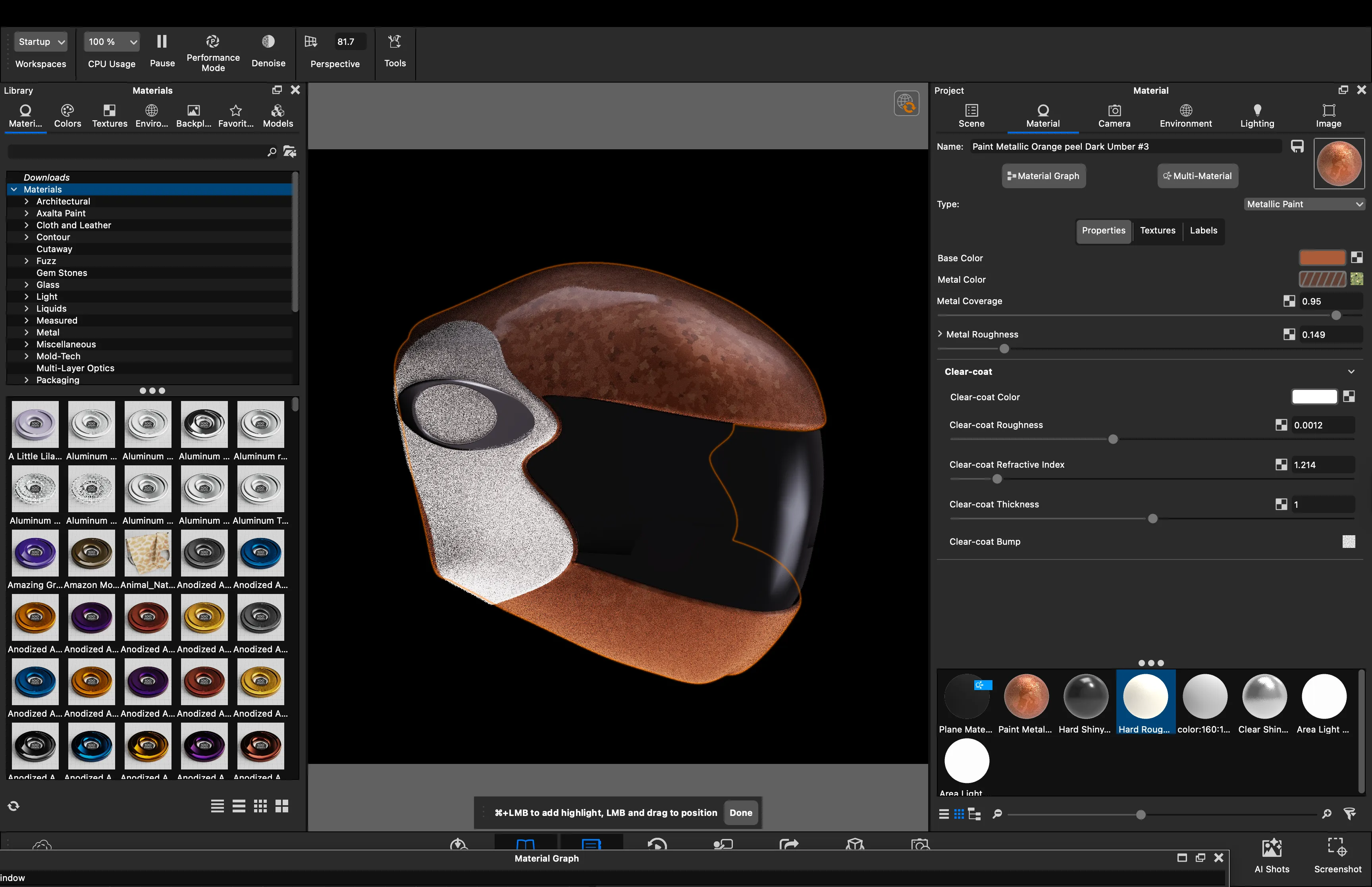
Inspired by the organic, alien-like forms, complex geometries, and unmistakable silhouettes that defined Oakley's designs in the late 1990s and early 2000s, I set out to challenge myself by working within such a bold and iconic design language. This project explores a speculative scenario: what if Oakley expanded into the world of motorsport, translating the brand's distinctive eyewear aesthetics and performance-driven ethos into racing equipment and design.


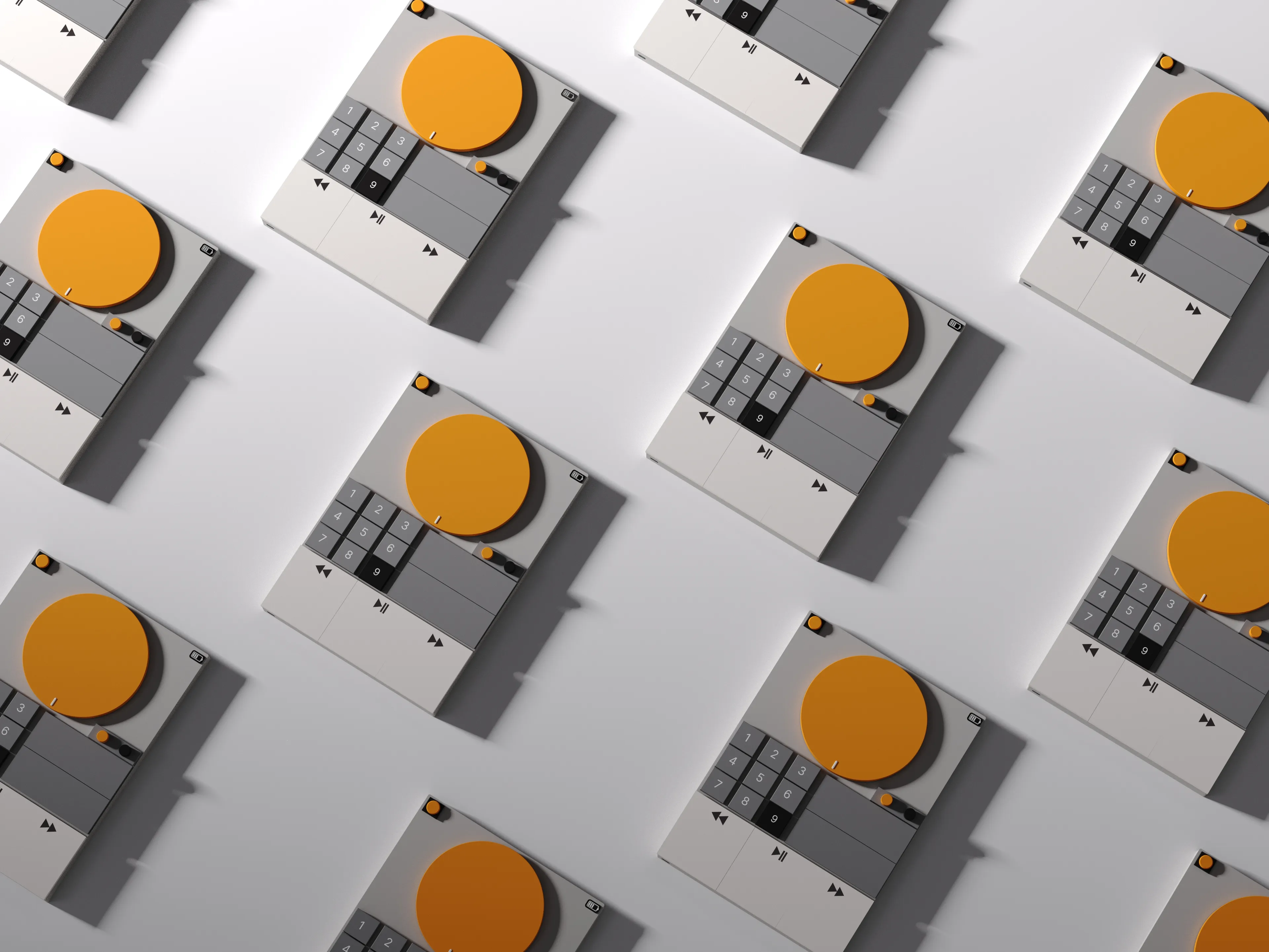
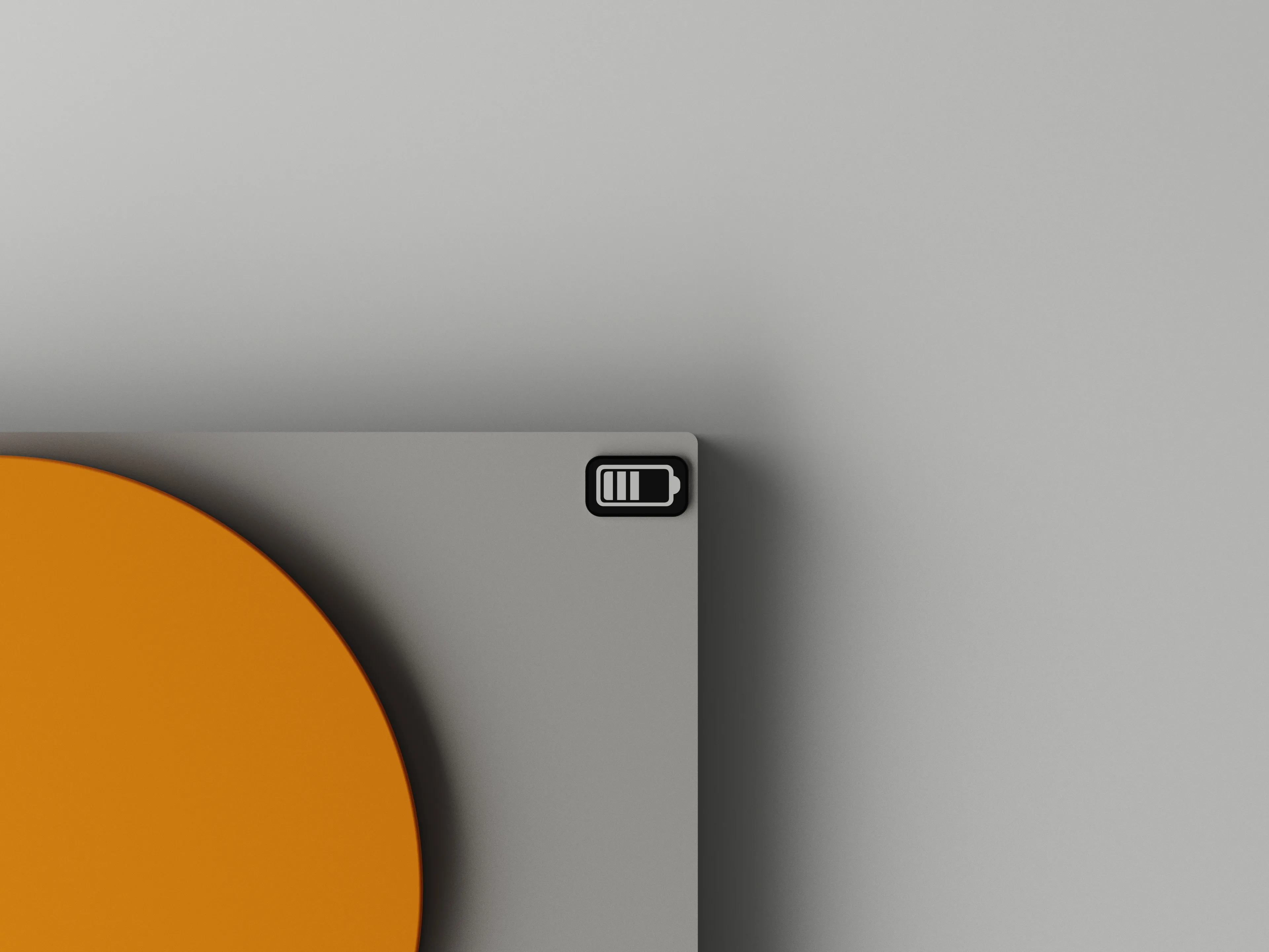
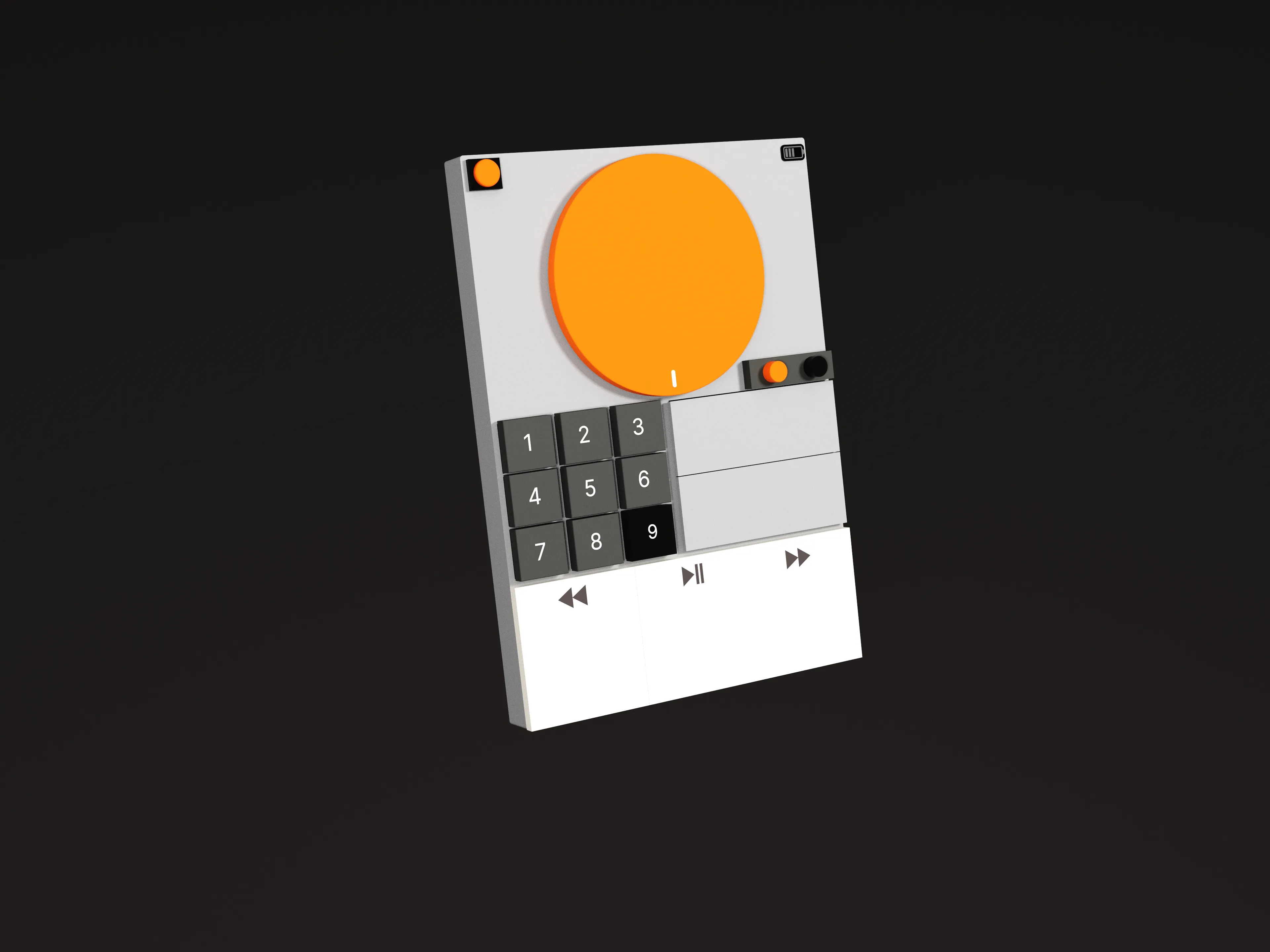
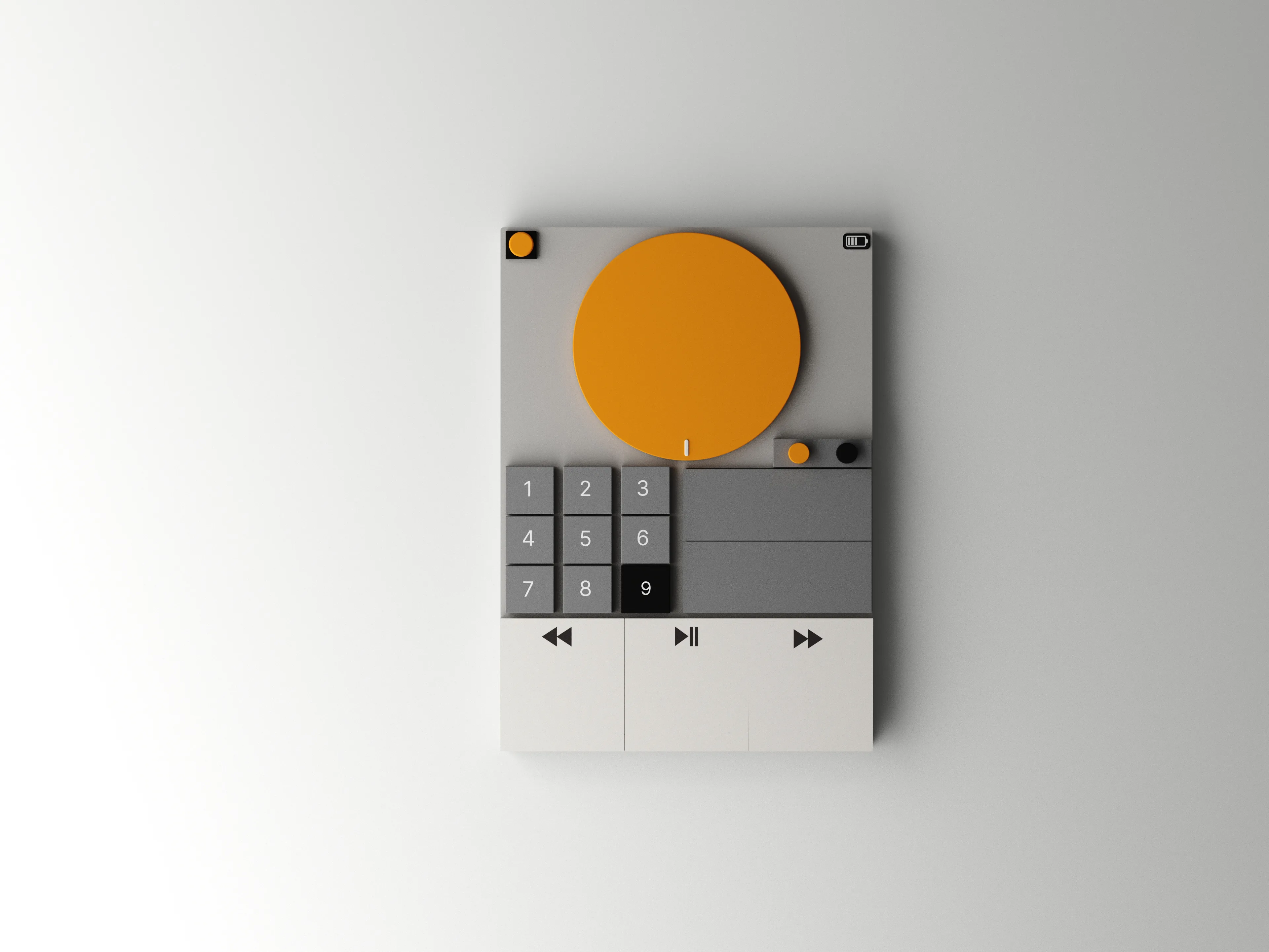
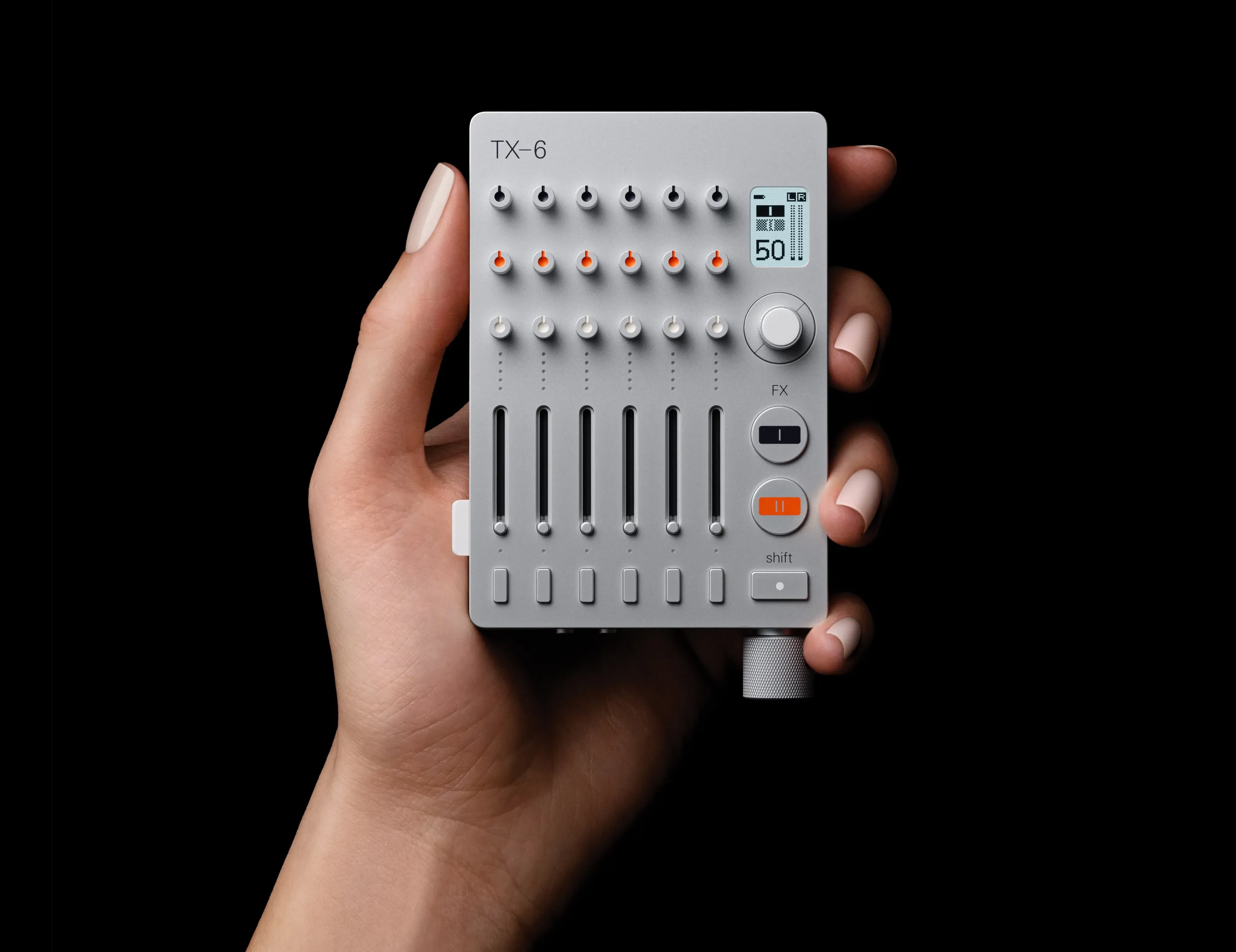
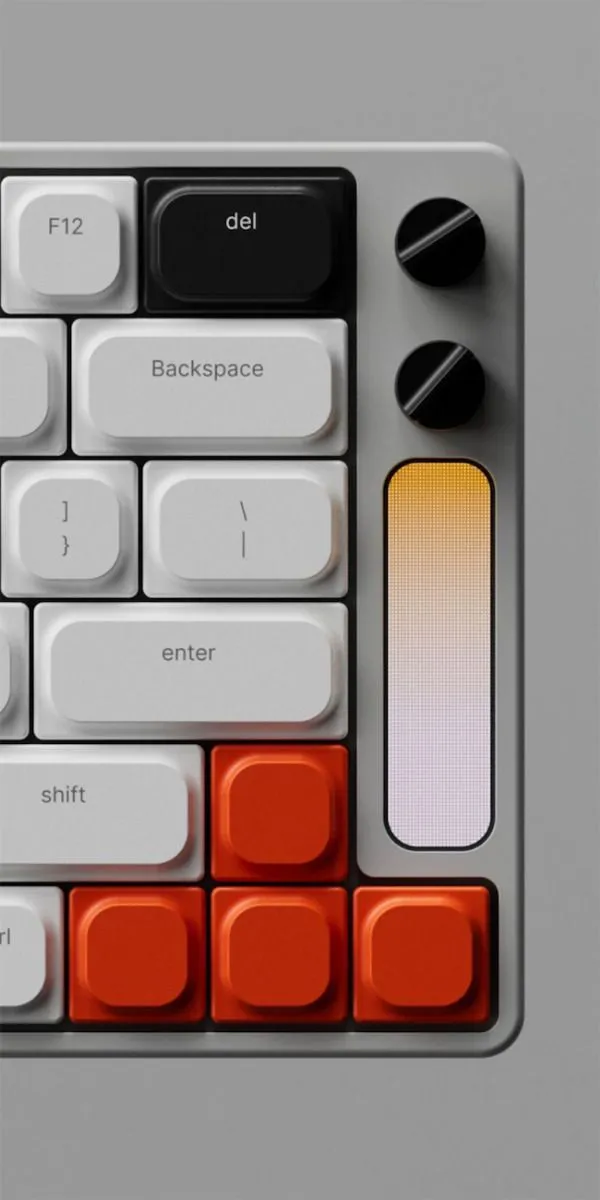
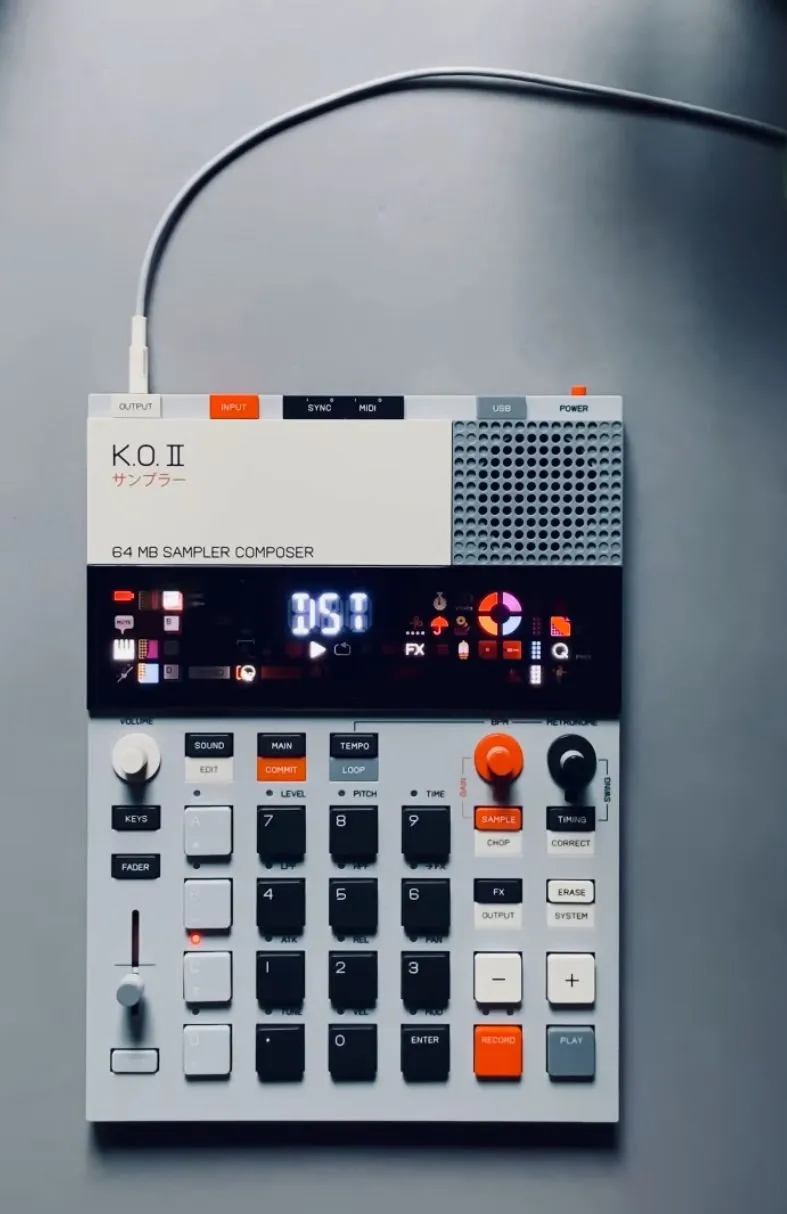
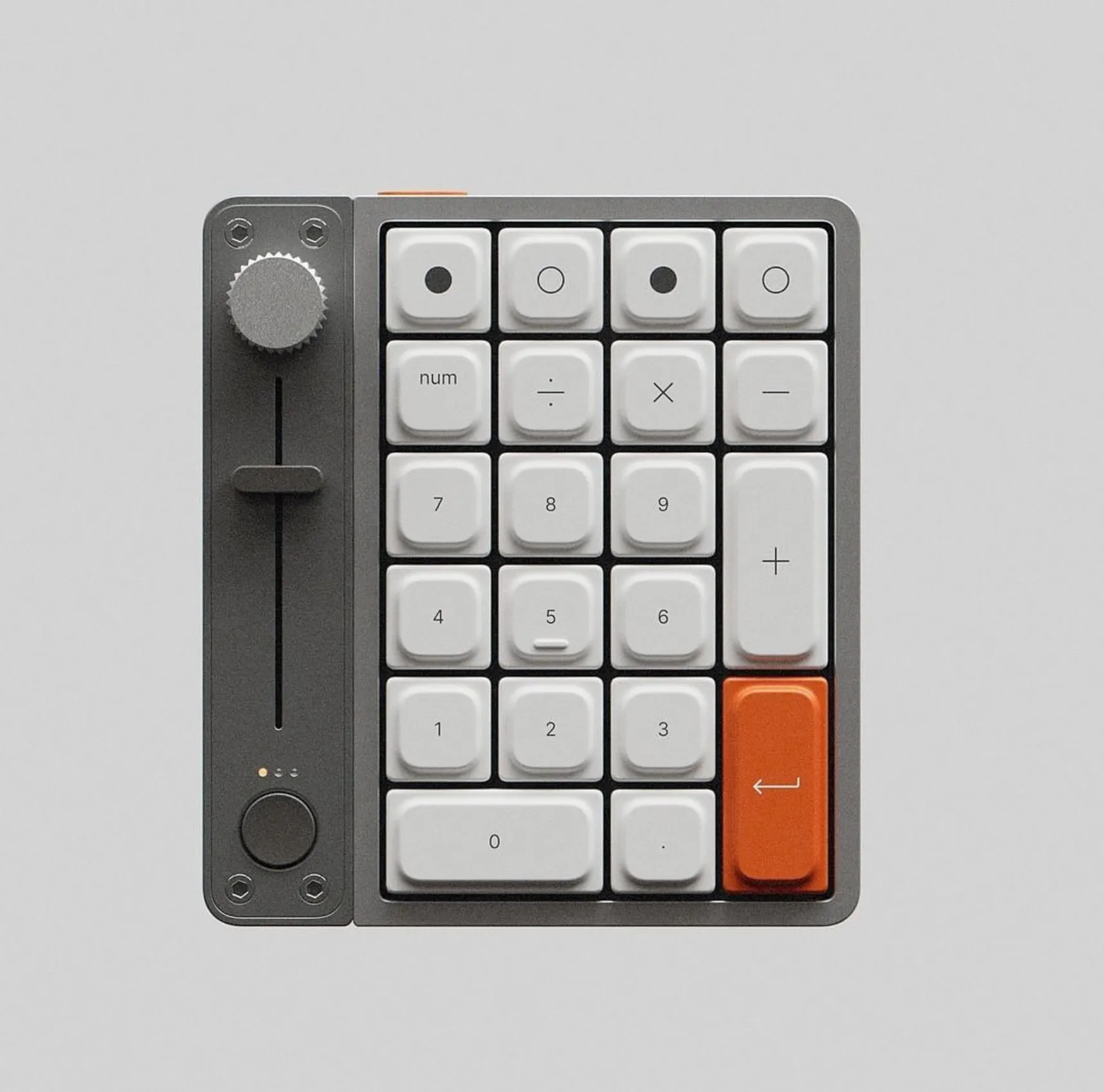
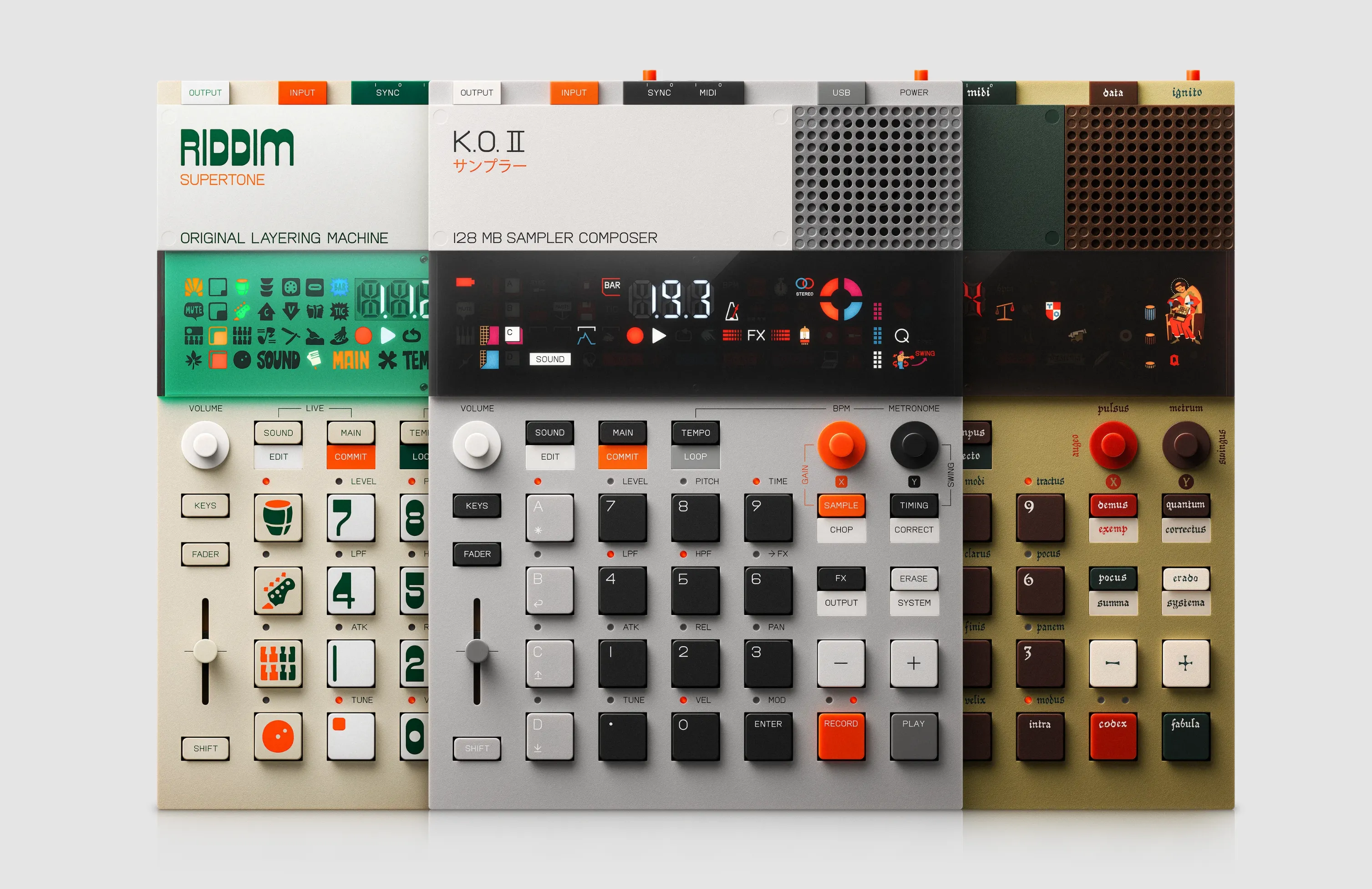
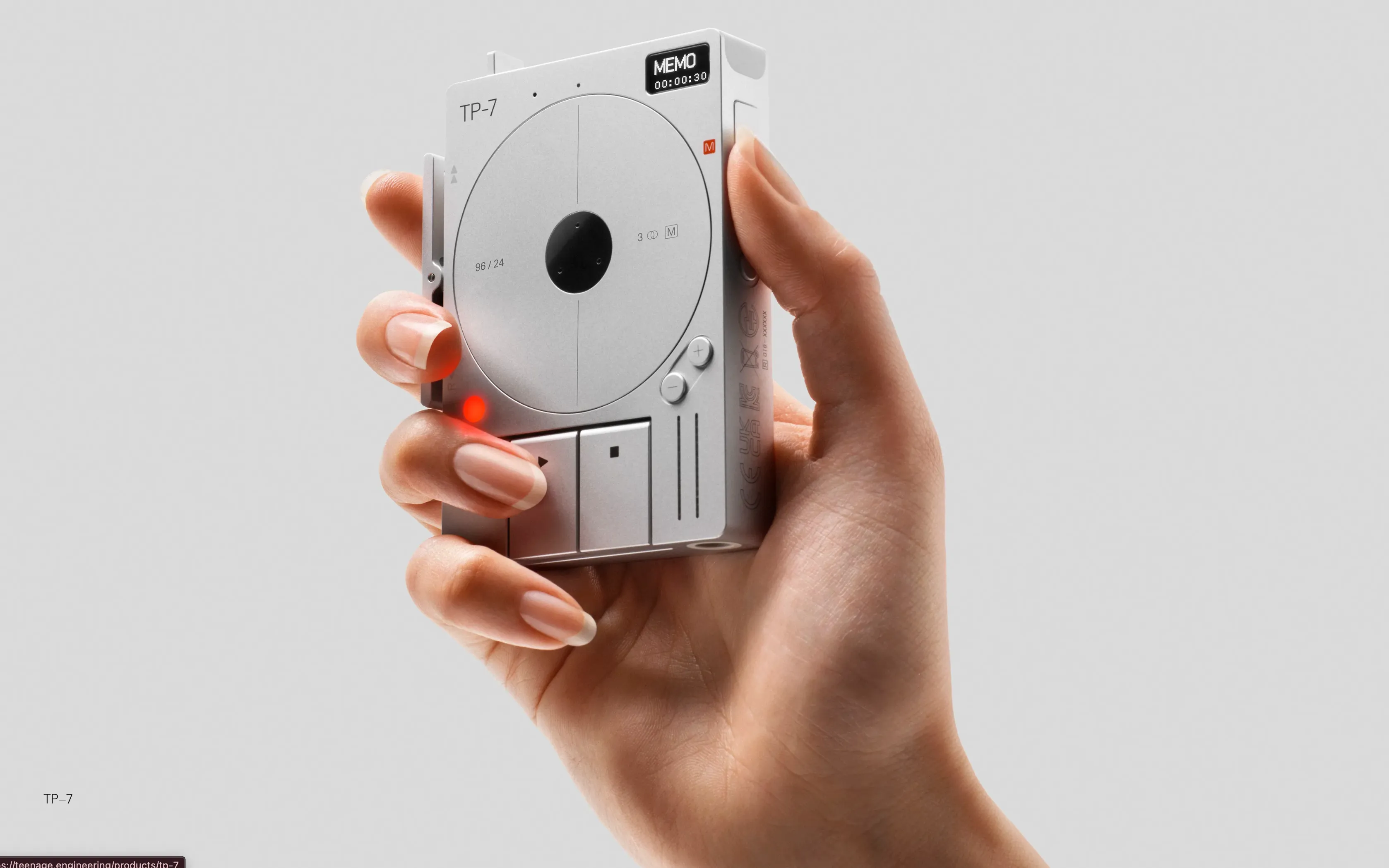
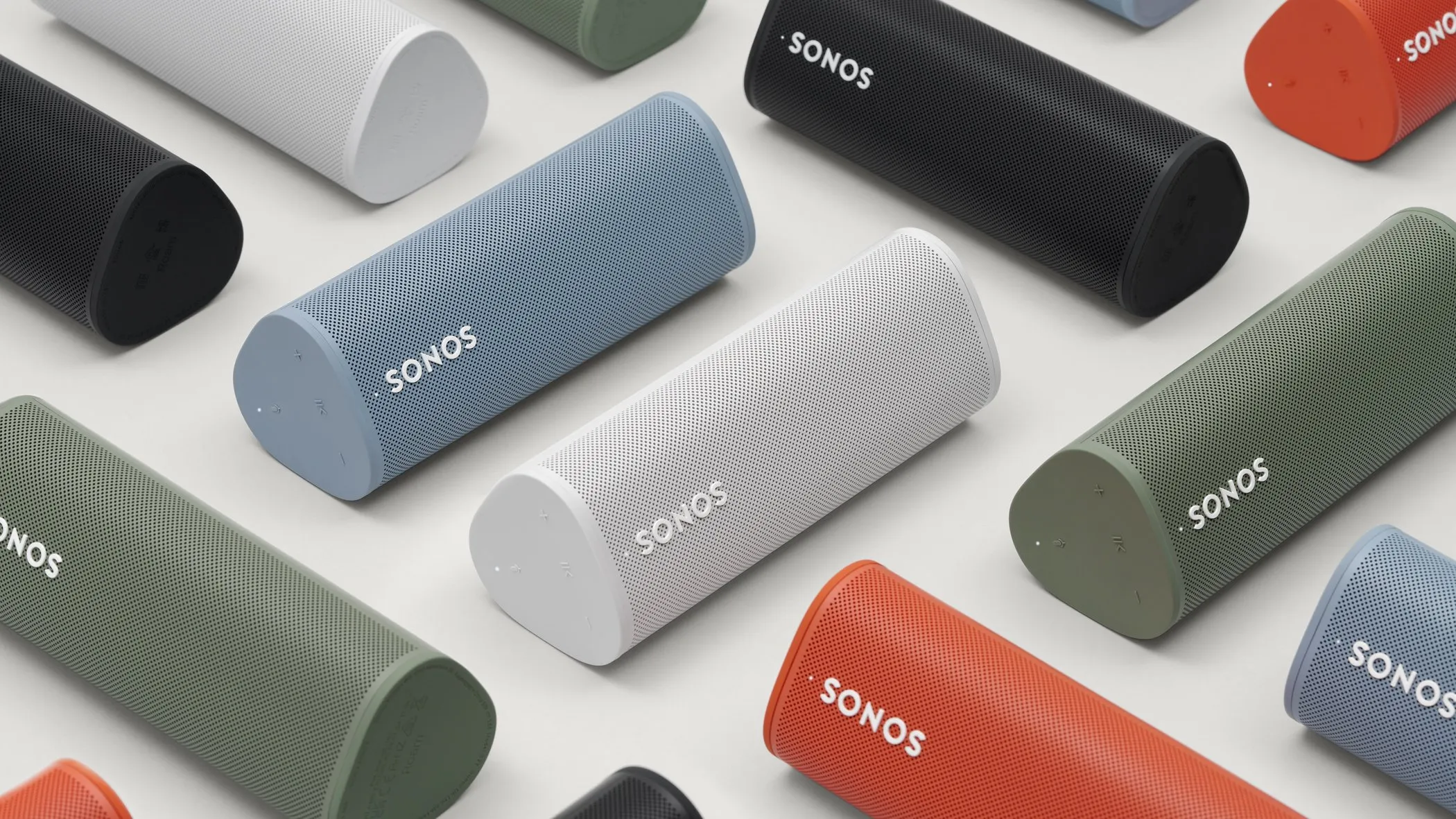
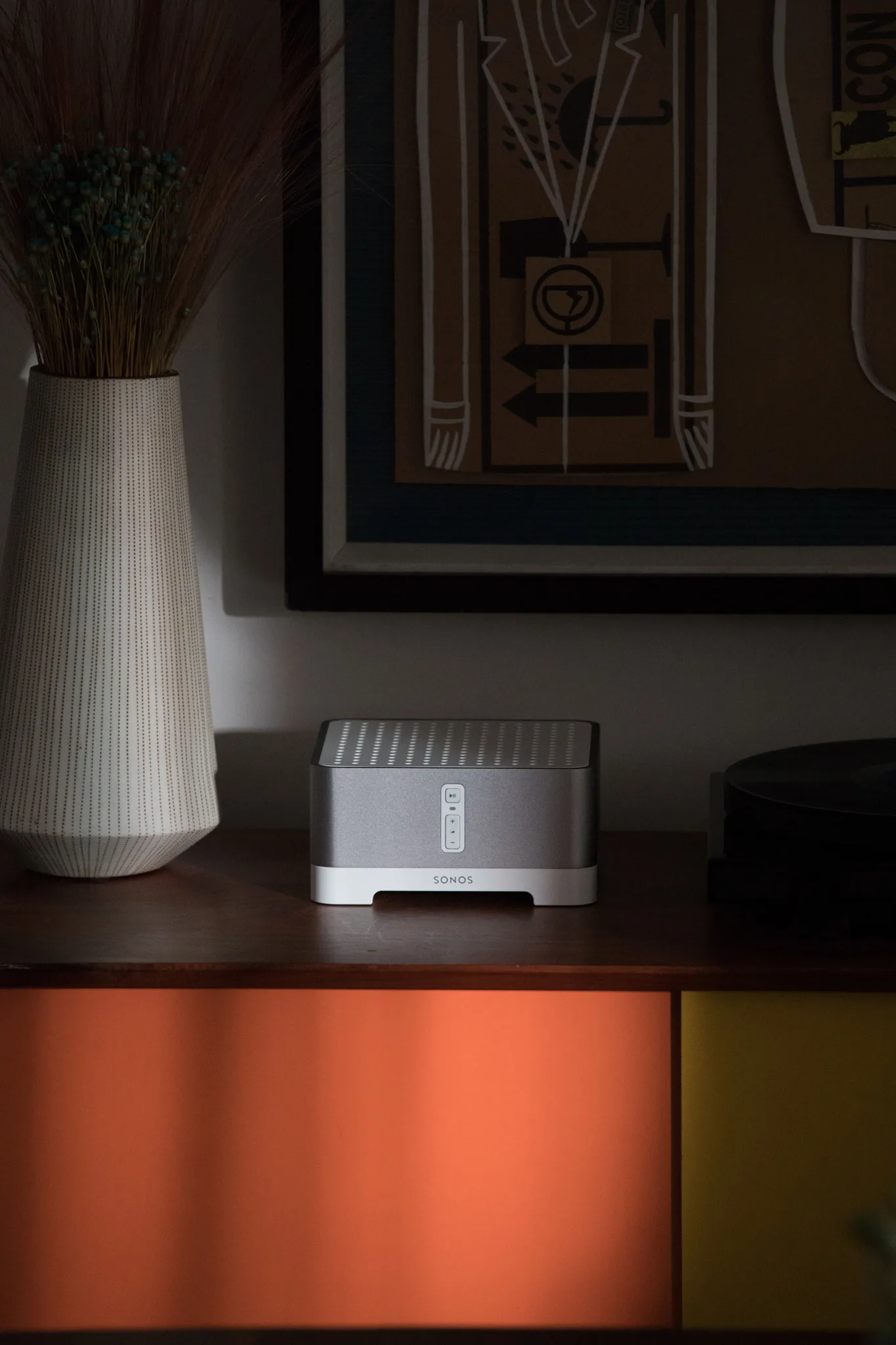
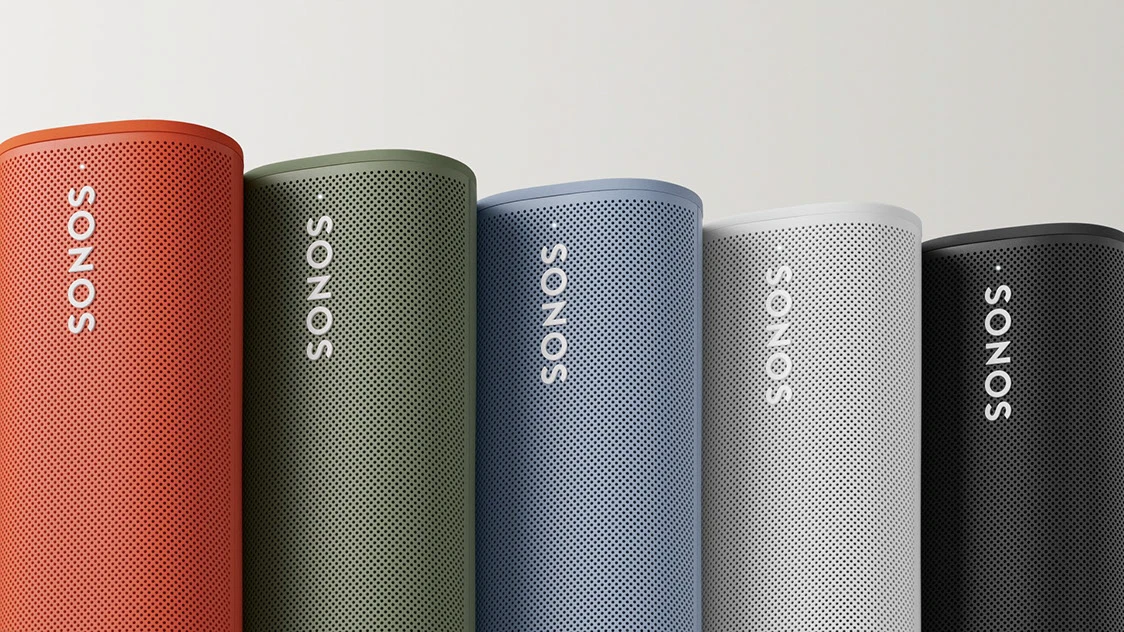
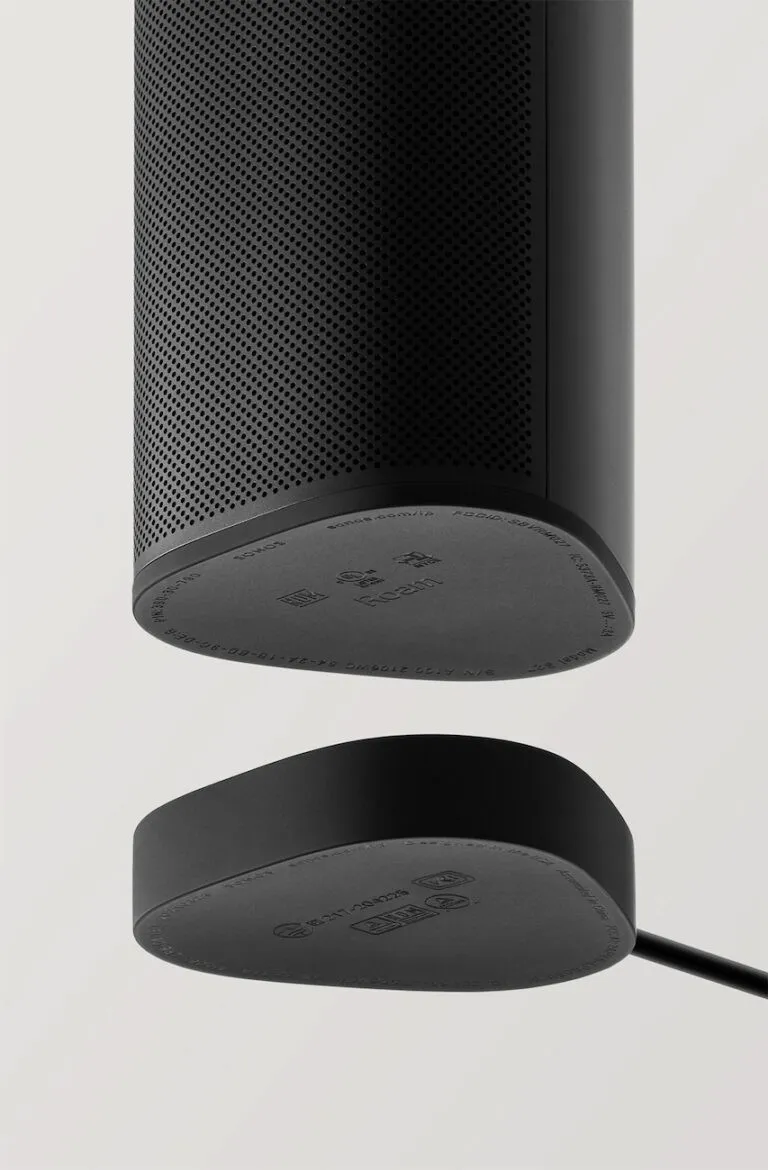
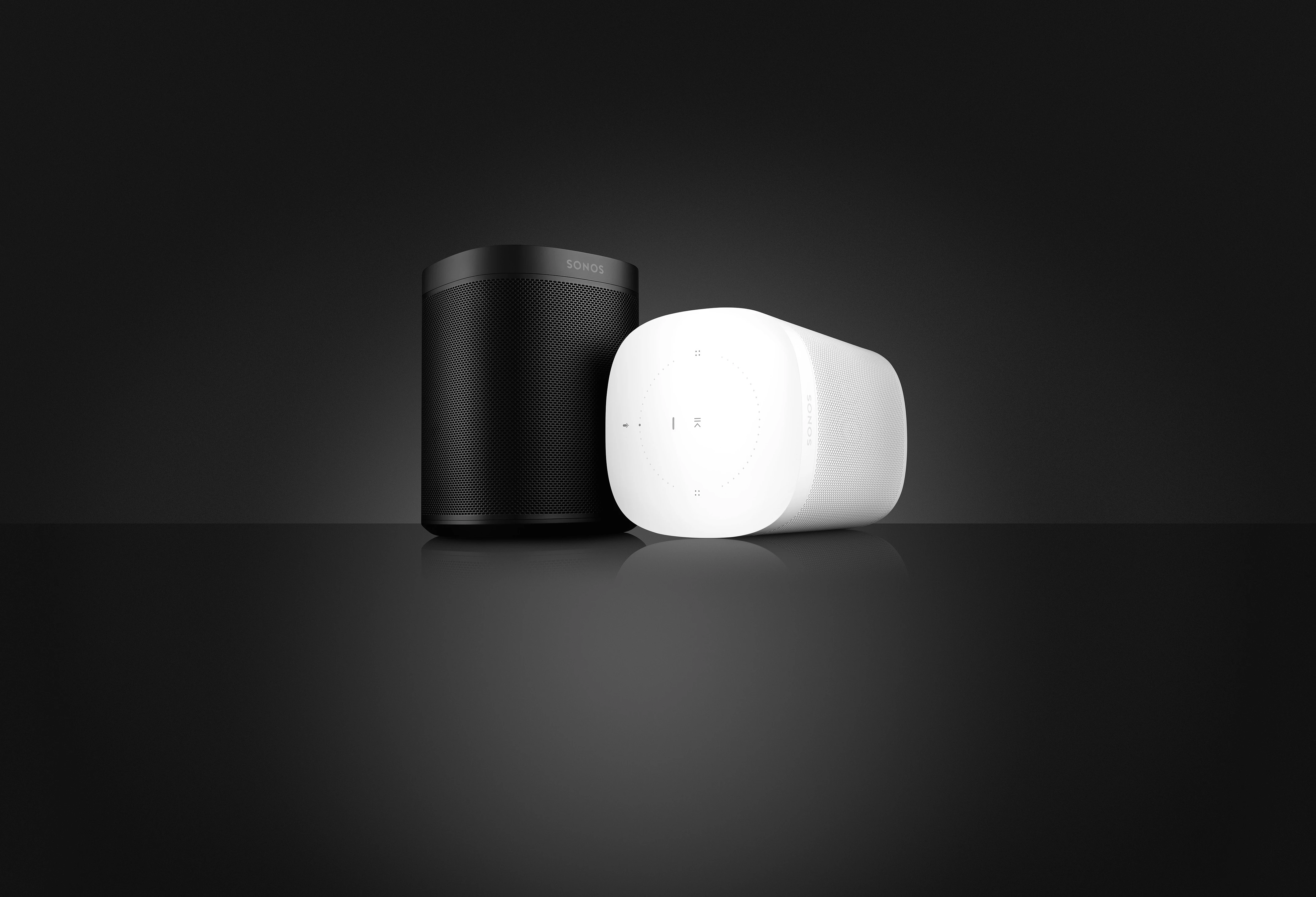
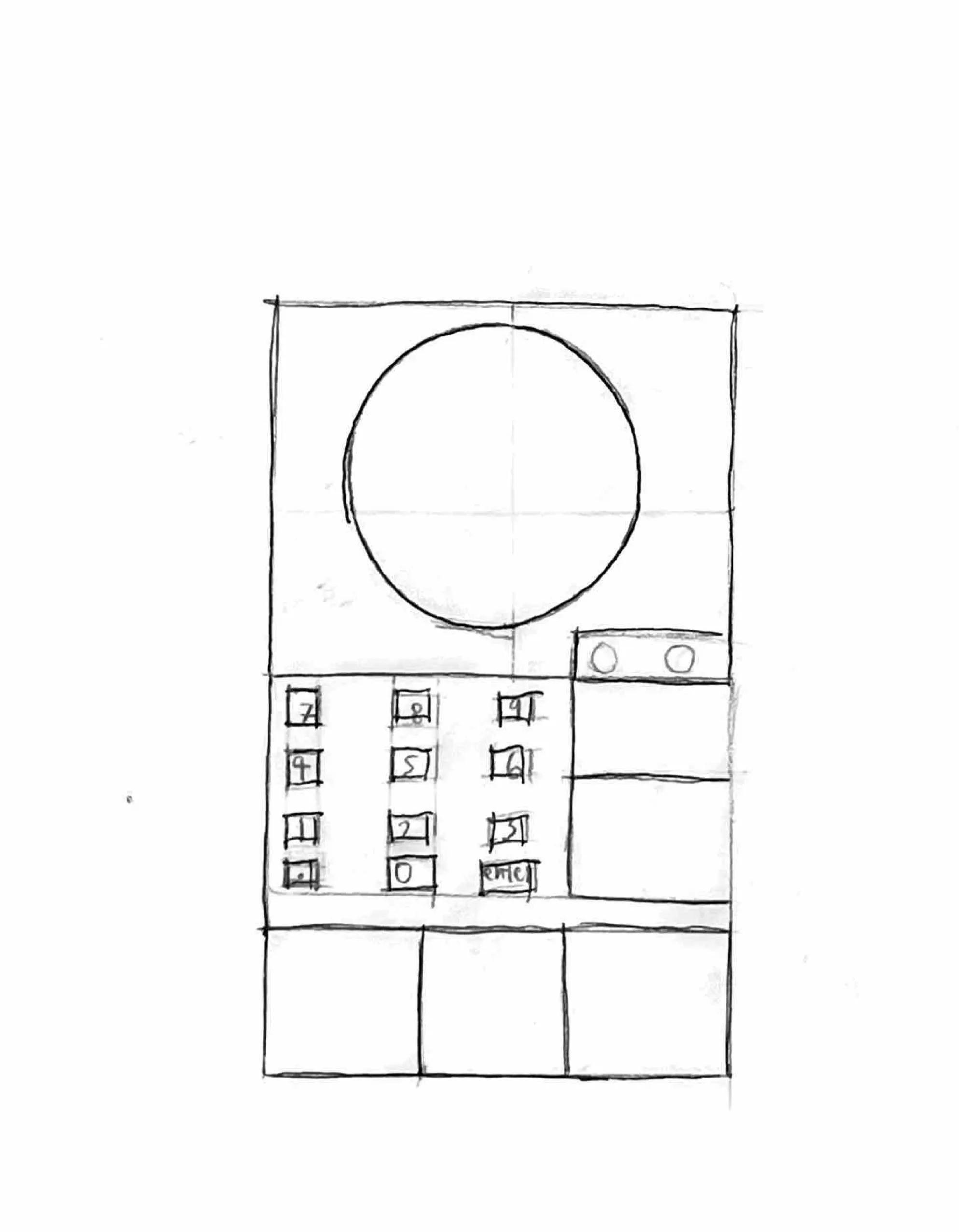
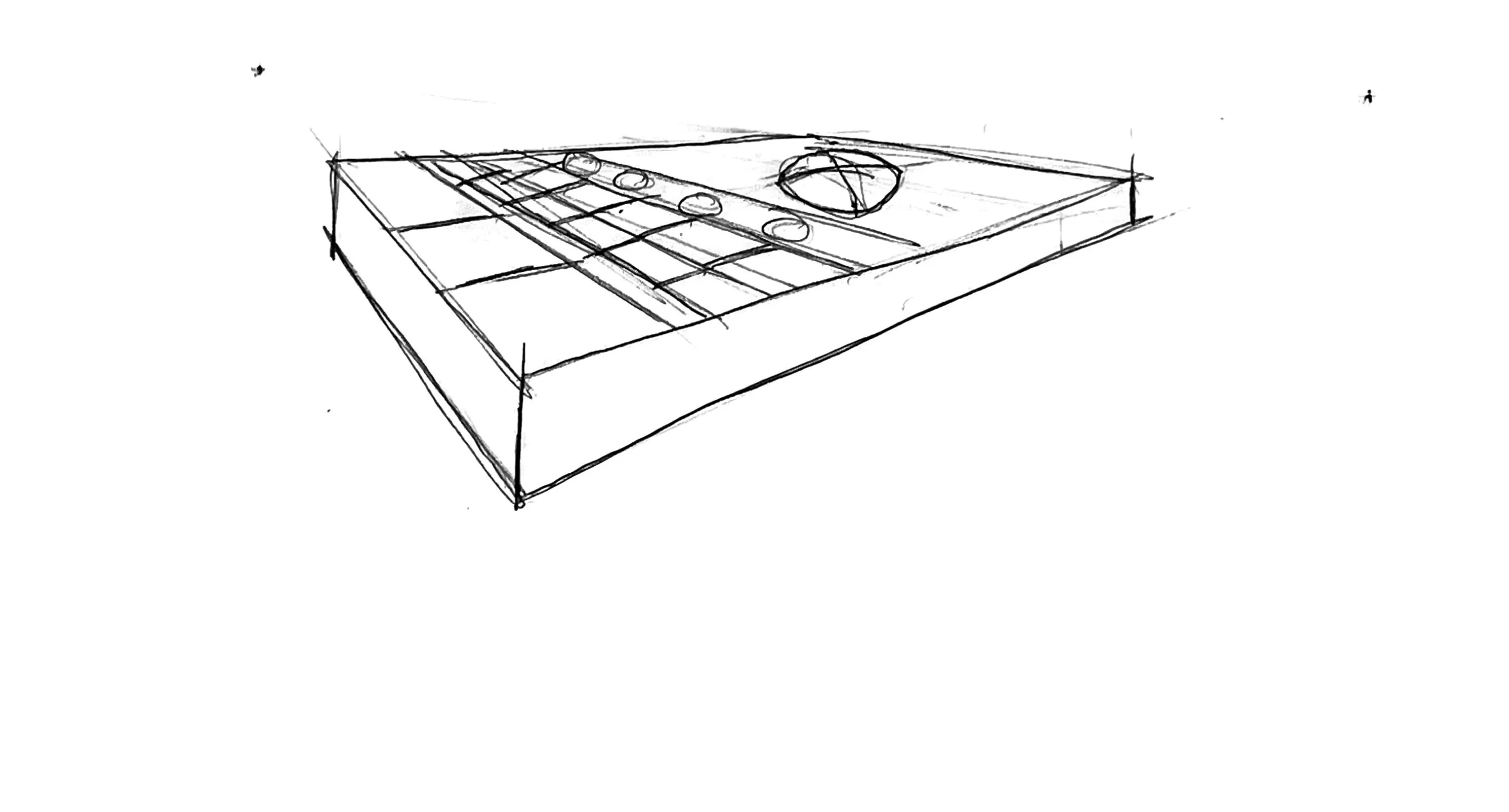
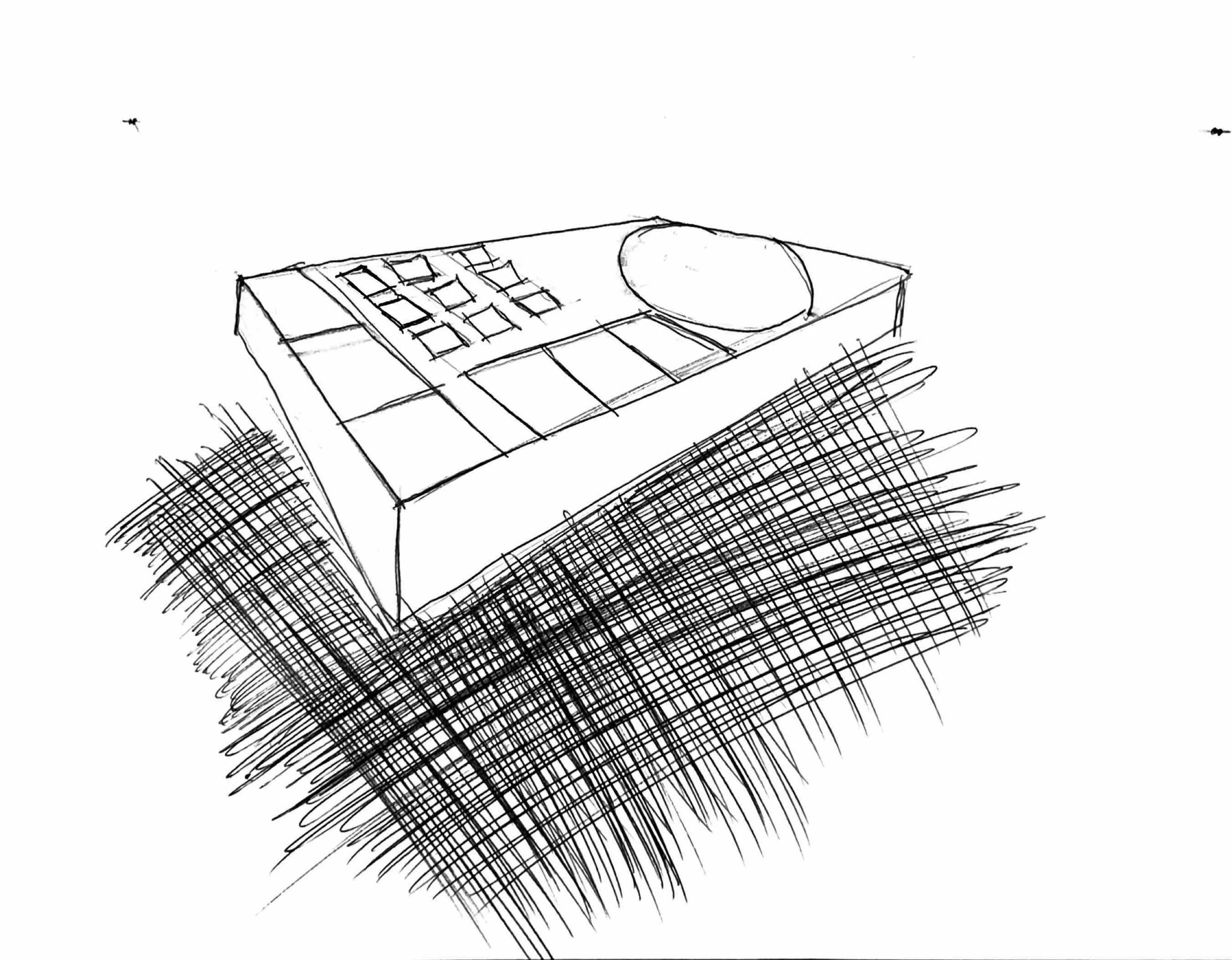
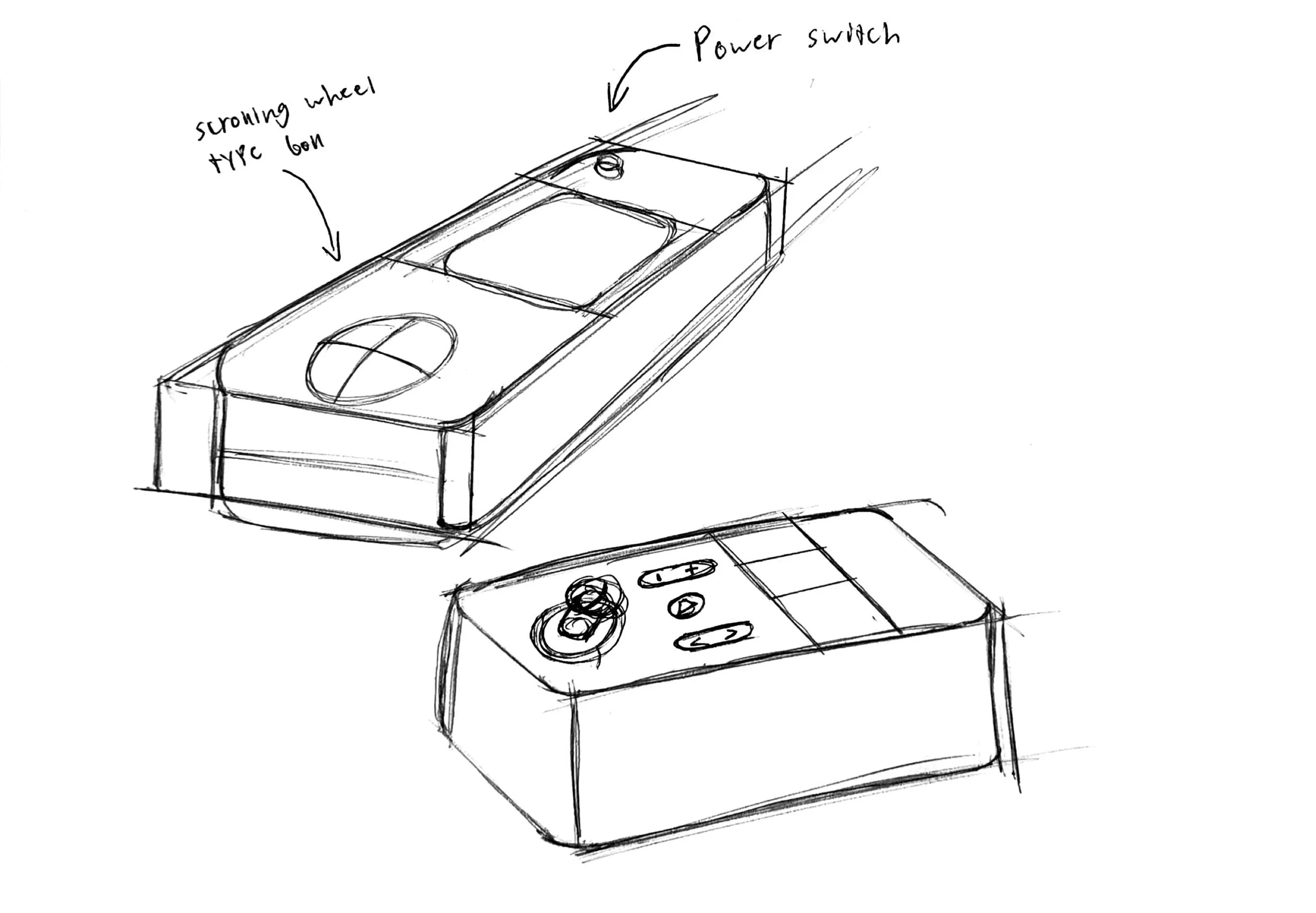
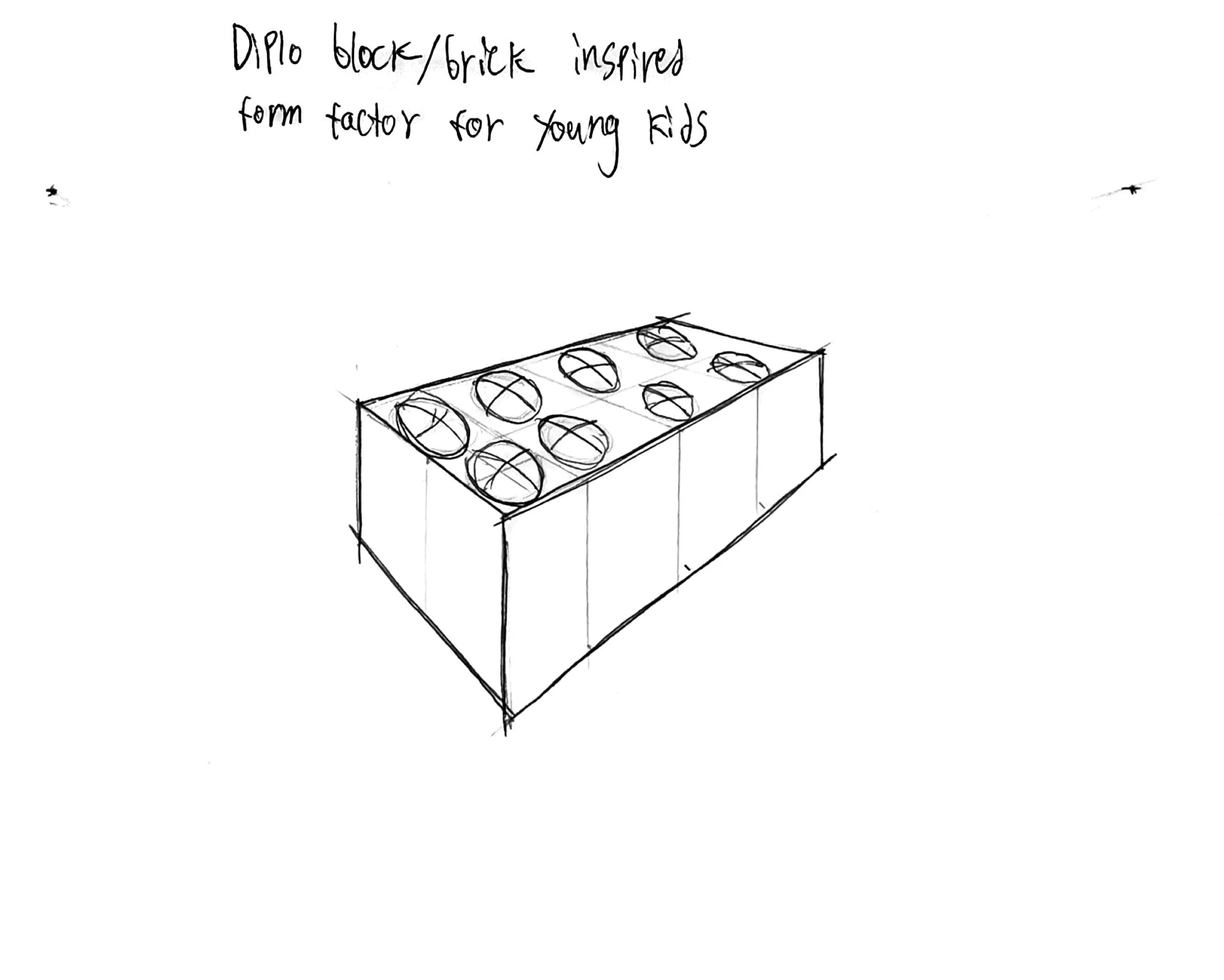
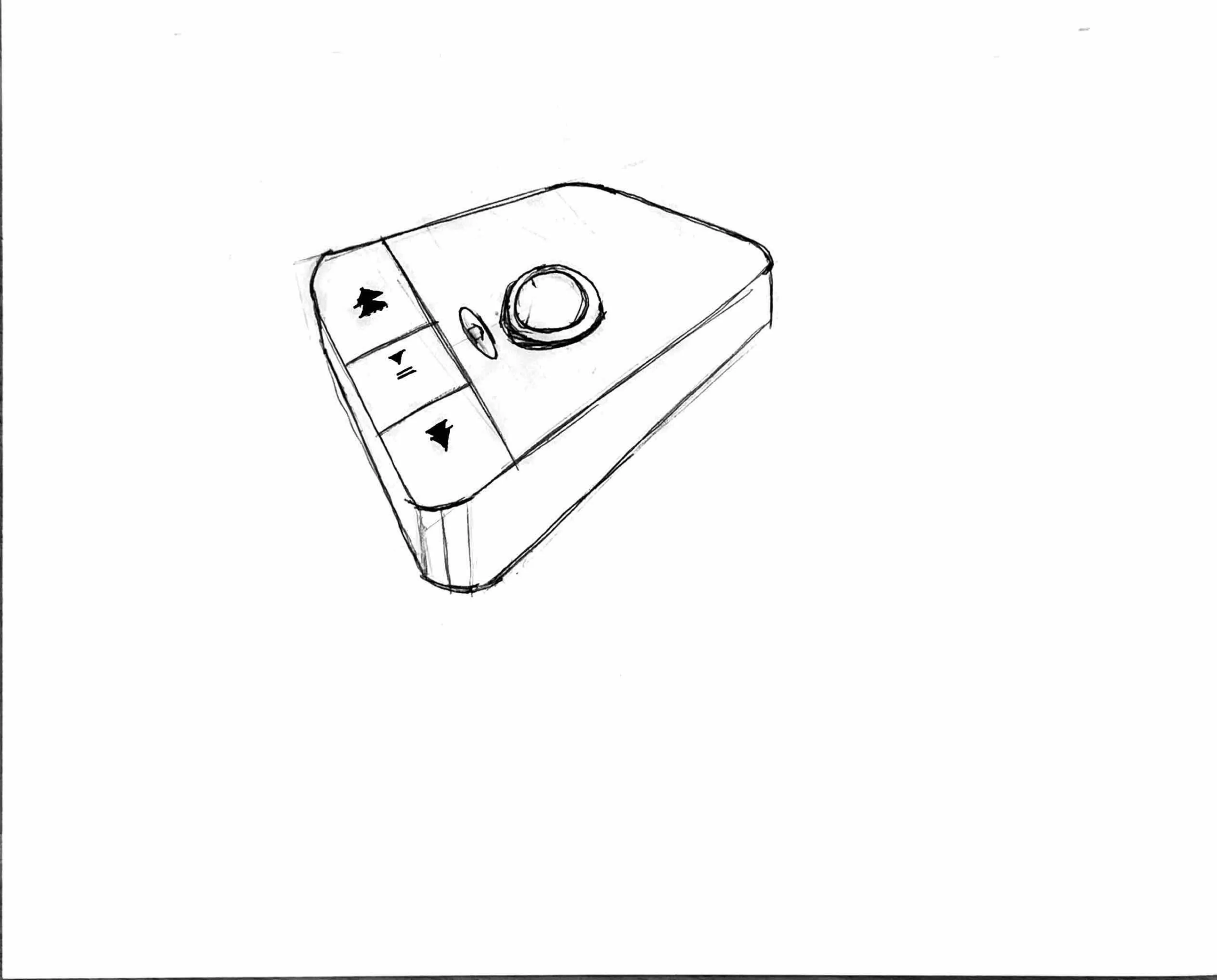
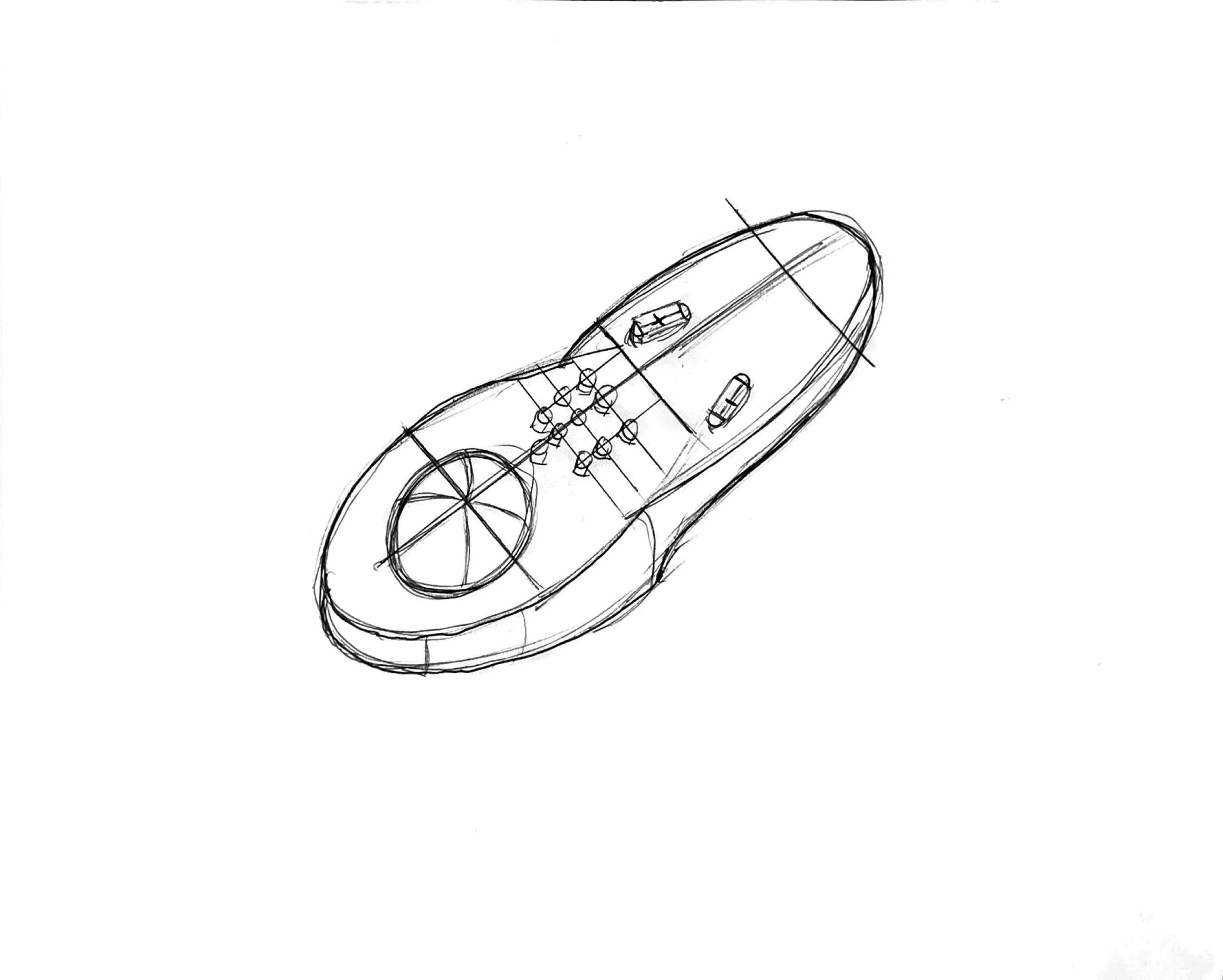
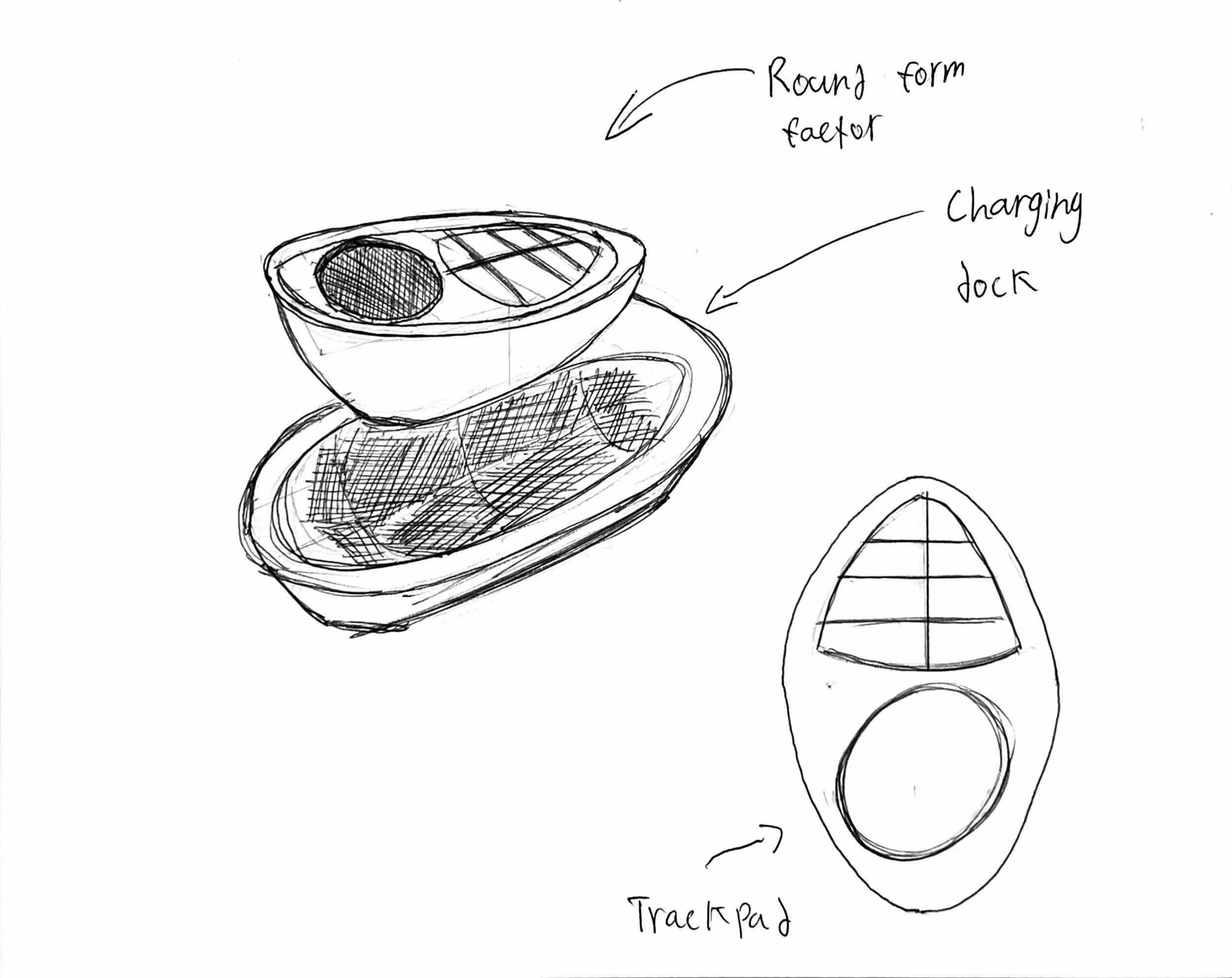
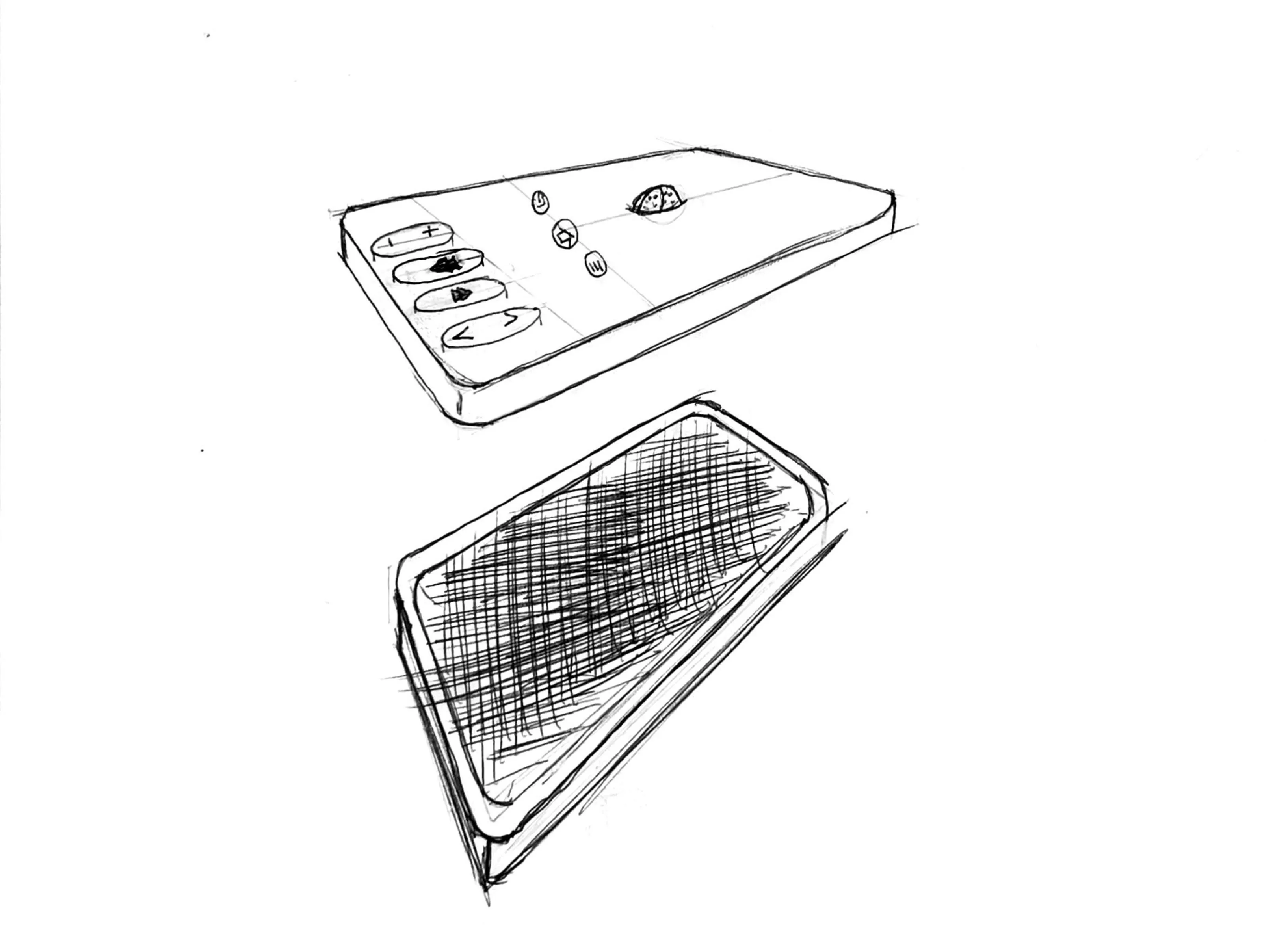
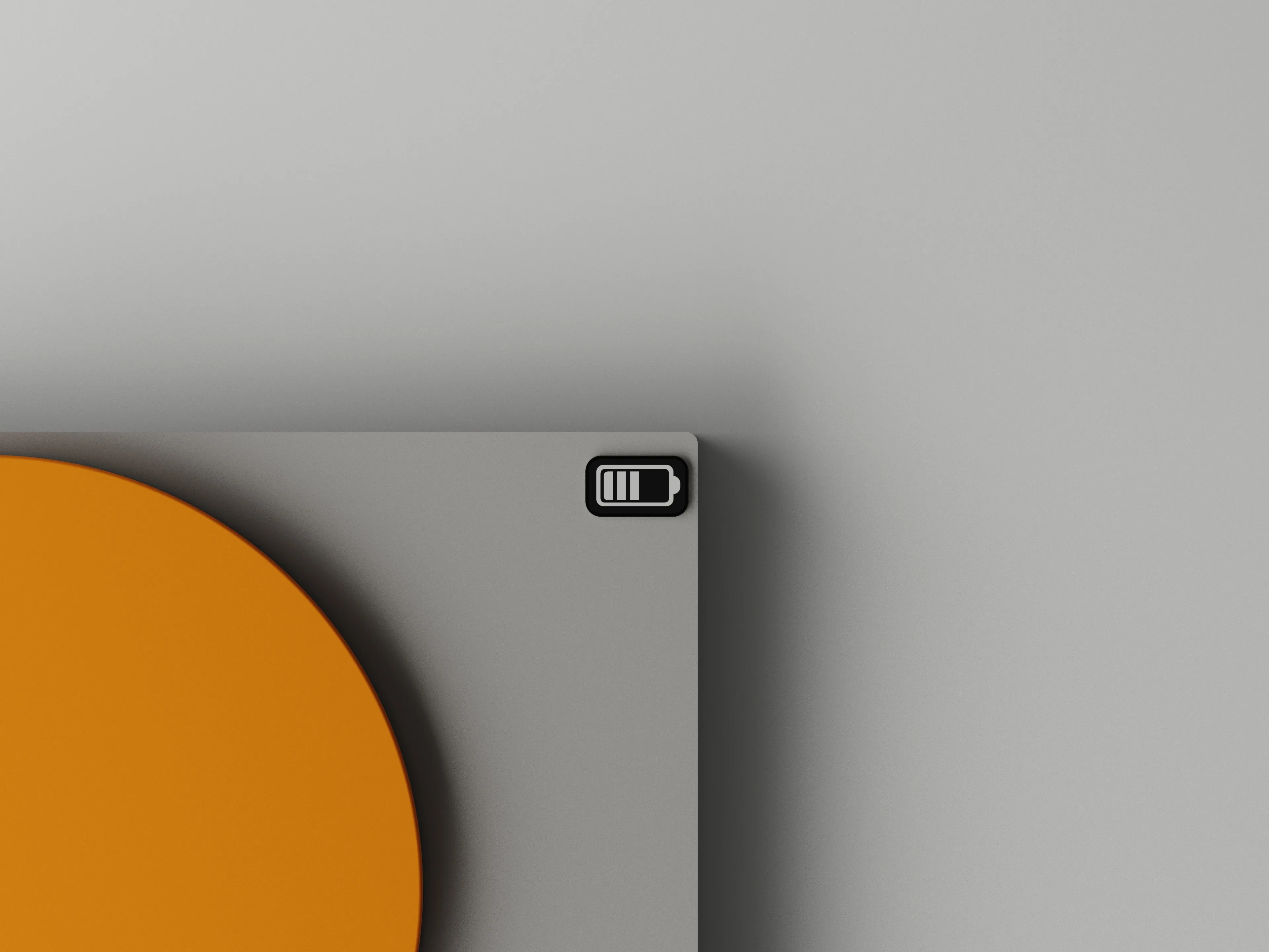
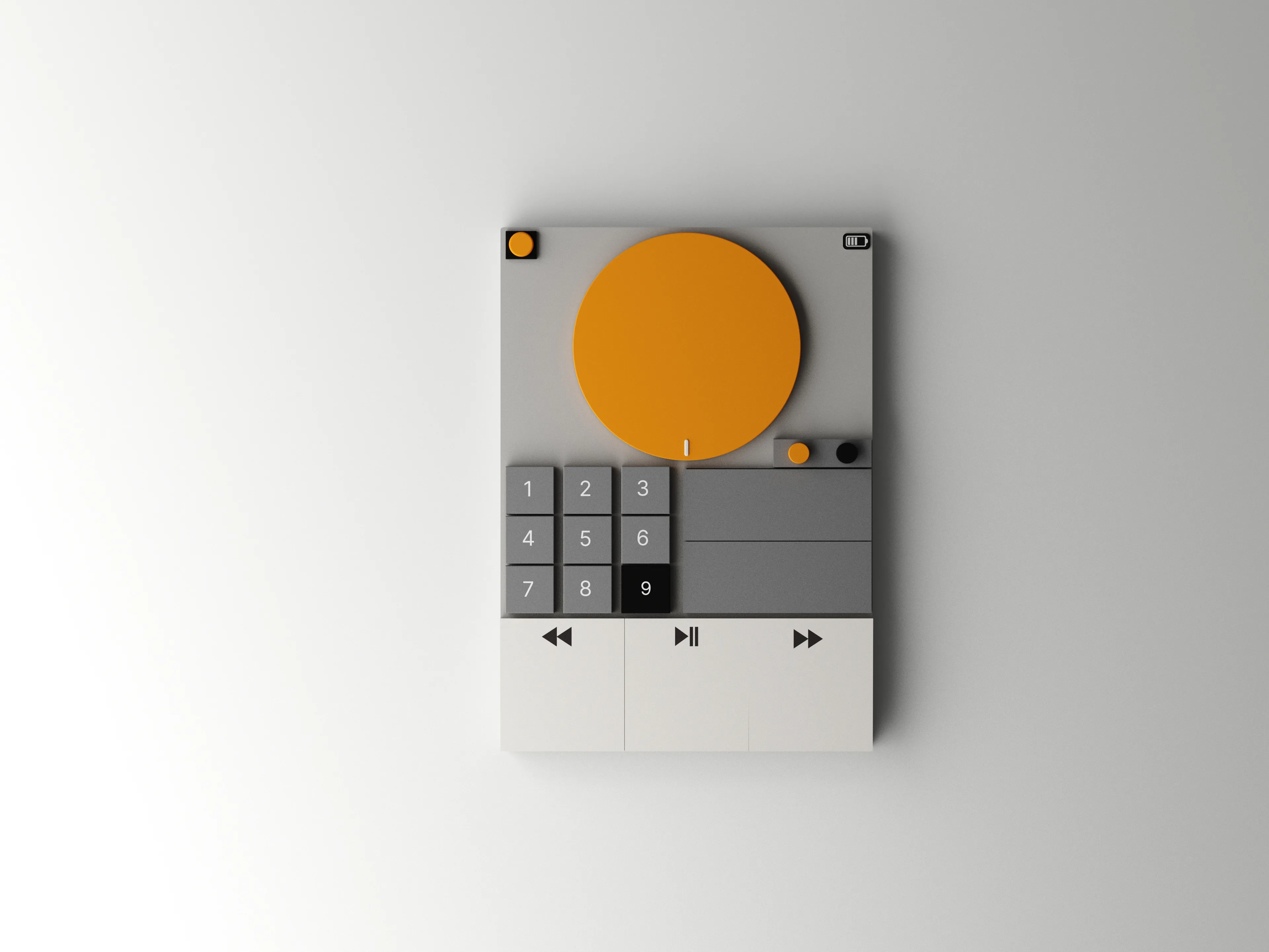
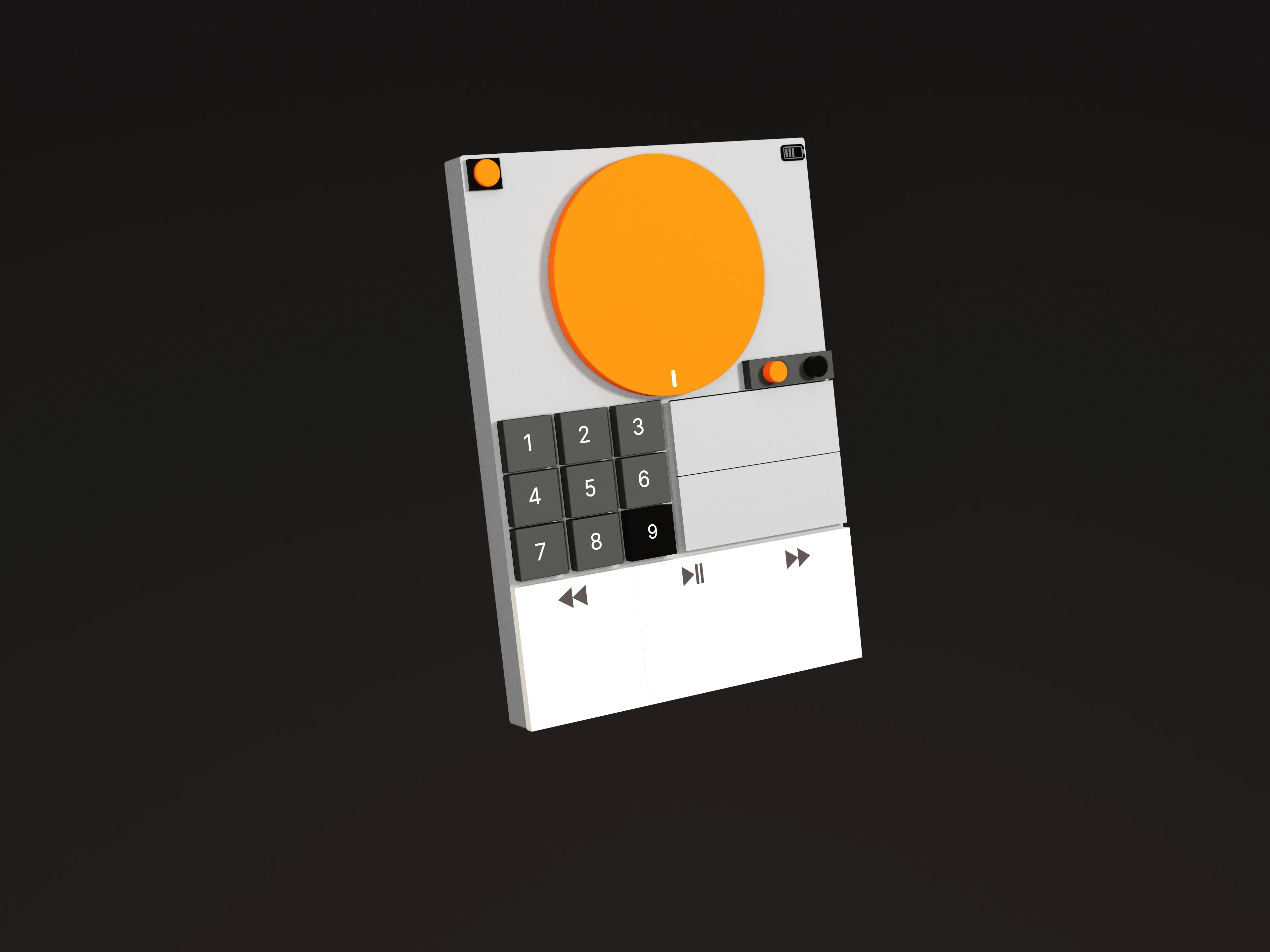
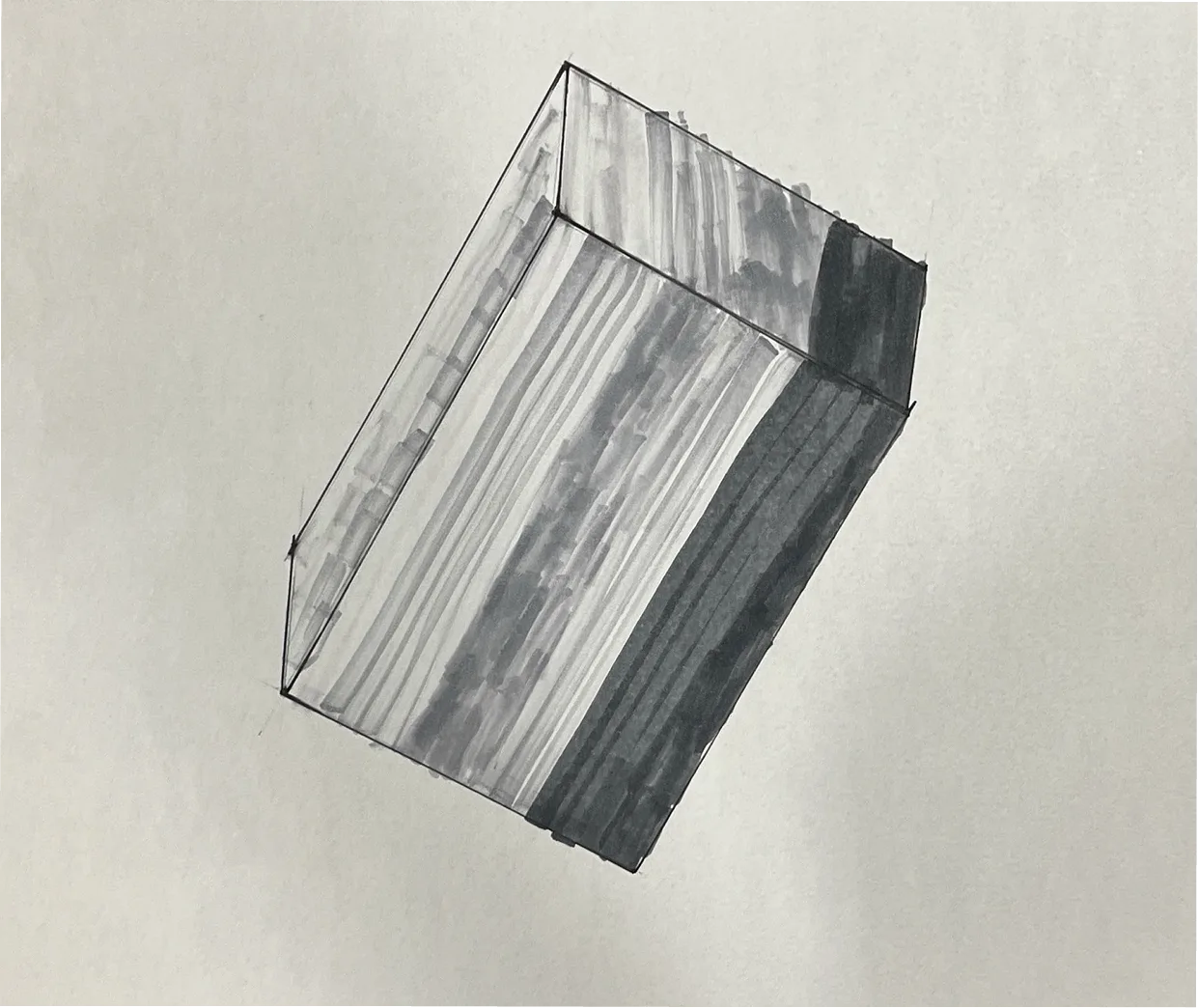
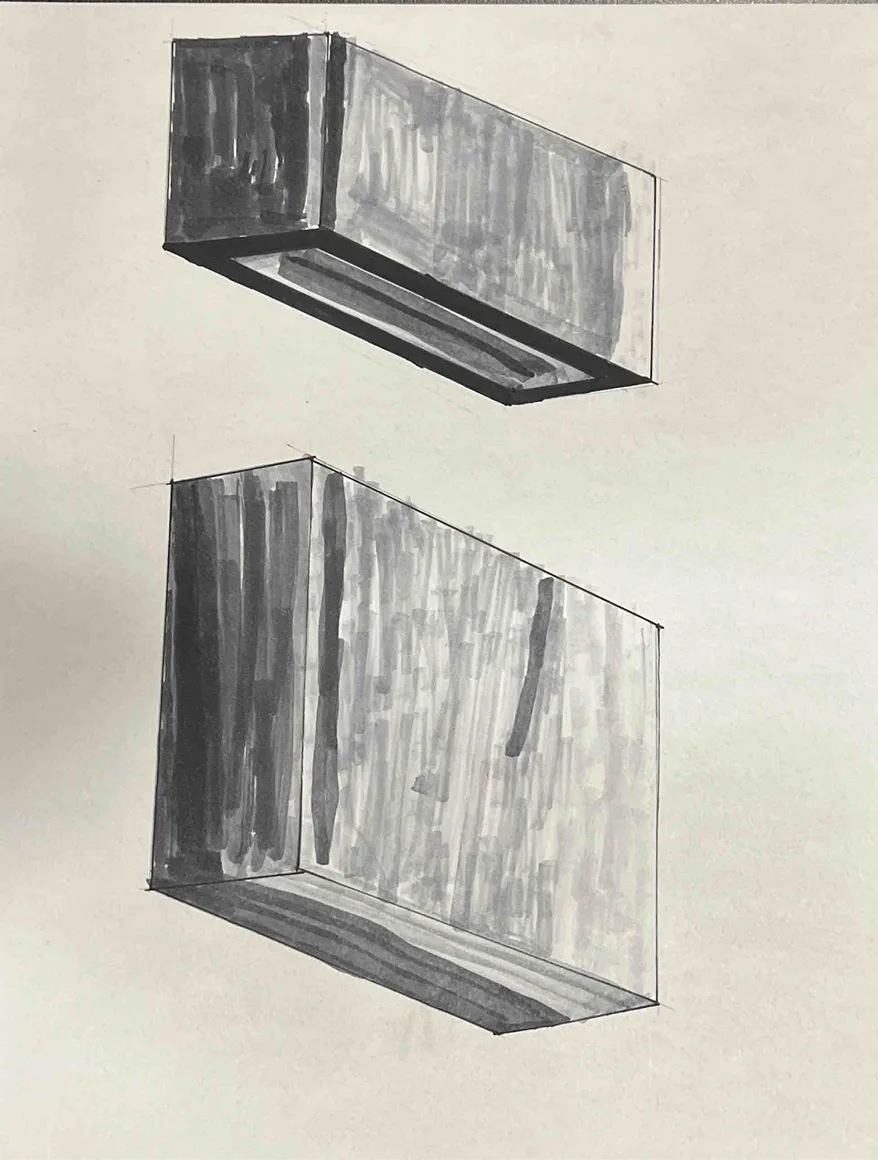
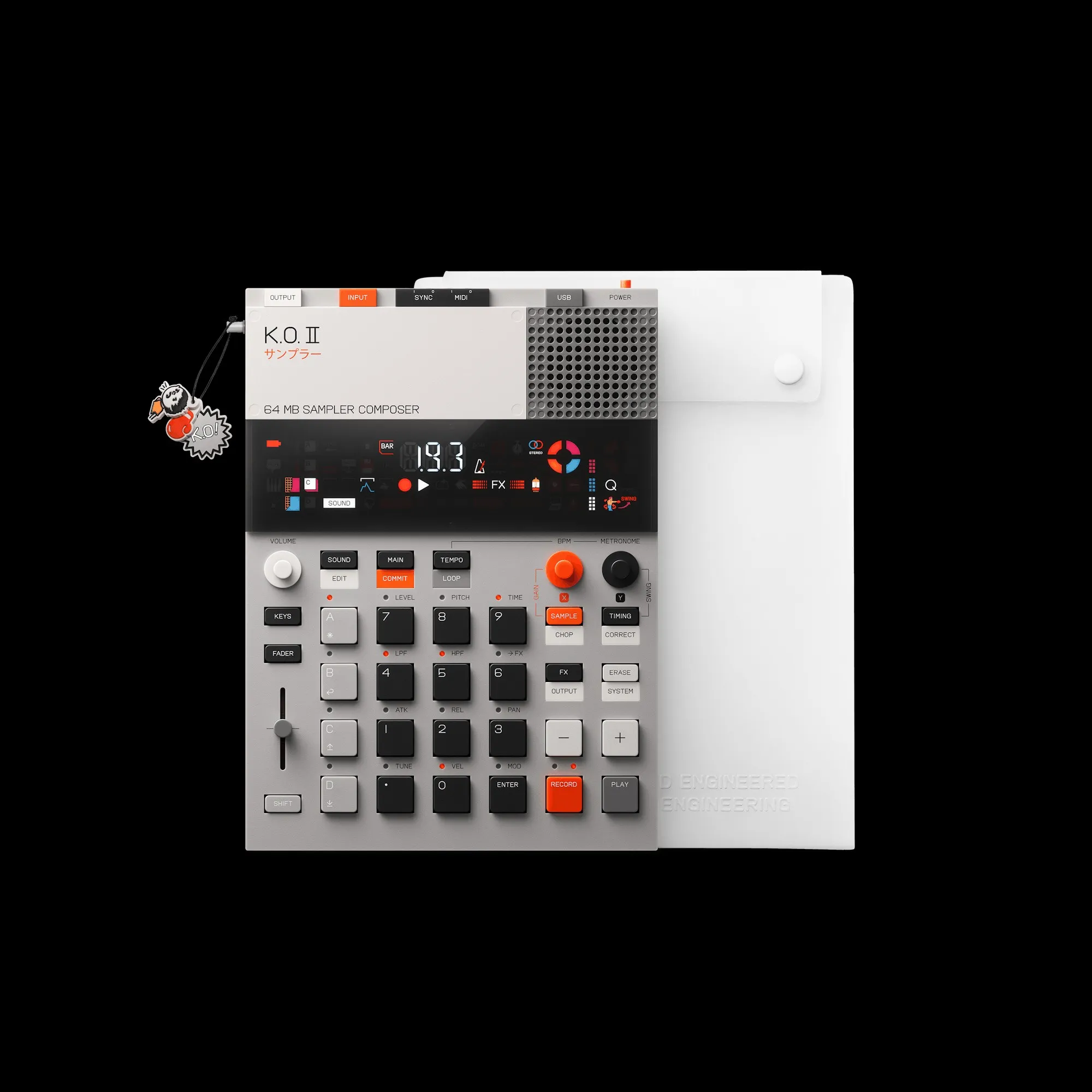
Assigned the task of reimagining the universal remote, this project invited the selection of a primary brand to reinterpret in dialogue with a secondary counterpart. I chose Teenage Engineering for its playful minimalism and meticulous attention to form, and paired it with Sonos—a brand defined by its refined functionality and seamless integration within the home electronics ecosystem.
Teenage Engineering Design Language
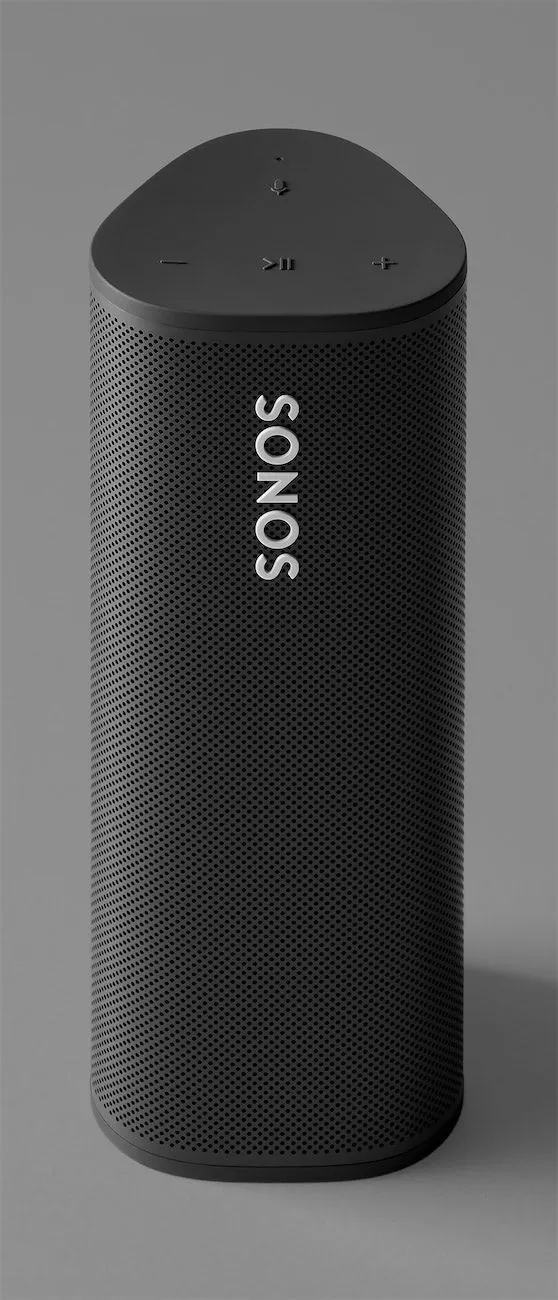
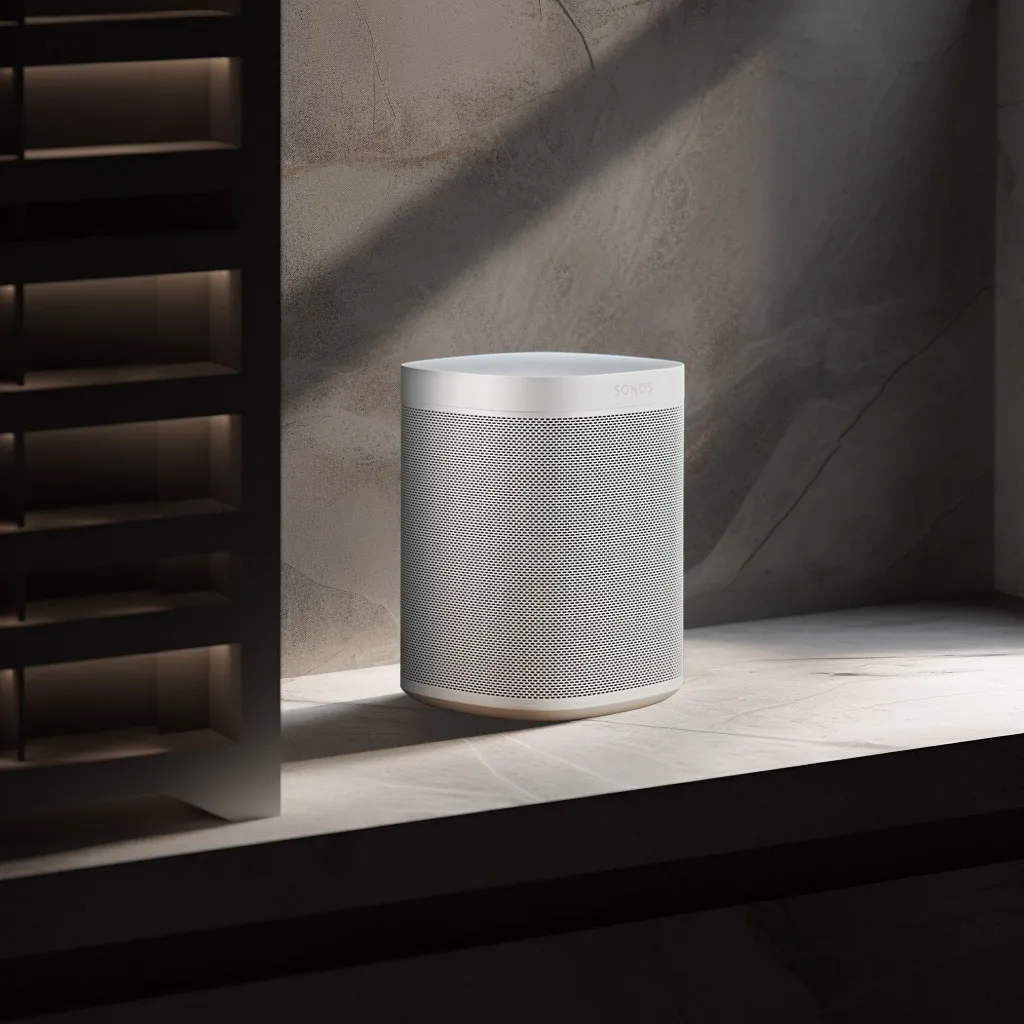
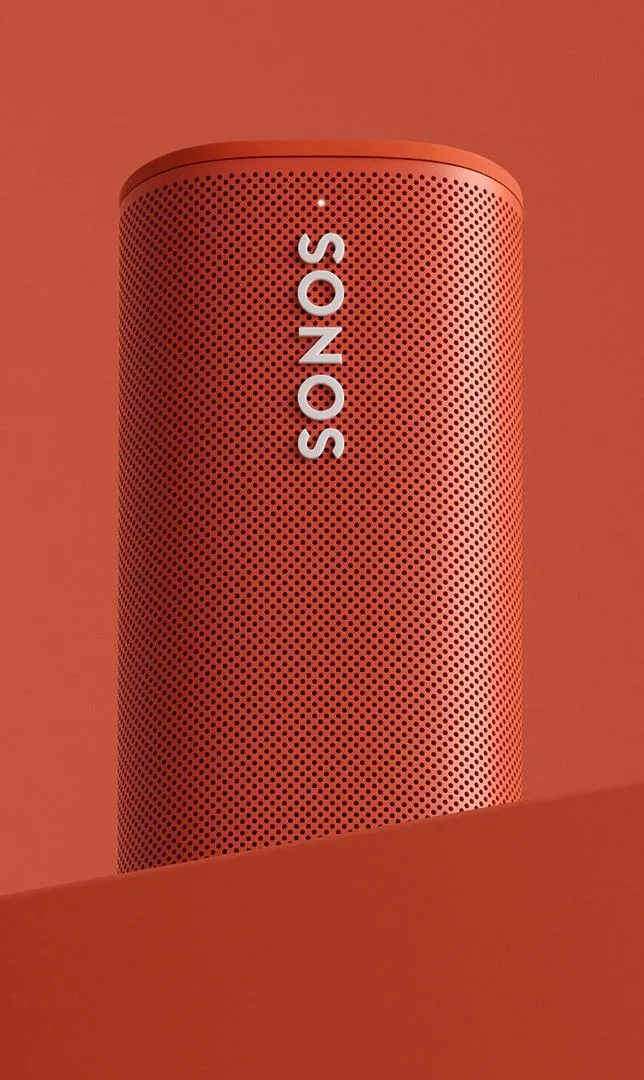
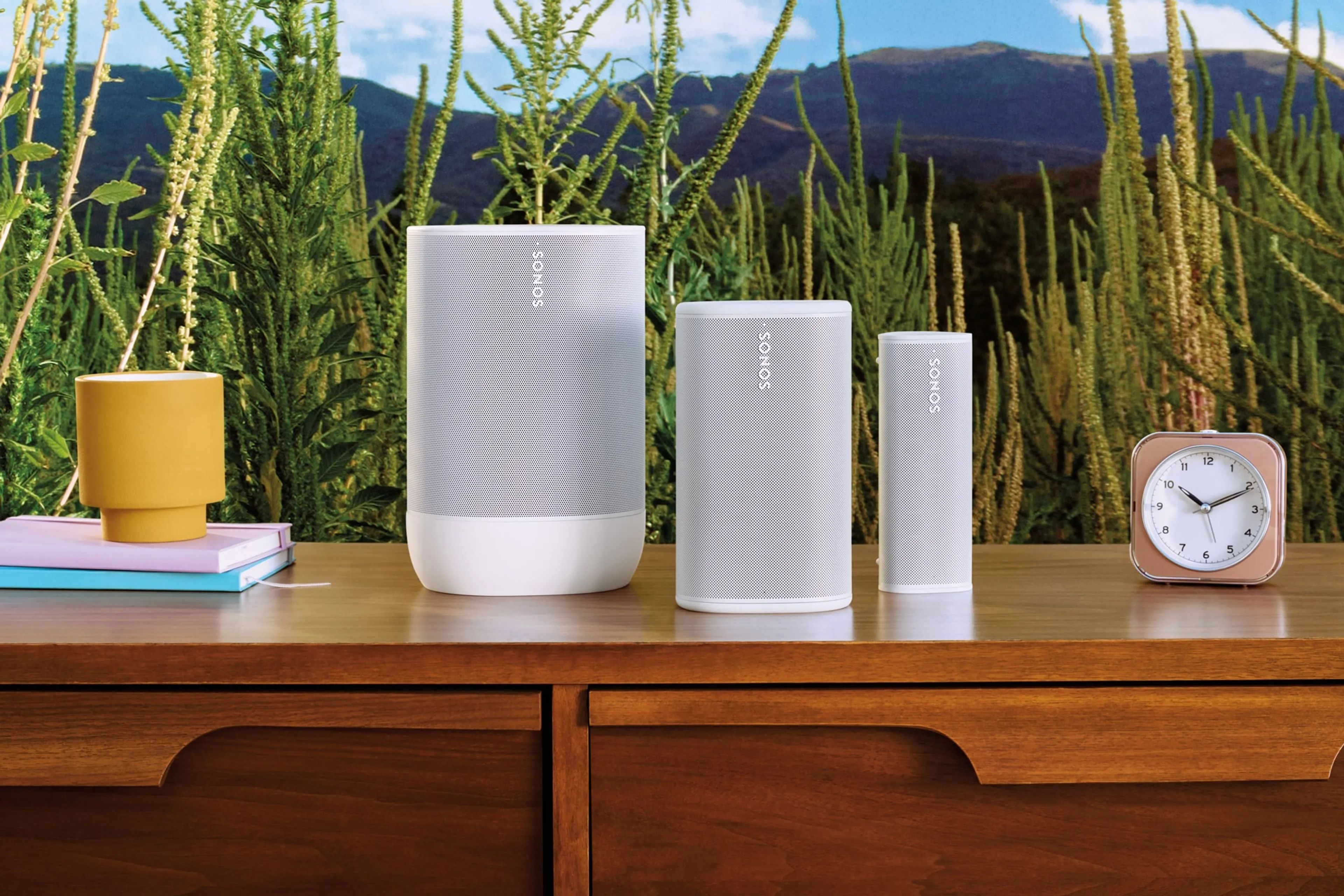
Sonos Design Language
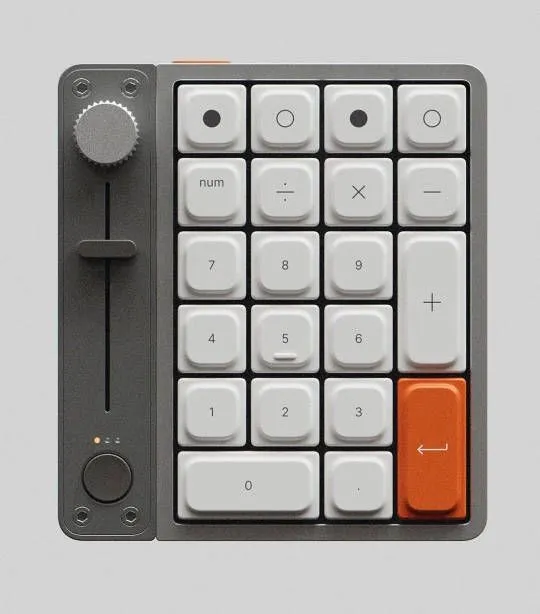
Recognizing the stronger visual identity of Teenage Engineering, I chose to adopt its distinctive aesthetic language while prioritizing the functional clarity and user experience characteristic of Sonos.
Today, most TV Remotes have finicky, overly-complex, non-intuitive interfaces, as well as aesthetically unpleasing designs, and always get lost with no easy way to locate them.
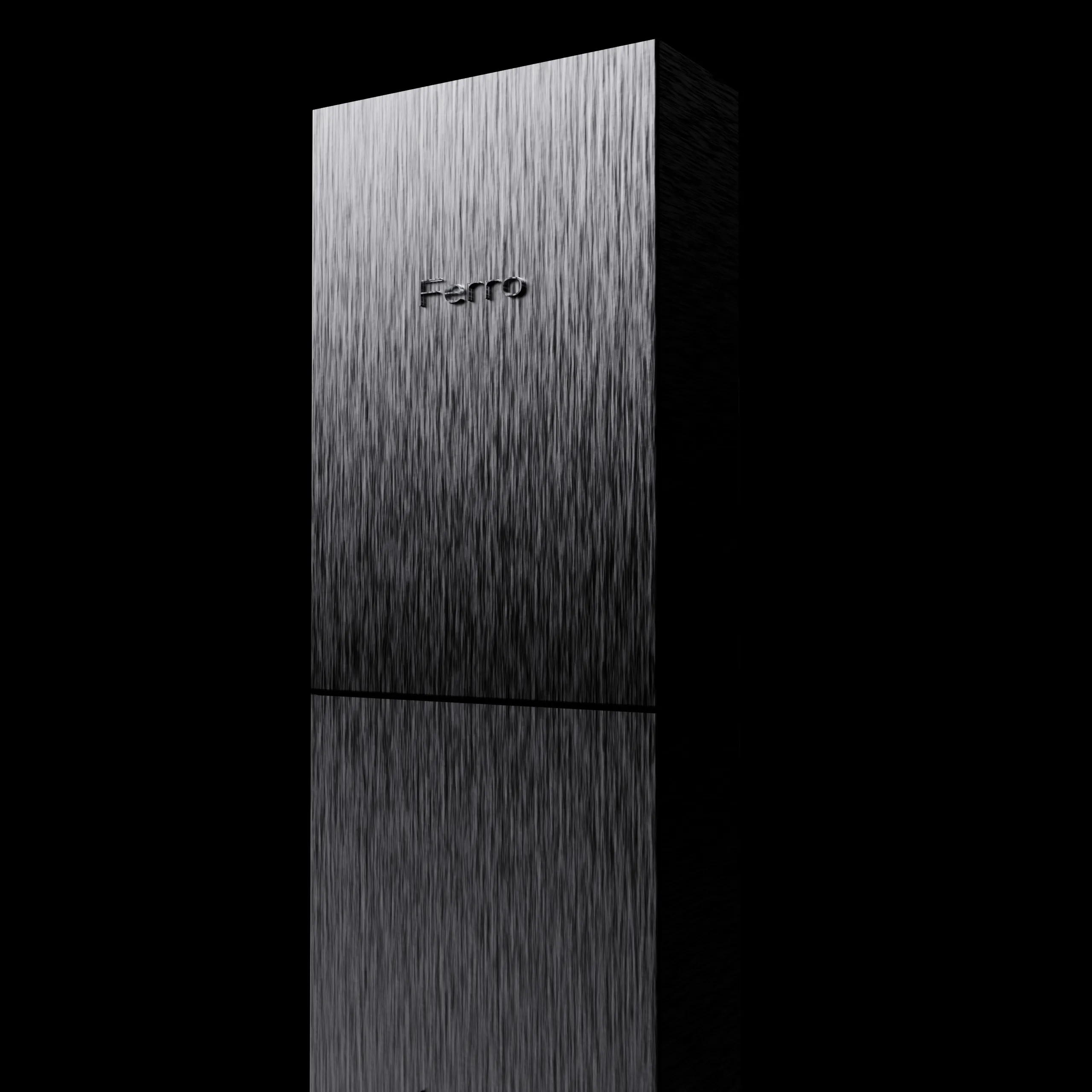
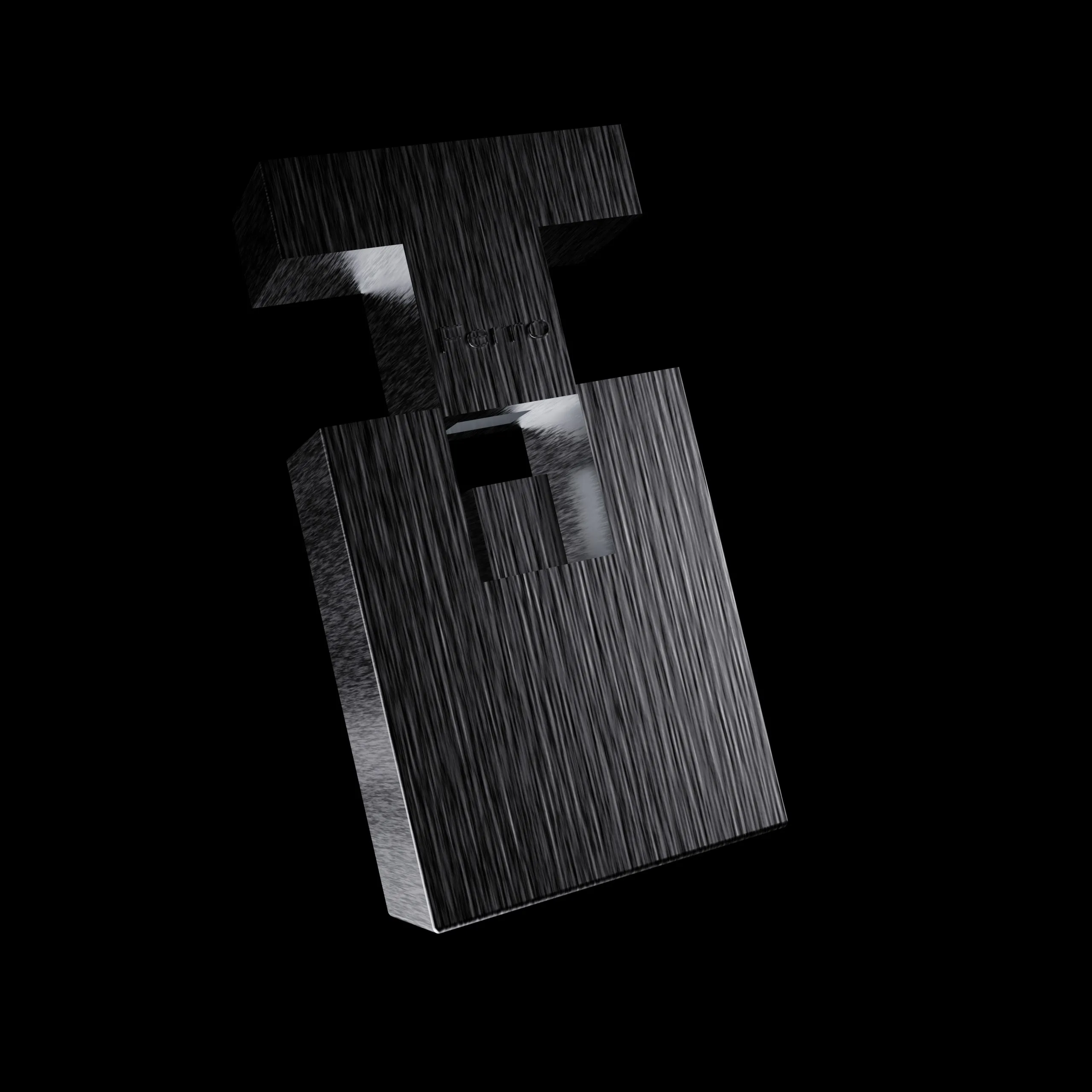
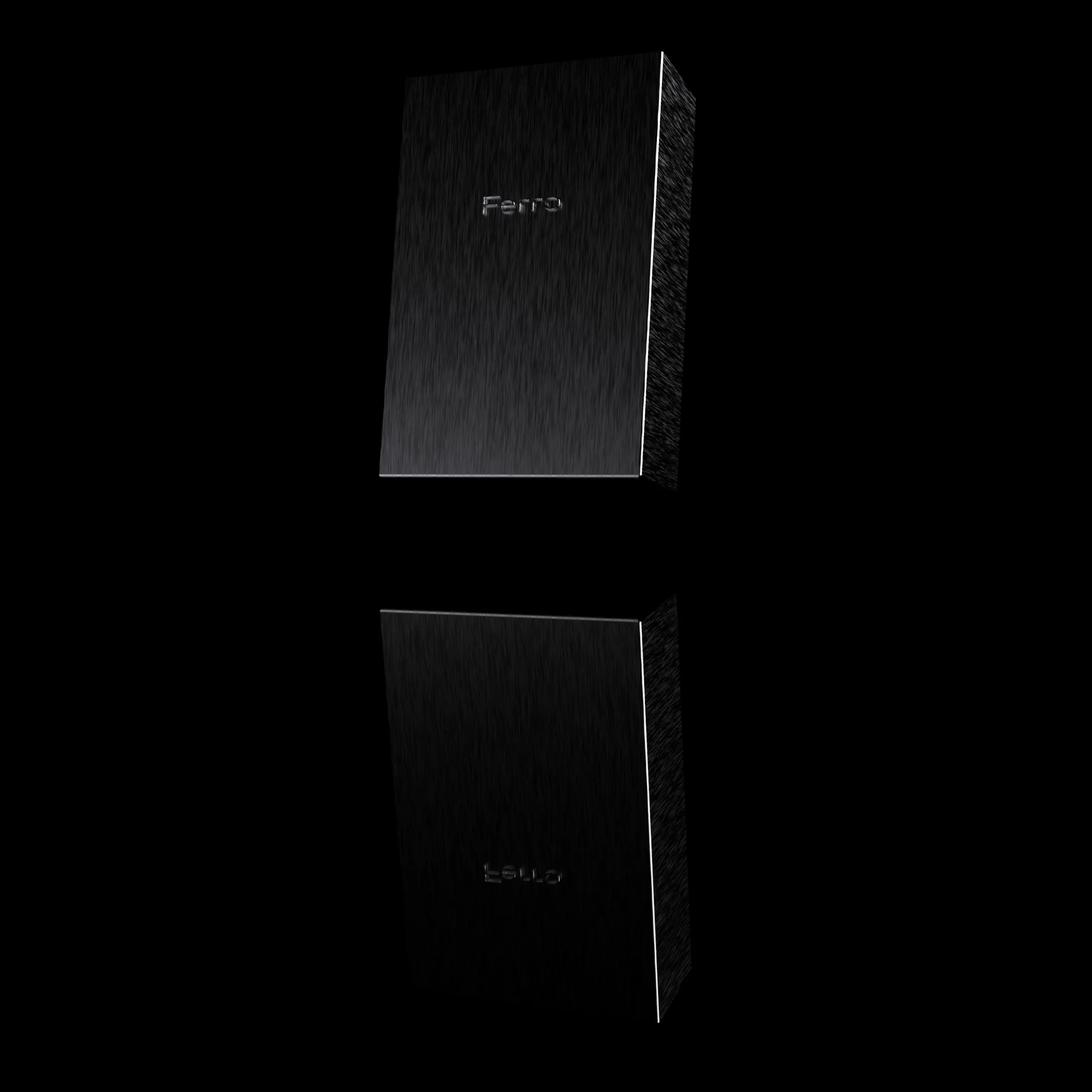
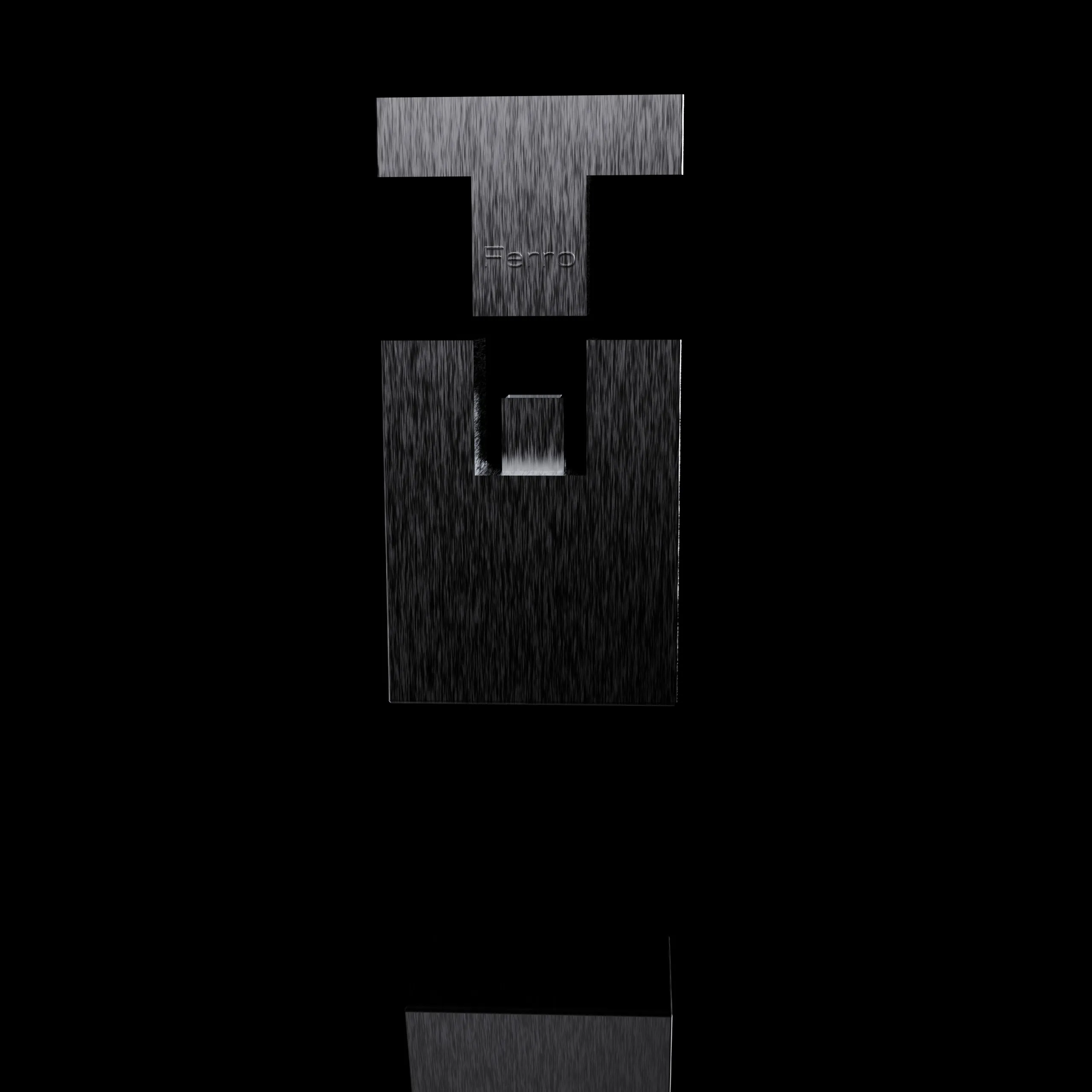
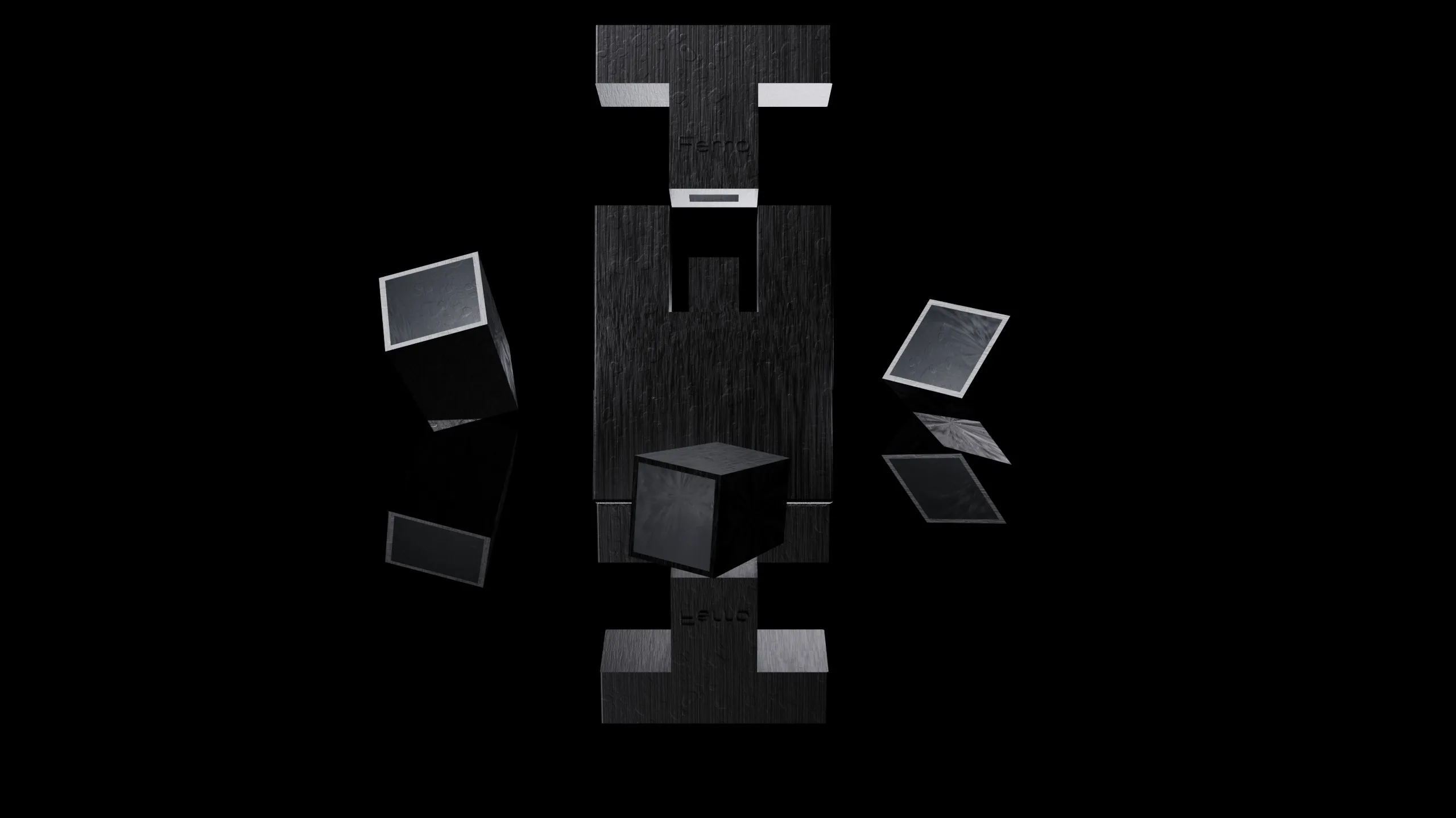
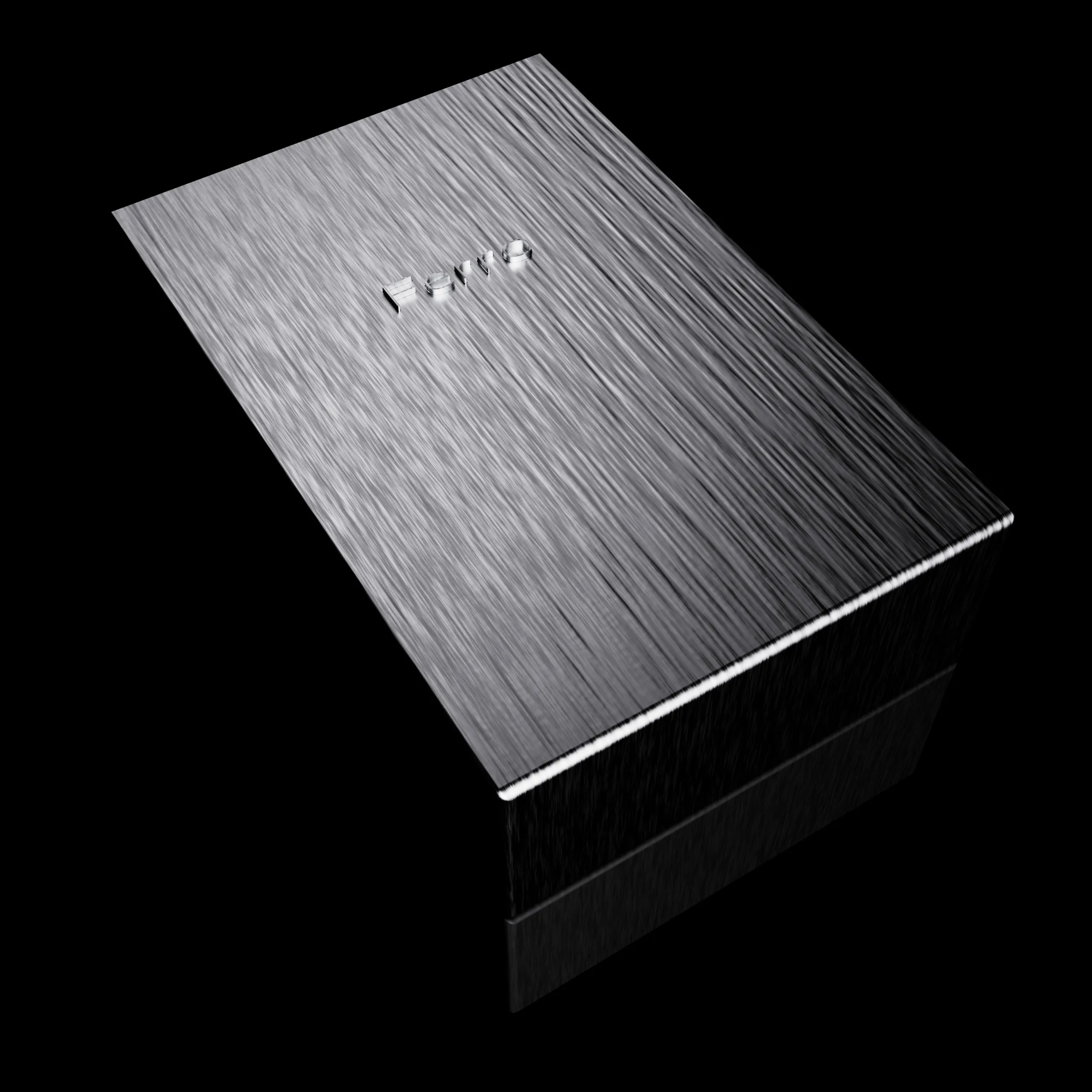
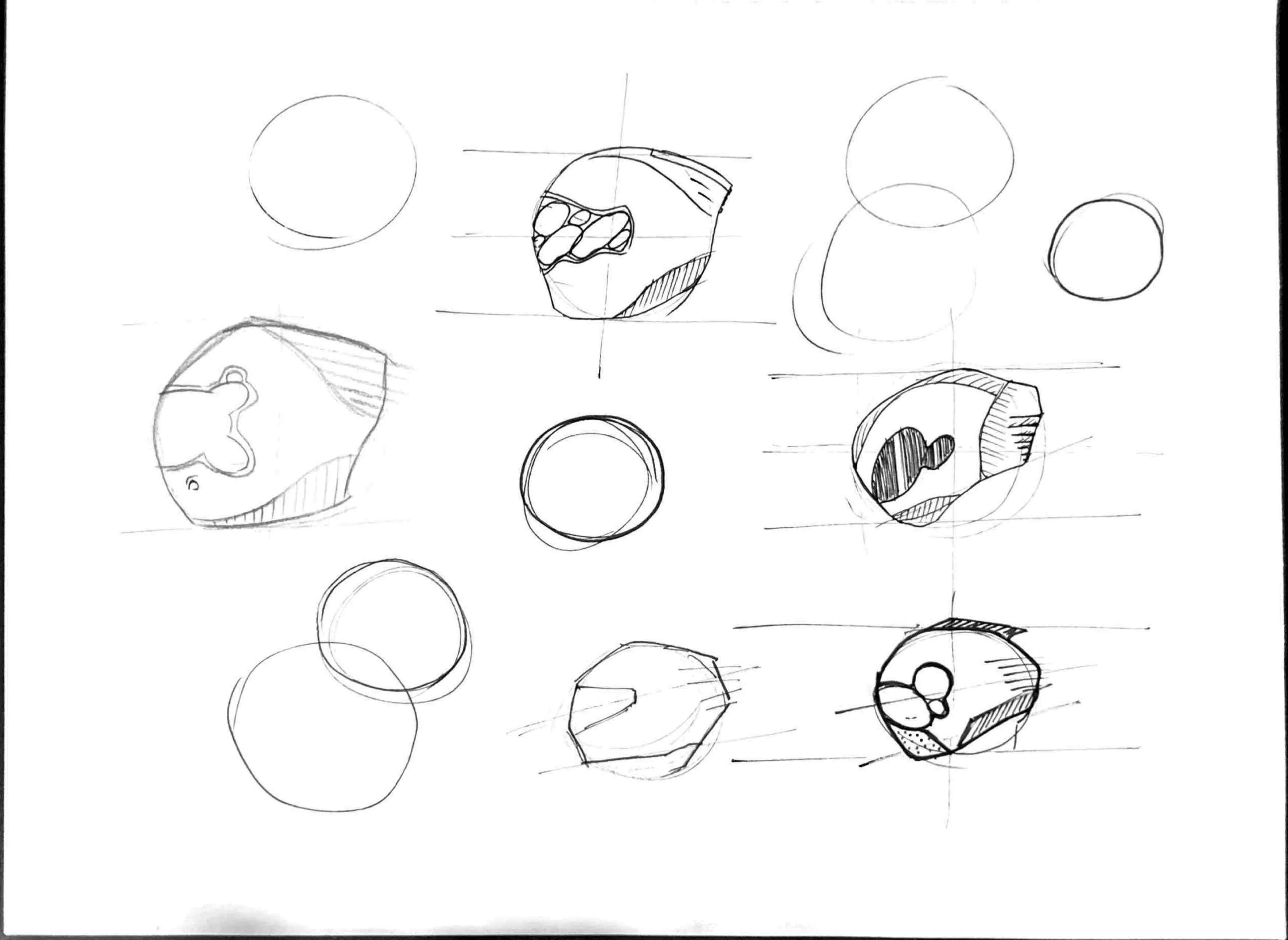
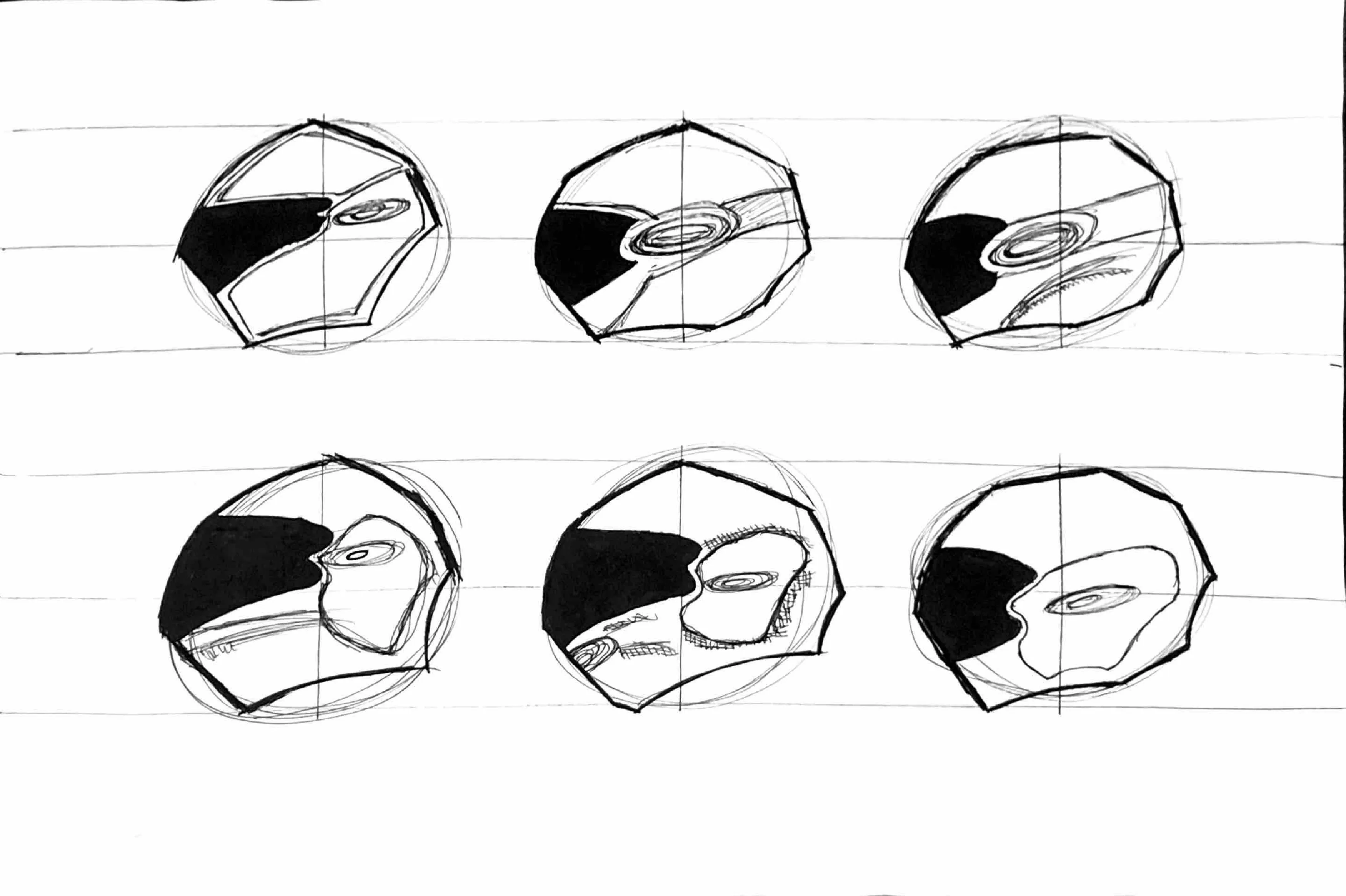
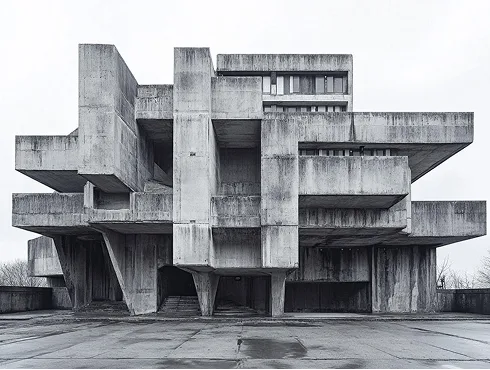
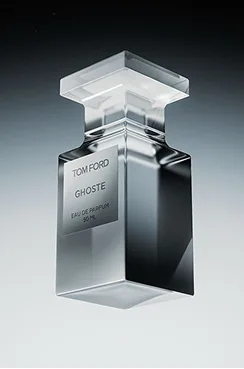
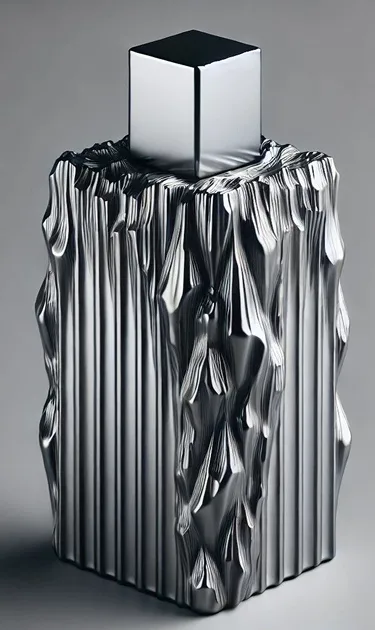
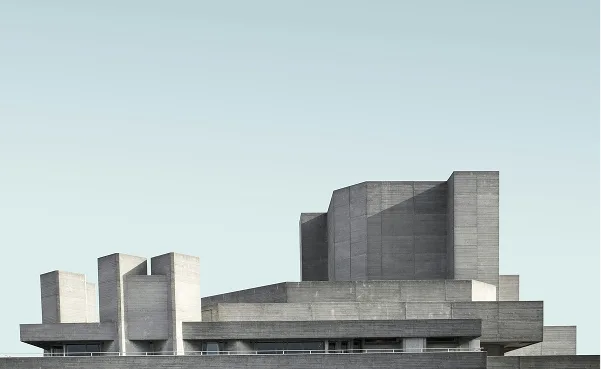
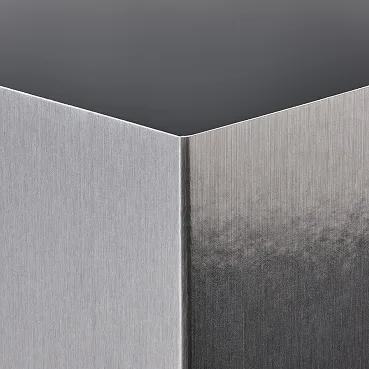
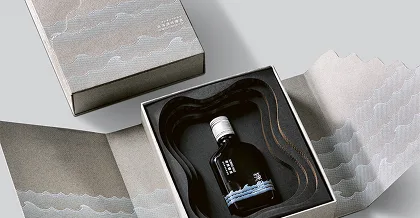
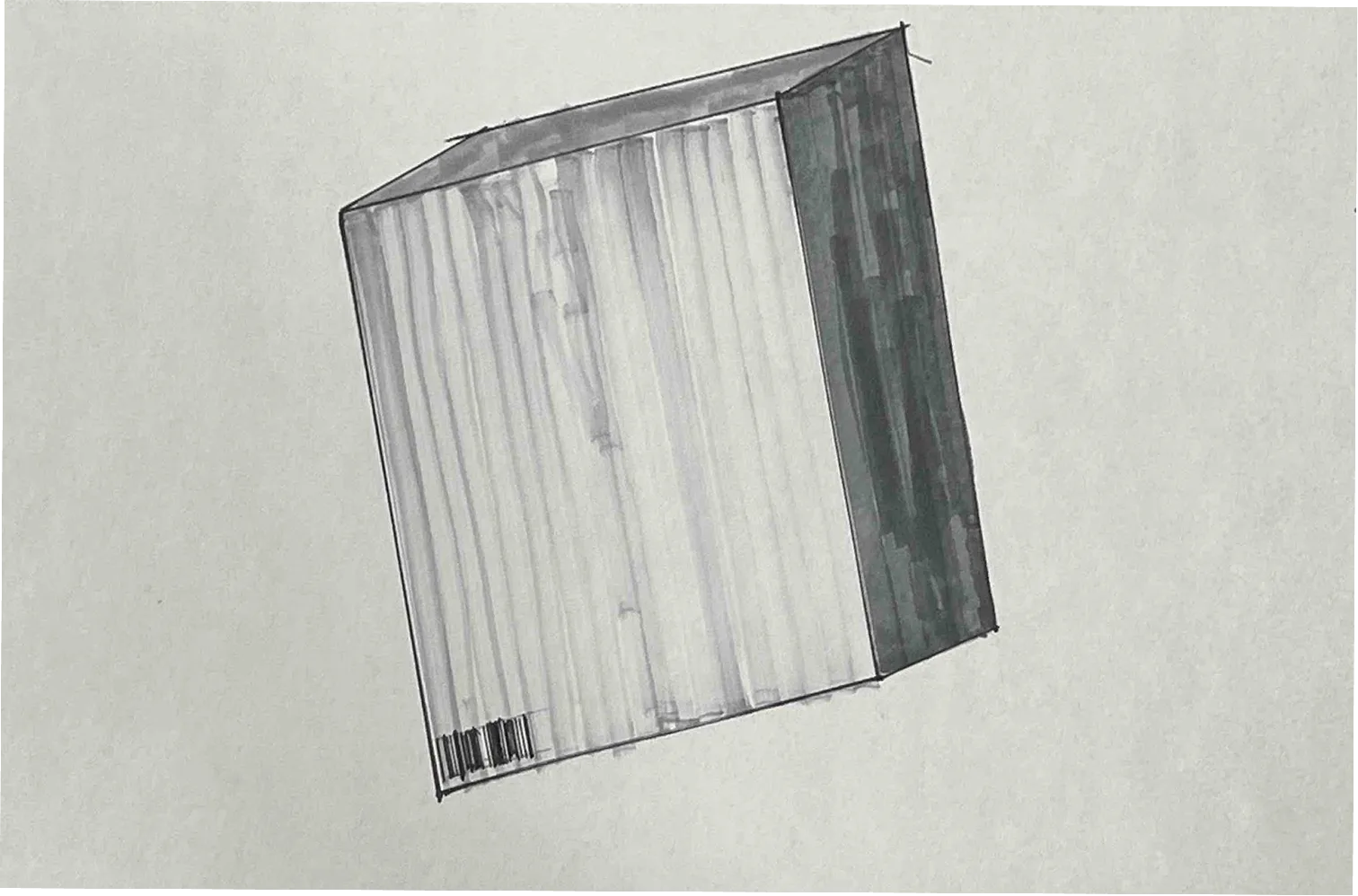
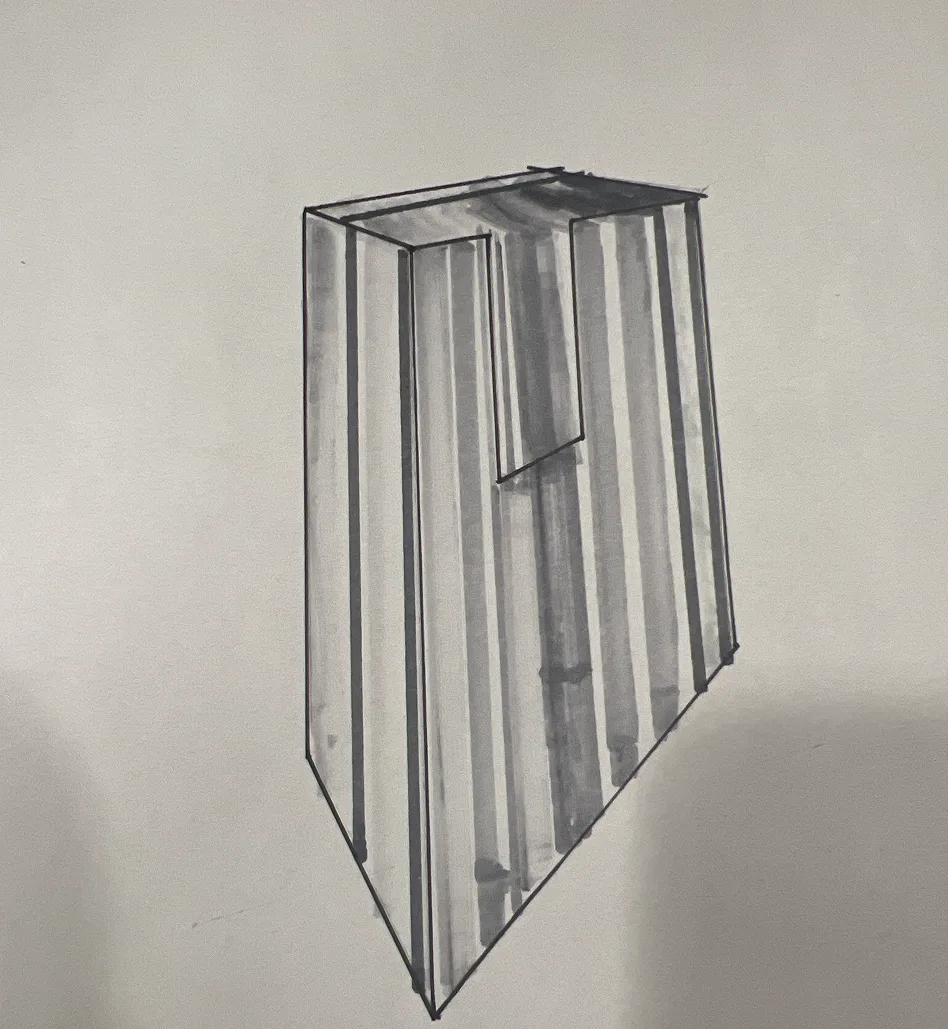
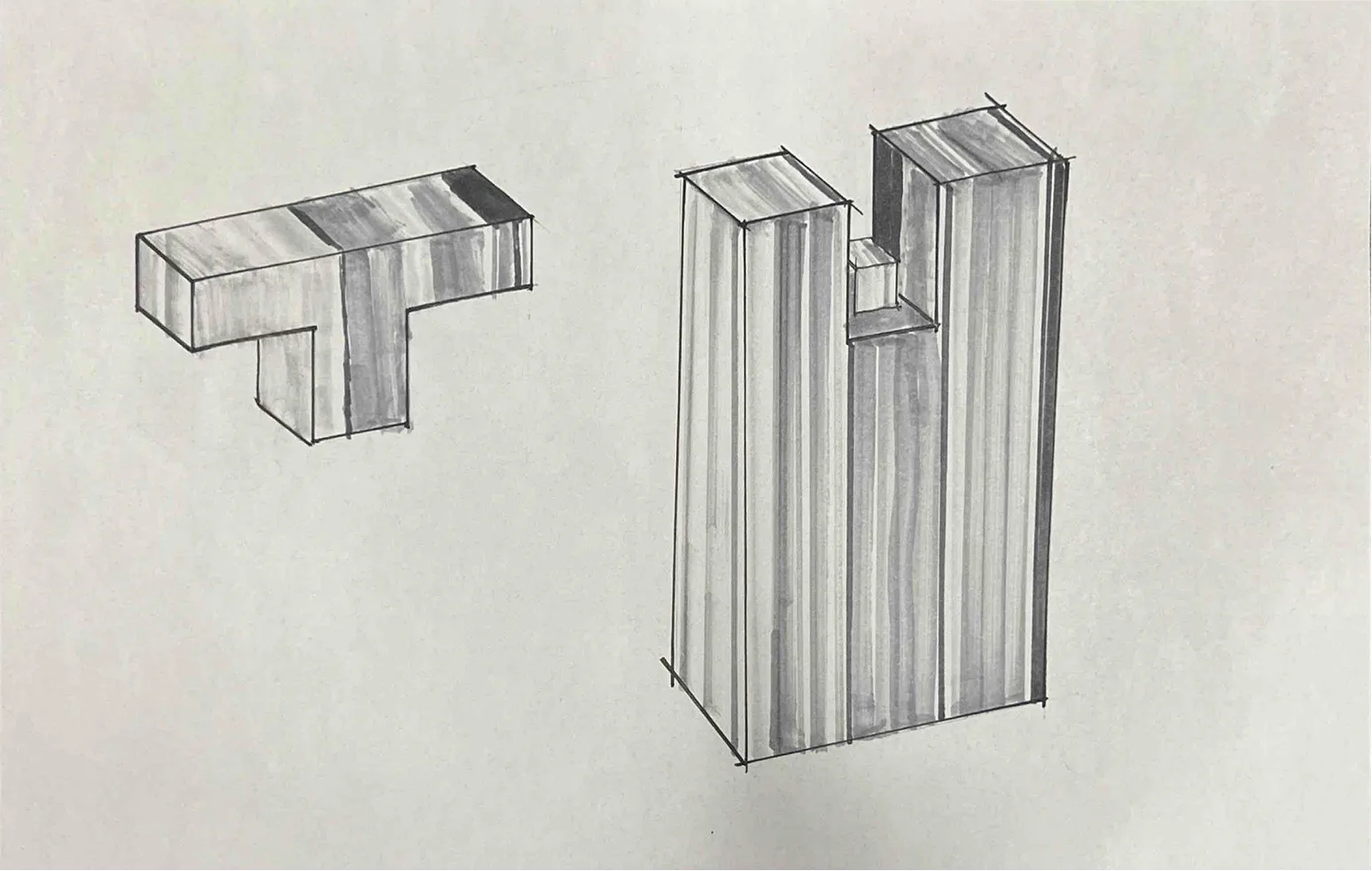
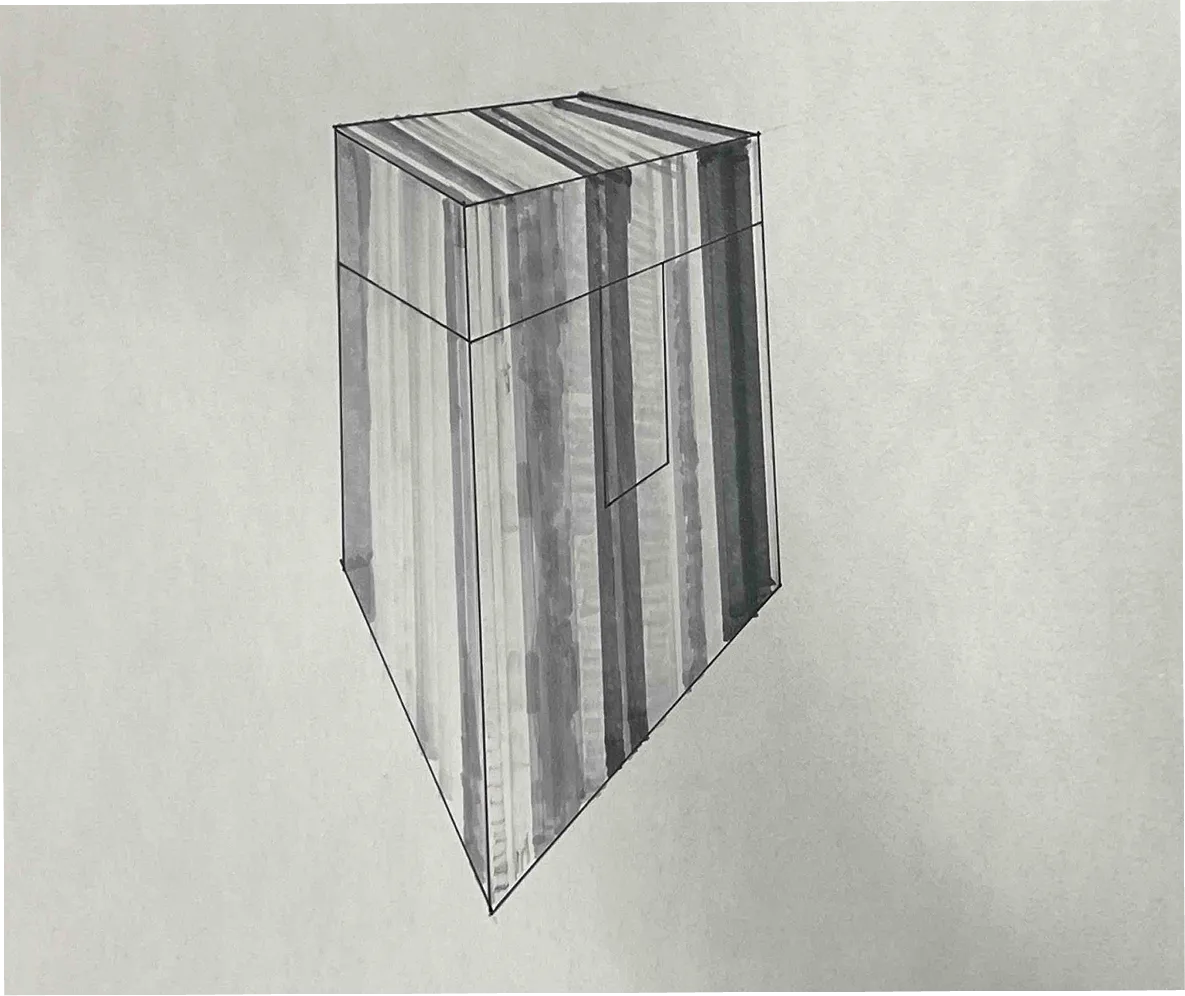
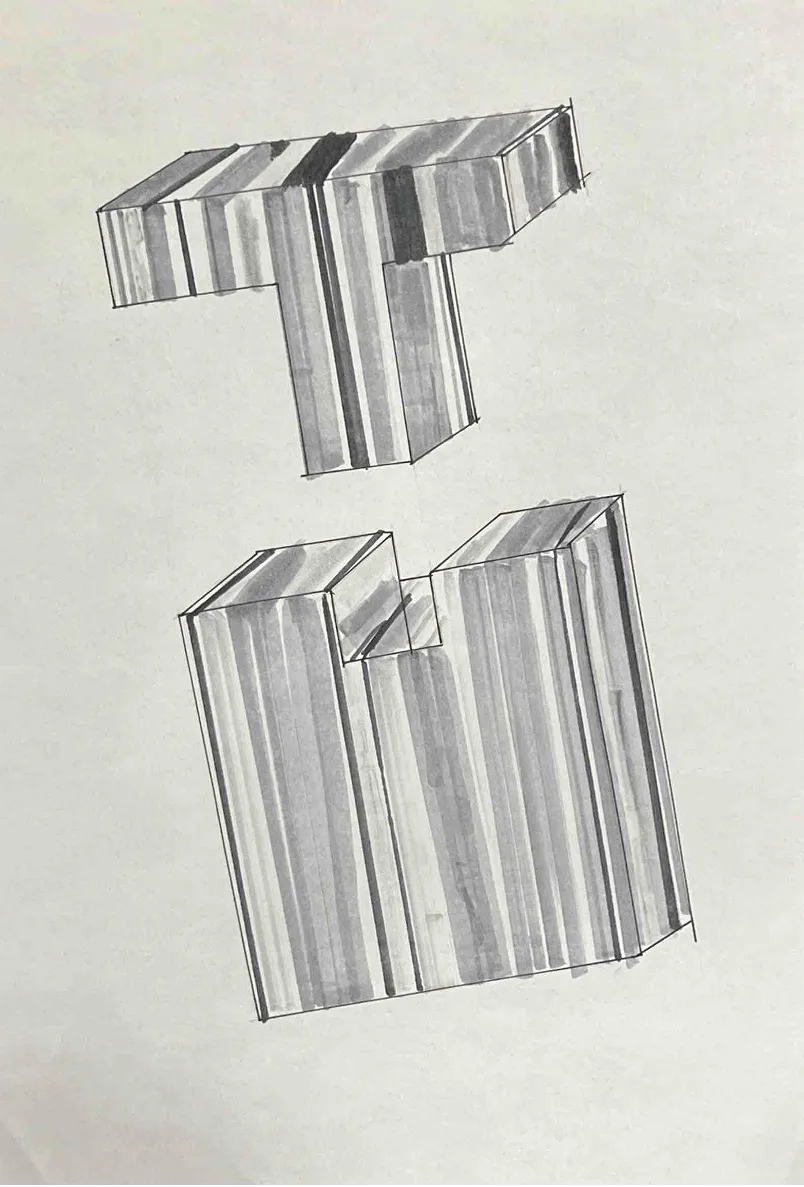
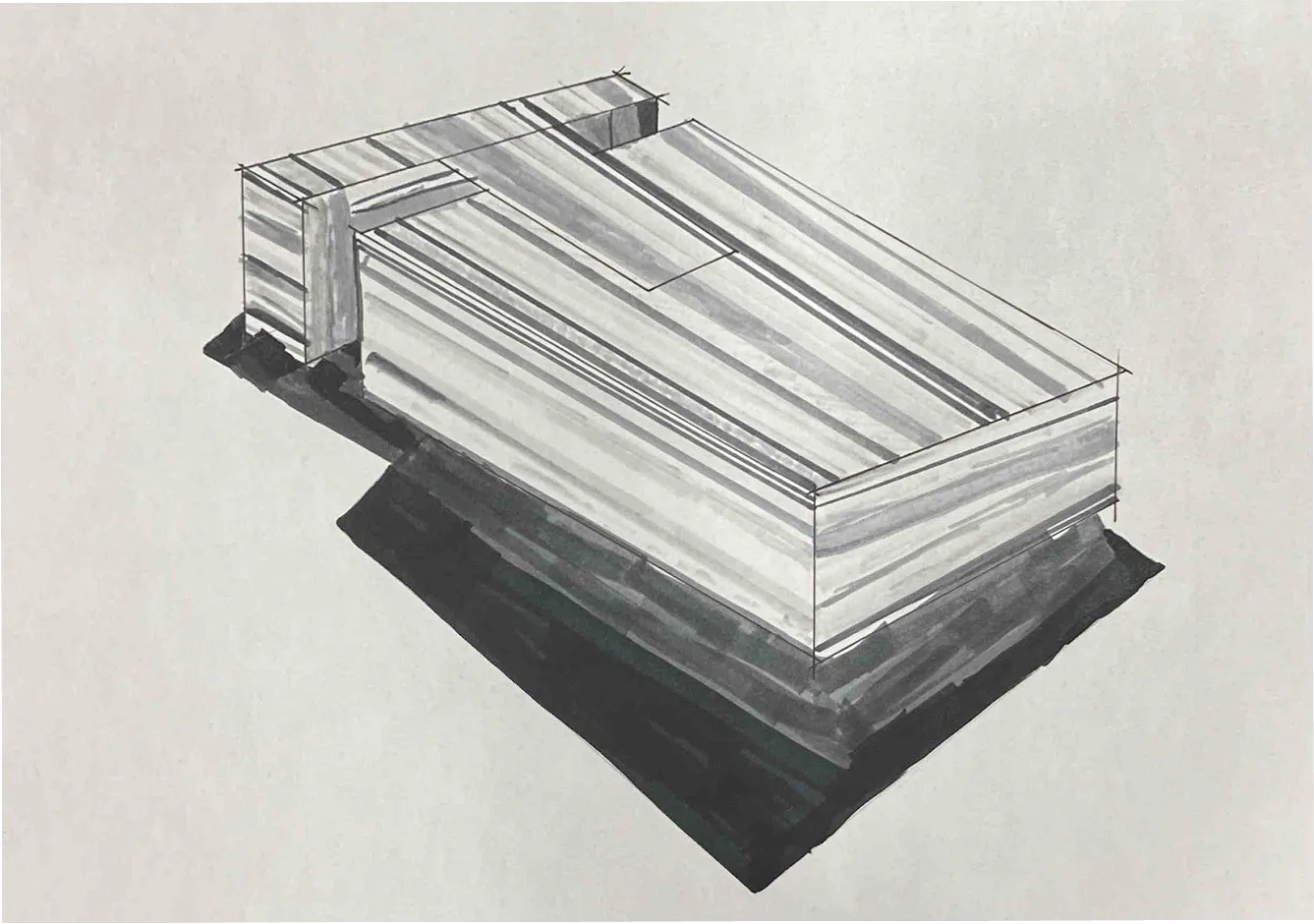
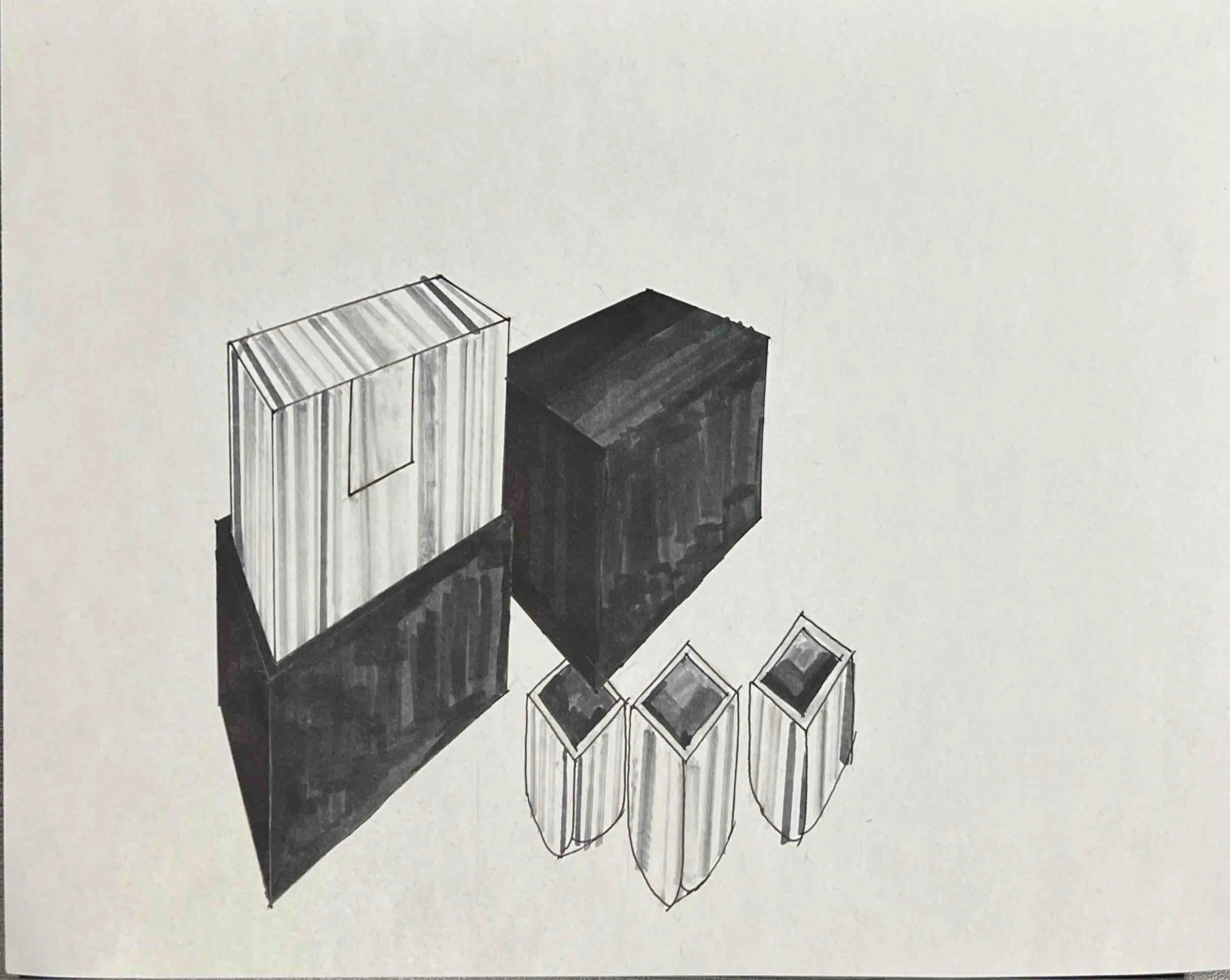
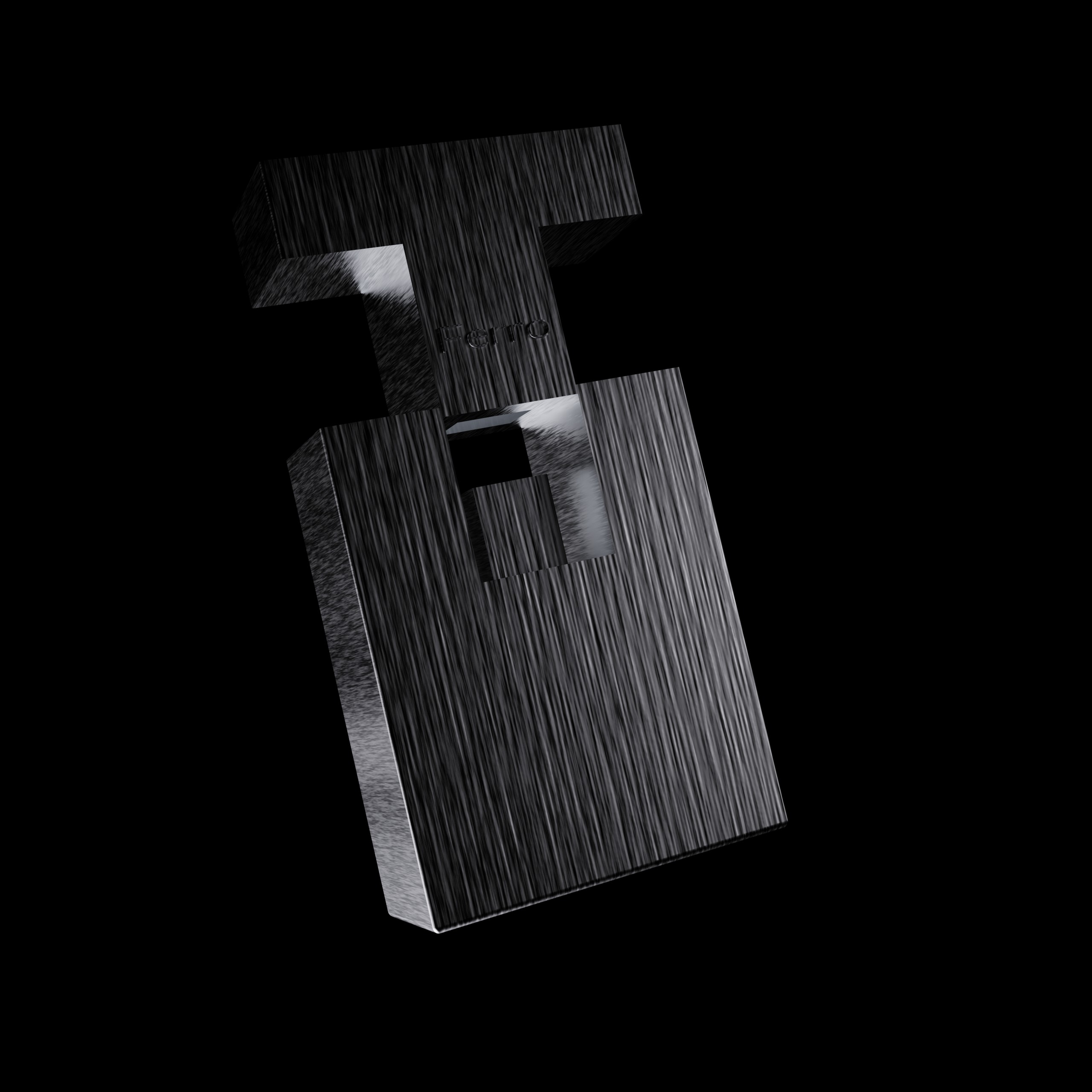
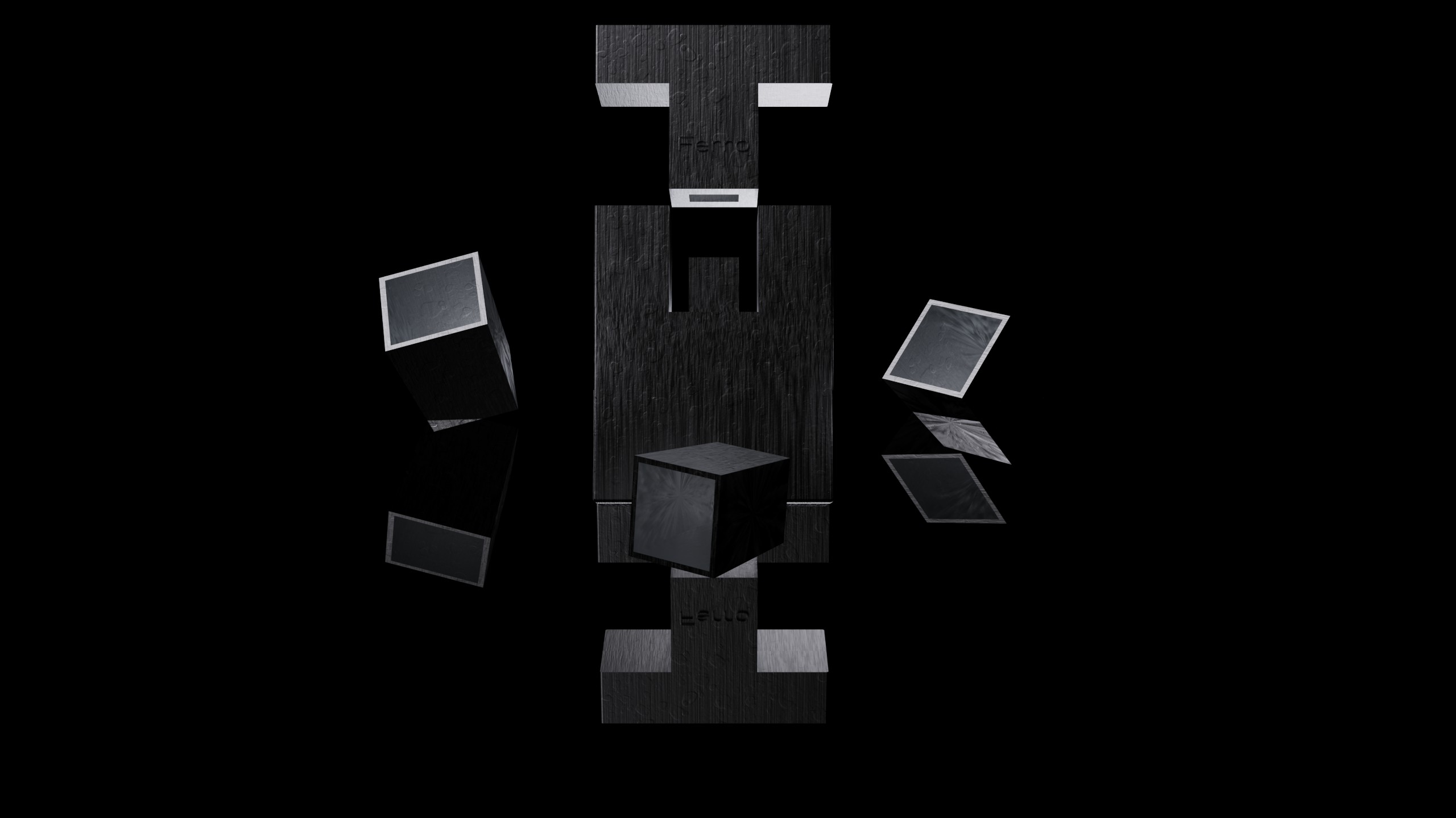
A fantastical class assignment that tasked me with developing a potion for a unique purpose, I found myself drawn to the stark honesty of brutalist design—its raw forms, unembellished structure, and unapologetic clarity. I thought about applying this to my potion through both form and material.

If you are building cool things, lets connect.
I believe design reaches beyond the familiar north star of form follows function. While indispensable, truly great design does not exist solely at the intersection of utility and aesthetics. It begins with rigorous research, the careful uncovering of hidden pain points, and a clear understanding of the broader market landscape.
Great design asks not only how something should work, but why it must exist and who it ultimately serves. It translates human needs, cultural context, and technological possibility into solutions that feel both intuitive and meaningful.
At its best, design becomes nearly invisible—effortless to use, yet deliberate in its impact.
This is what I strive for.